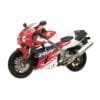

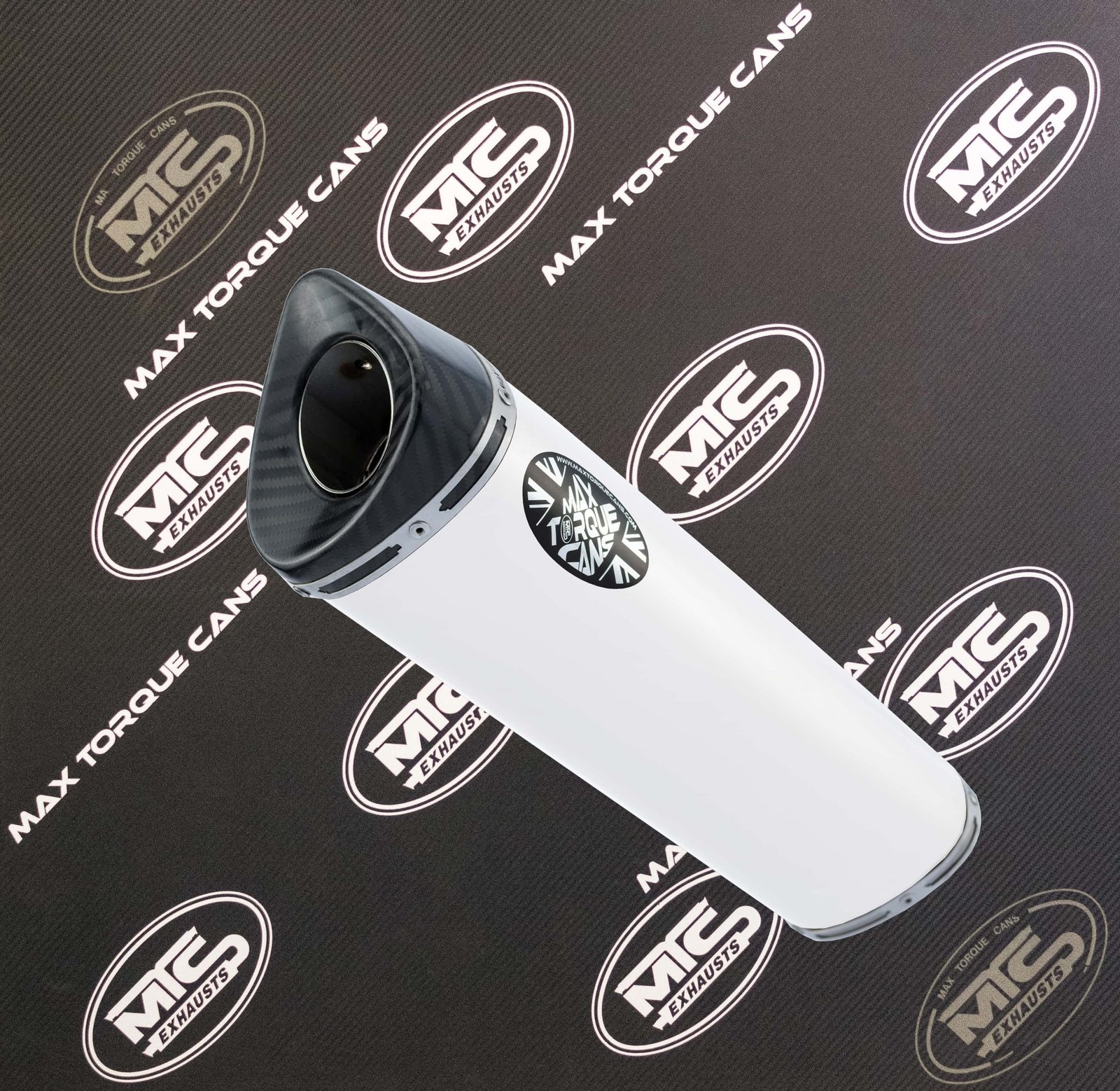
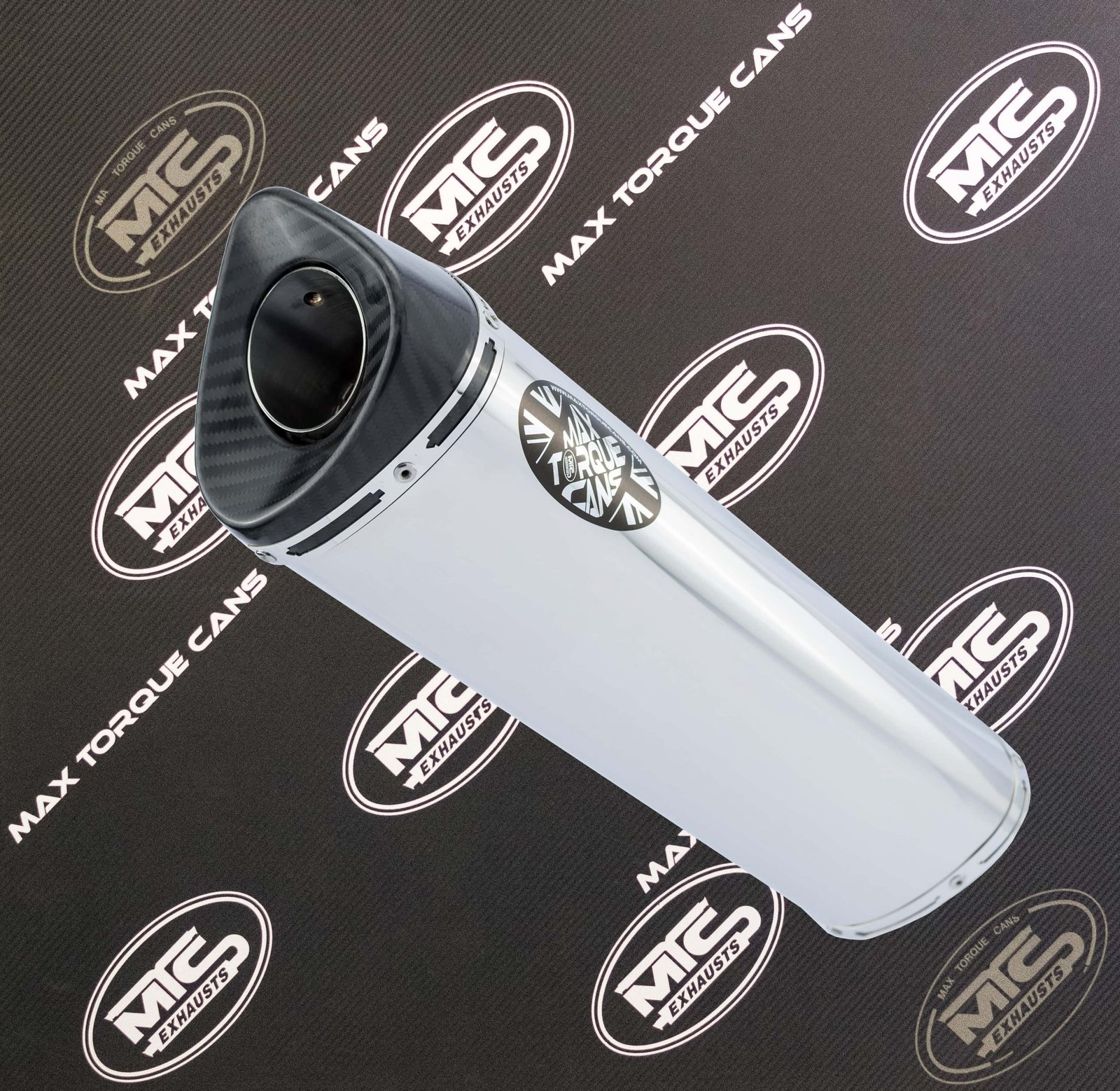
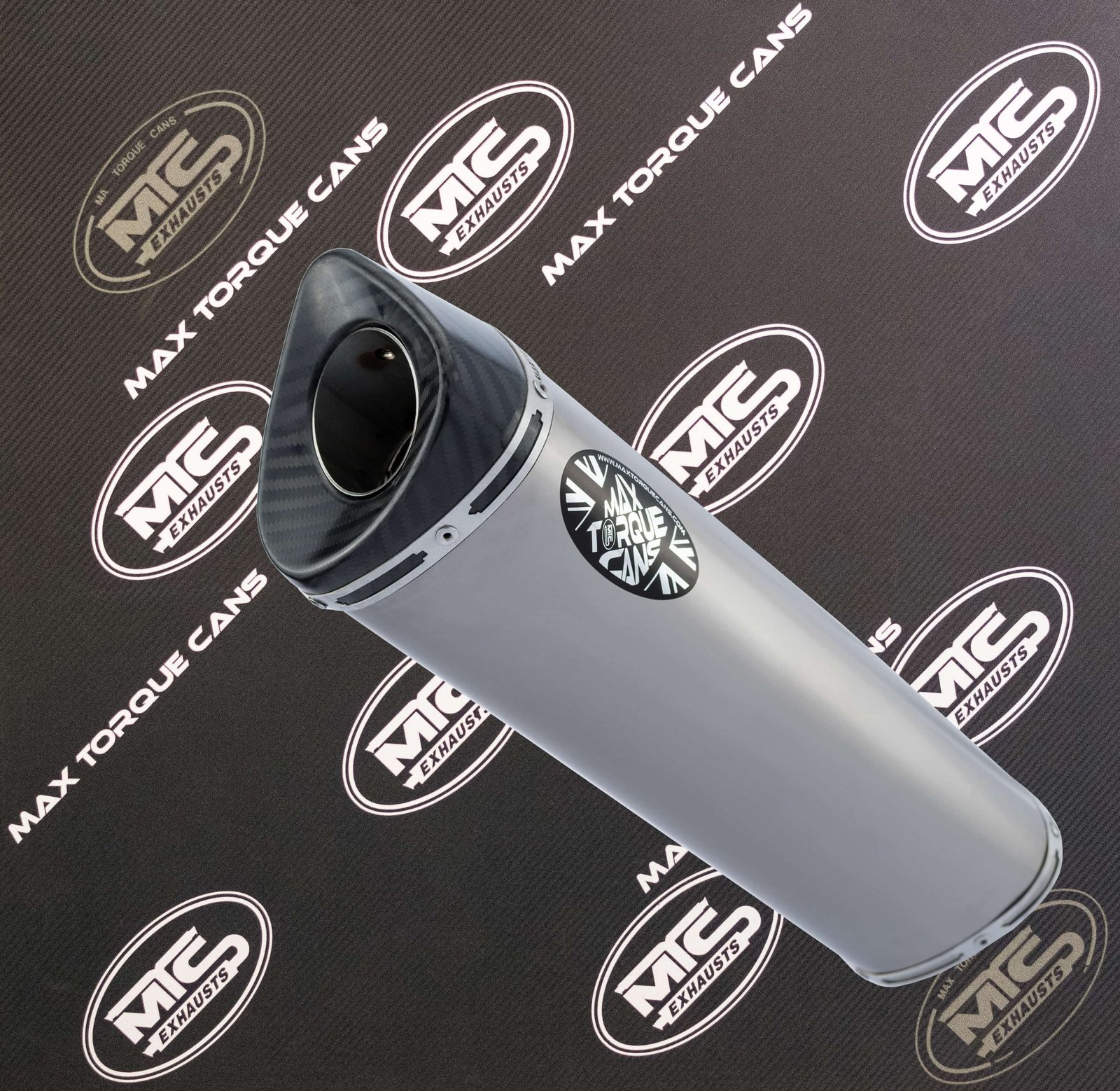

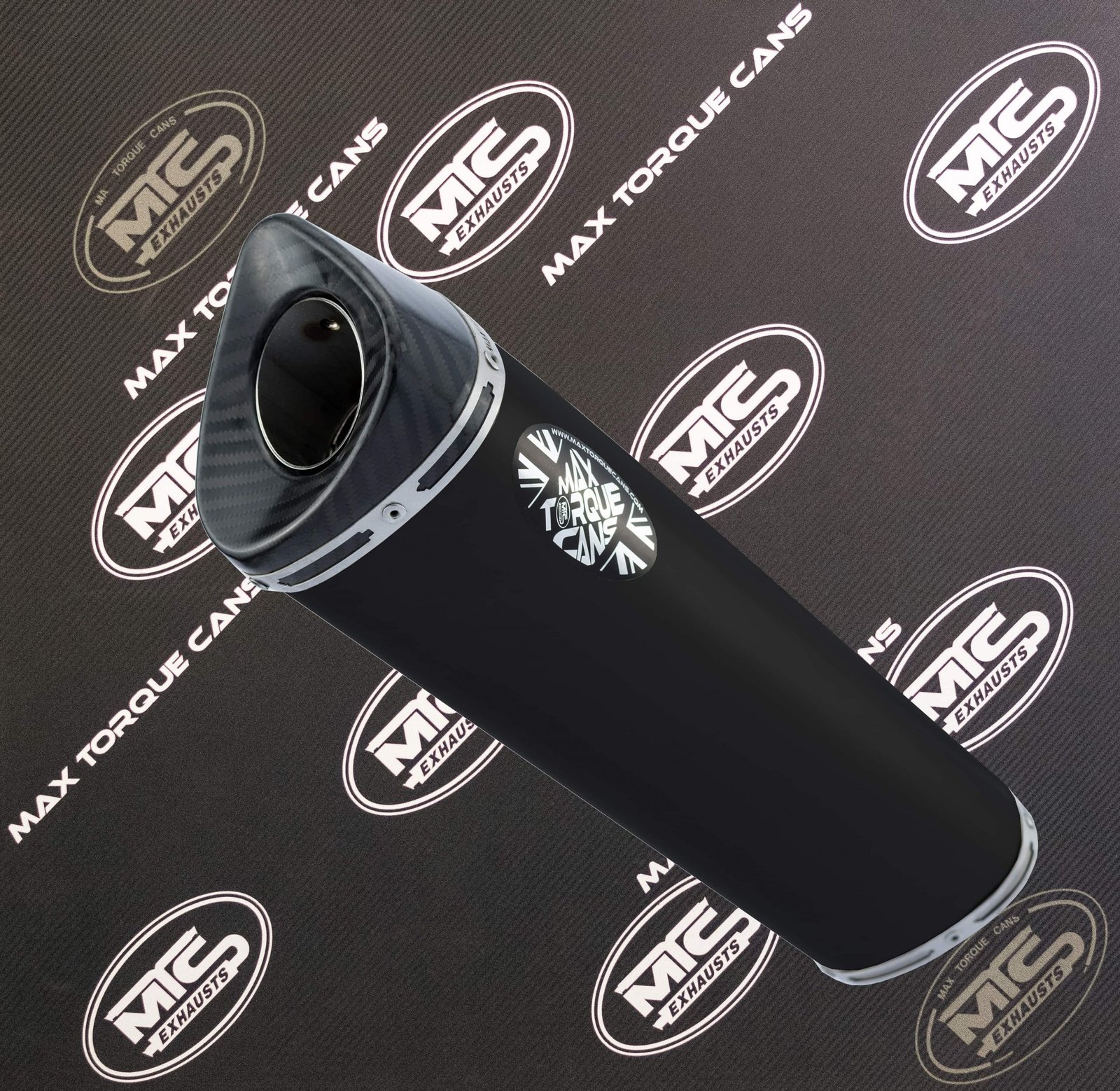







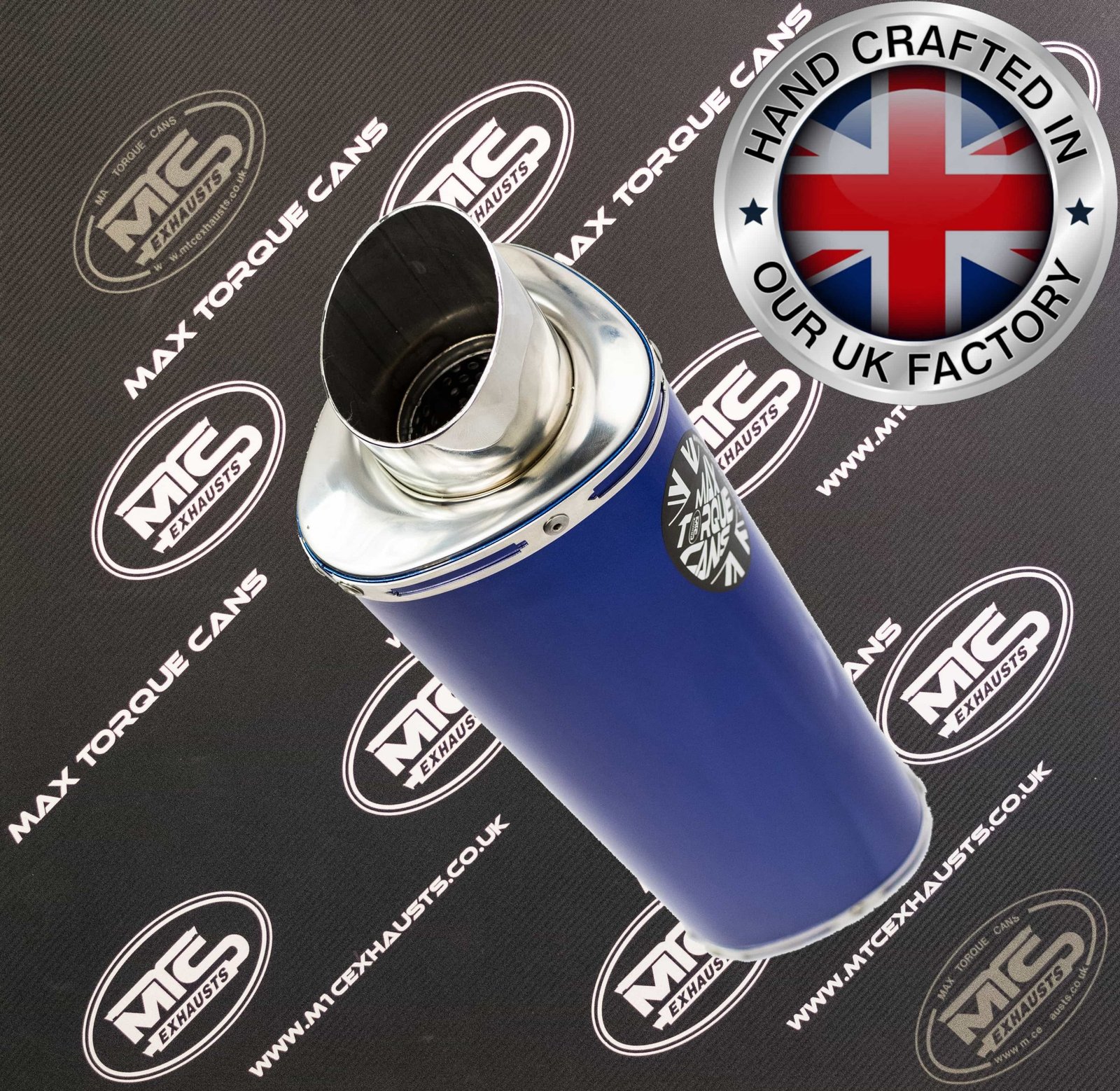
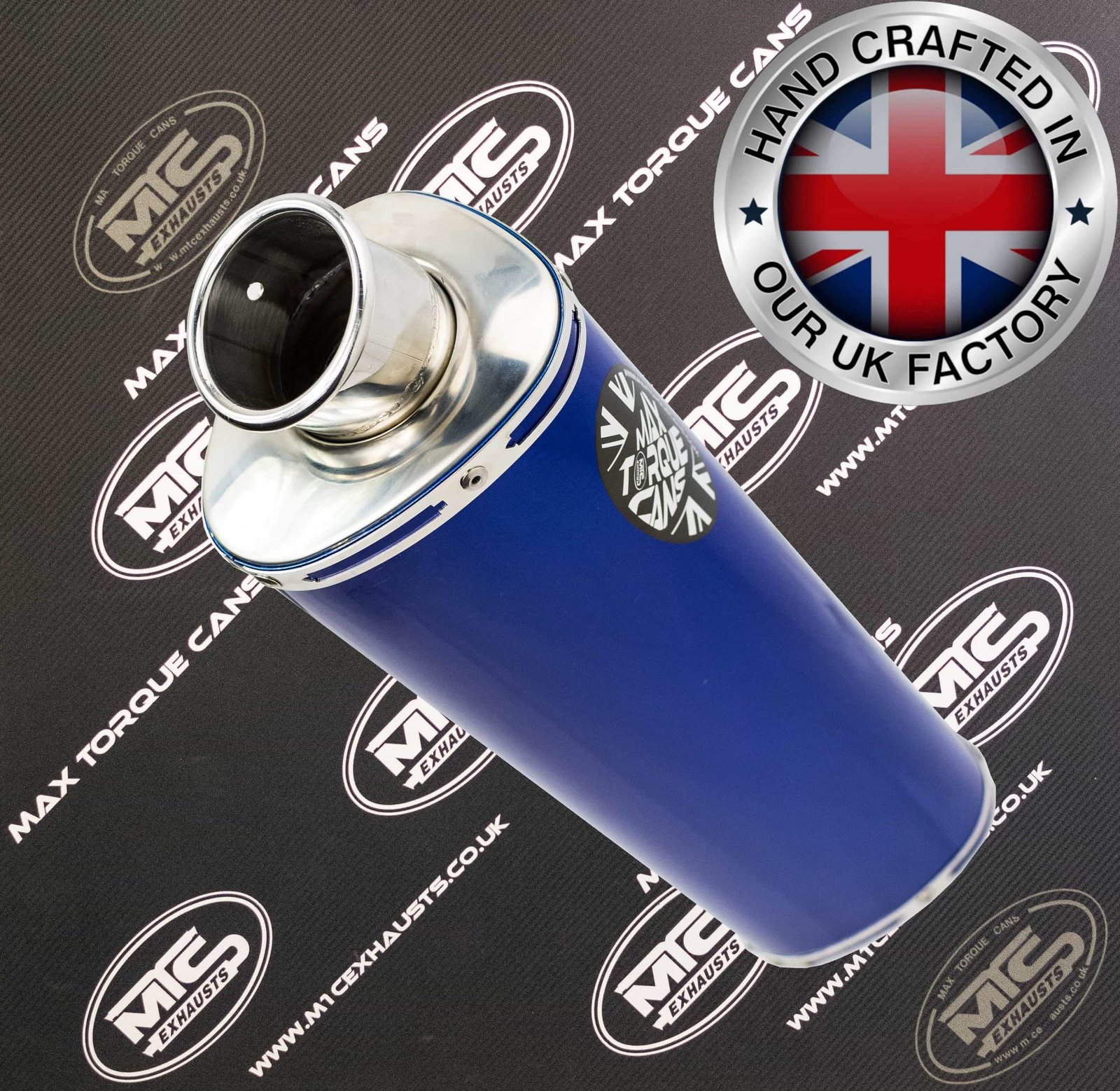


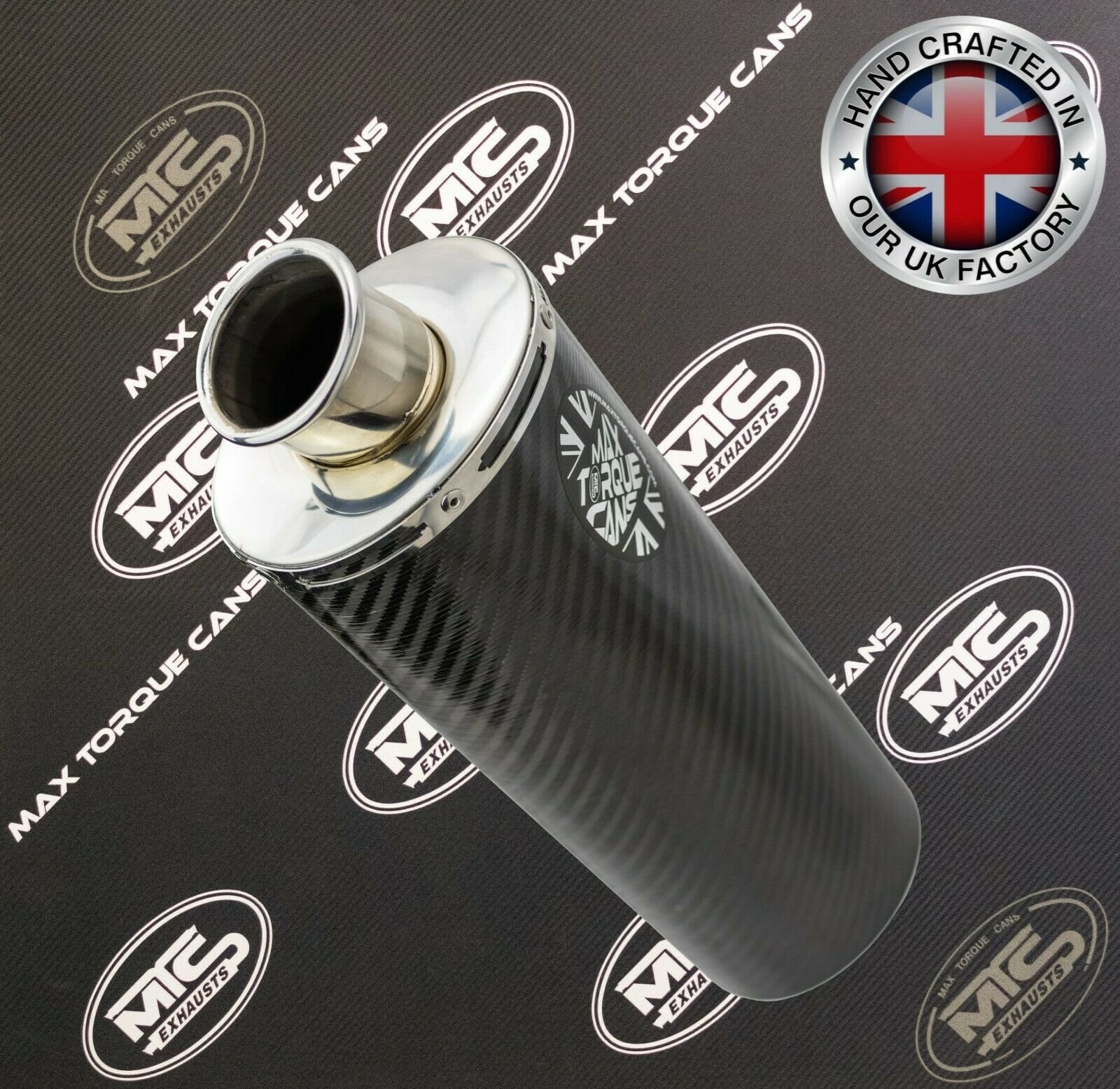


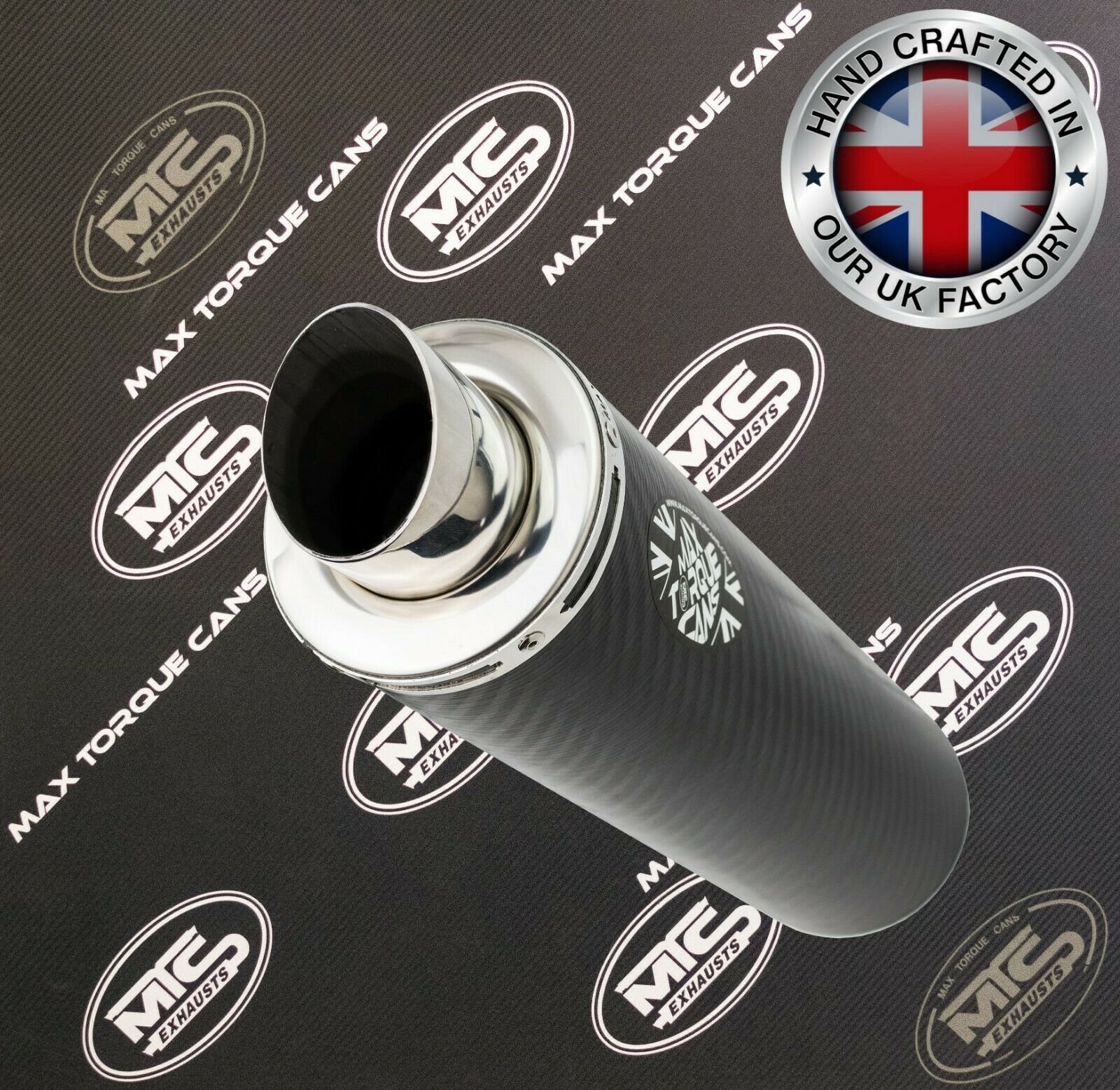









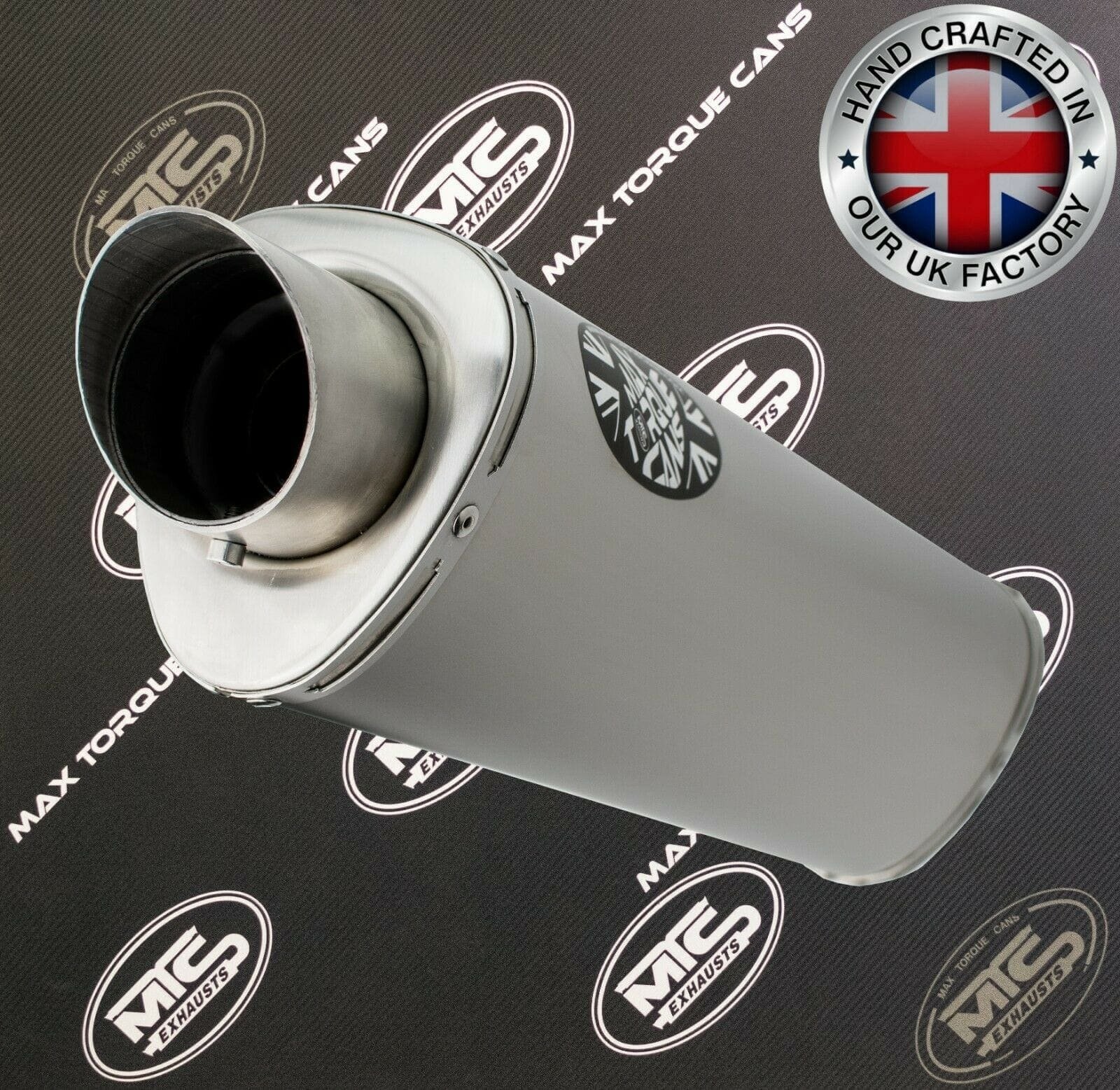
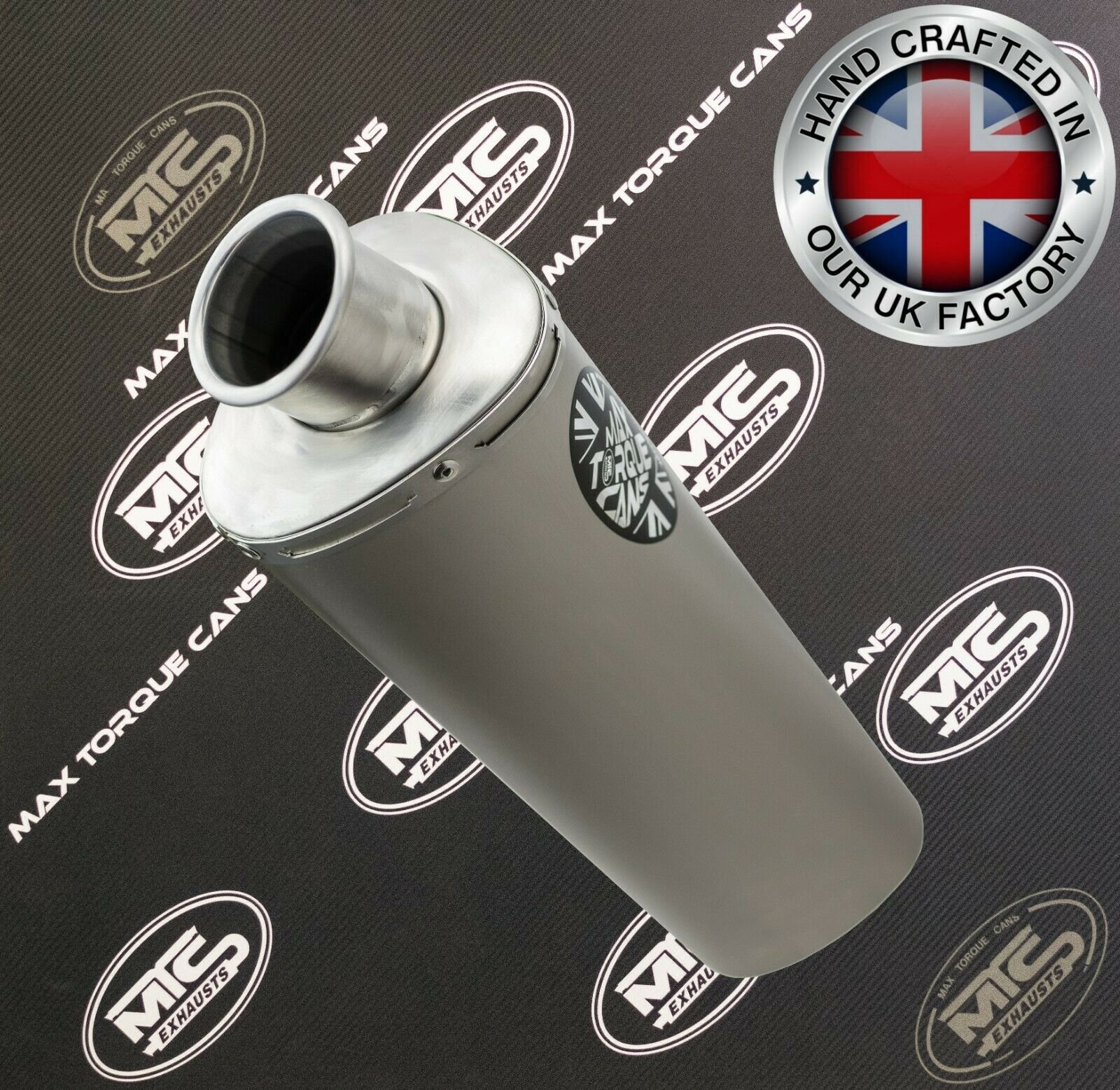


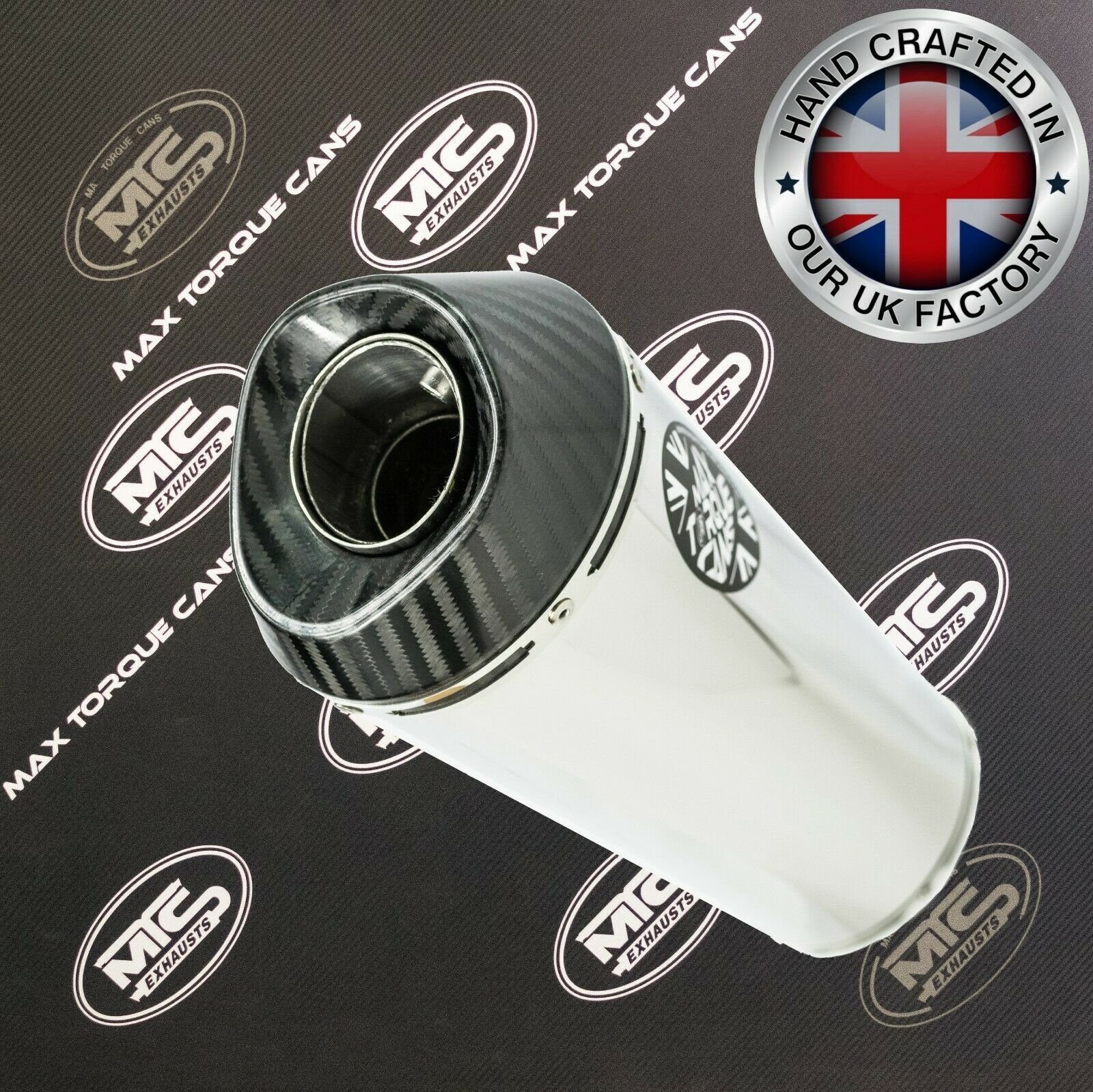


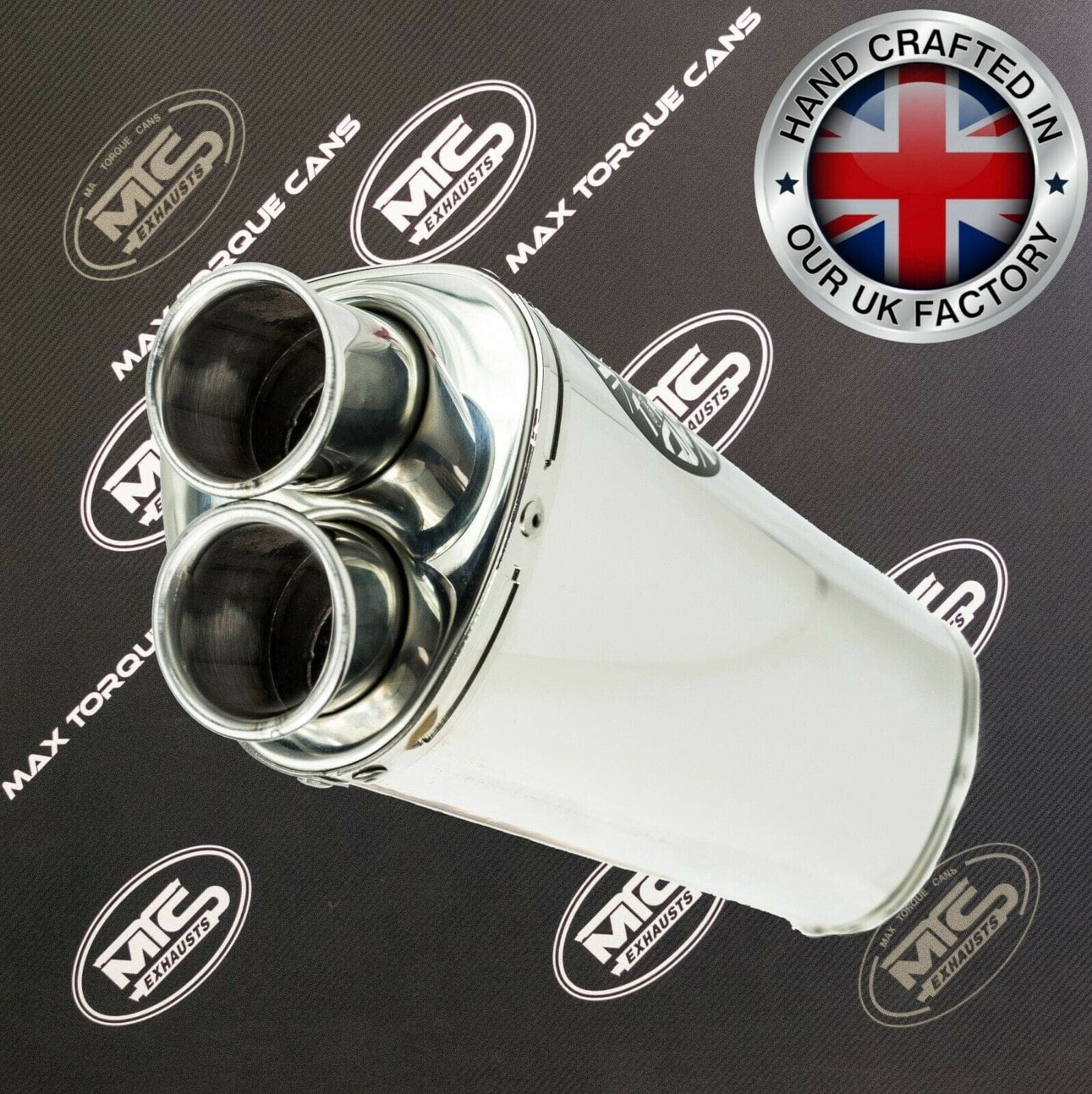



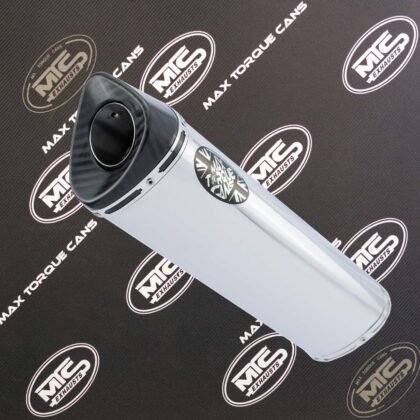


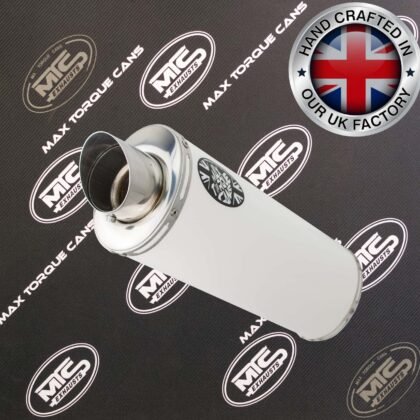
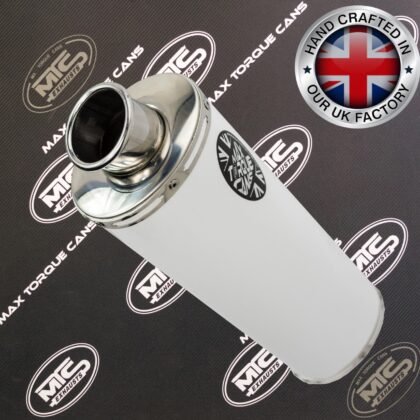

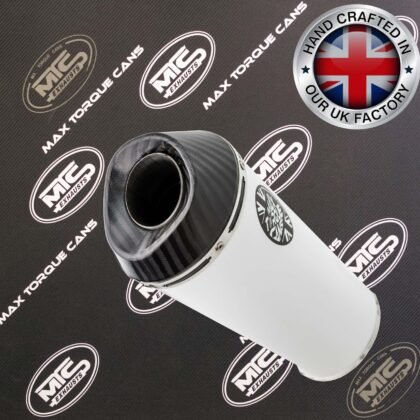








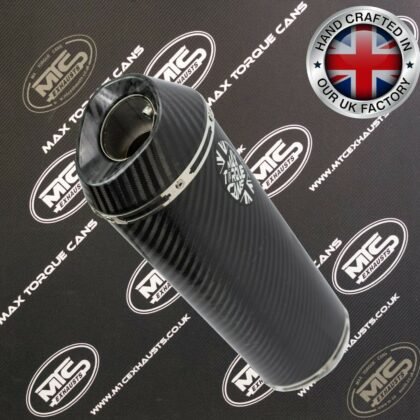
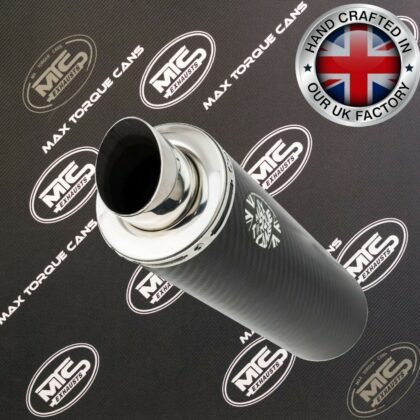

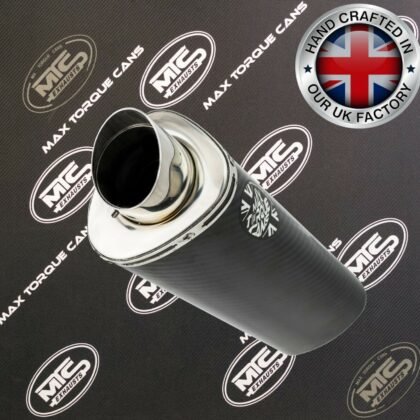
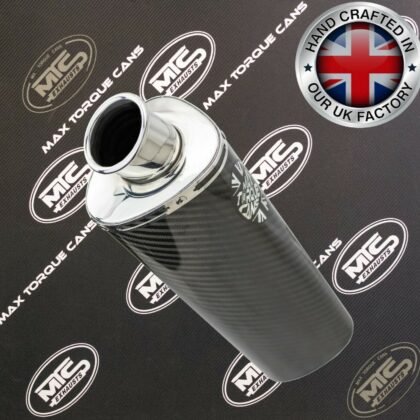













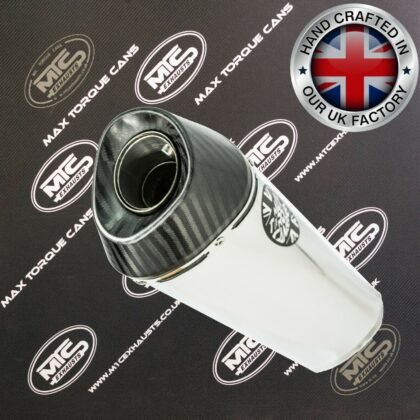
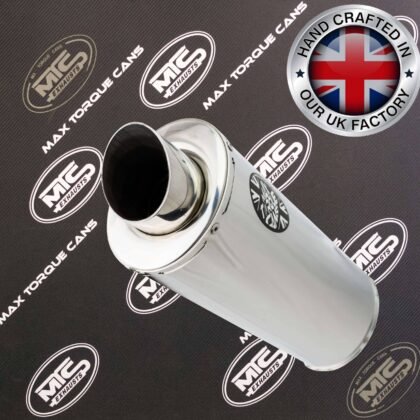
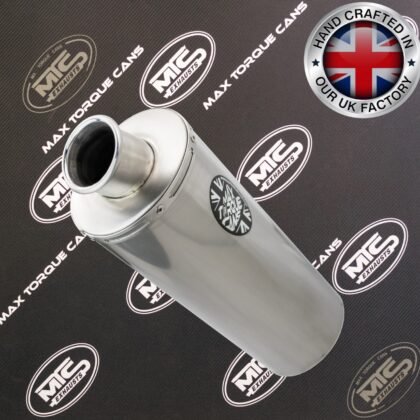

HONDA VFR400-NC30 1989-1993
Price range: £ 137.60 through £ 328.52
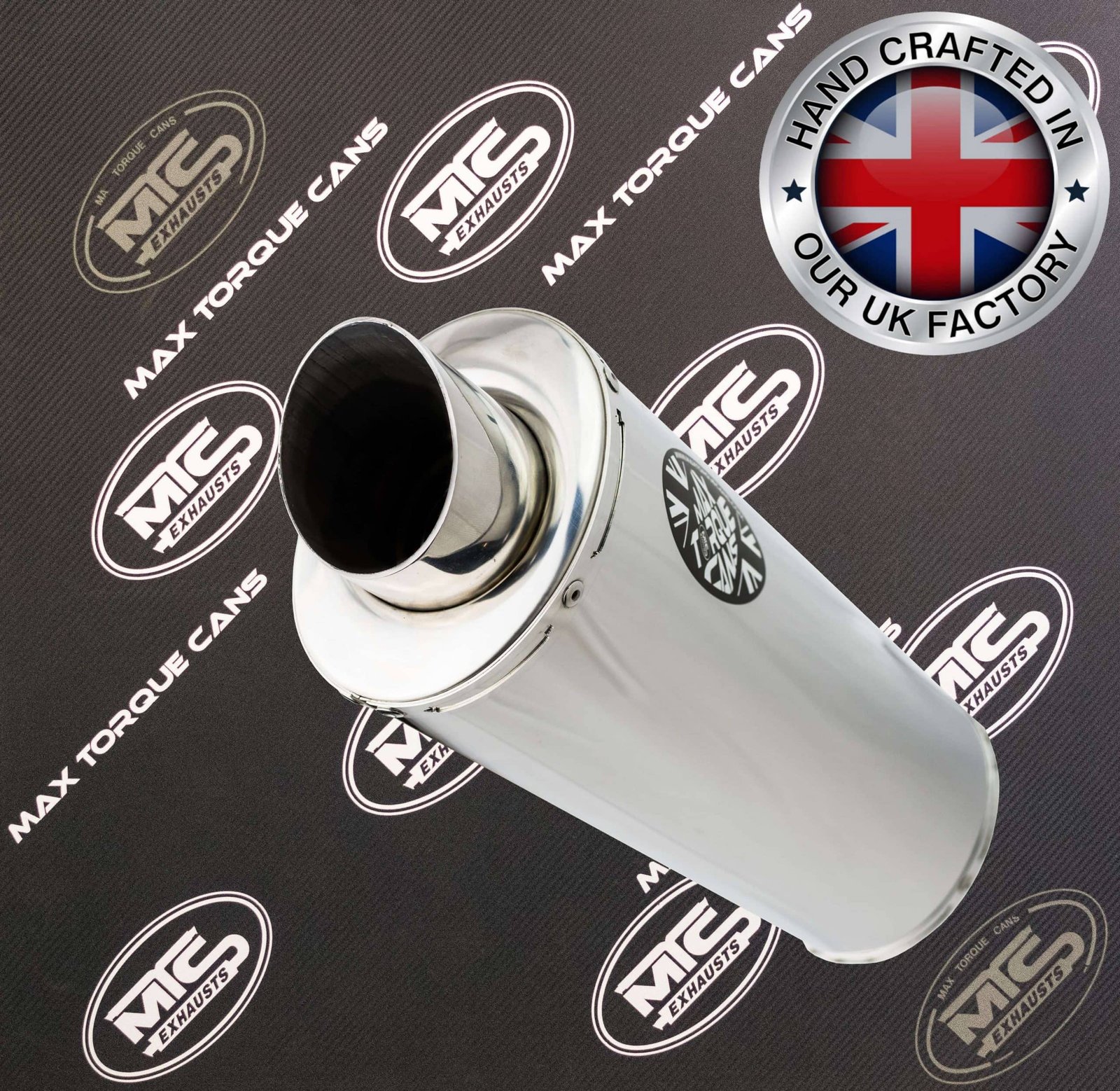
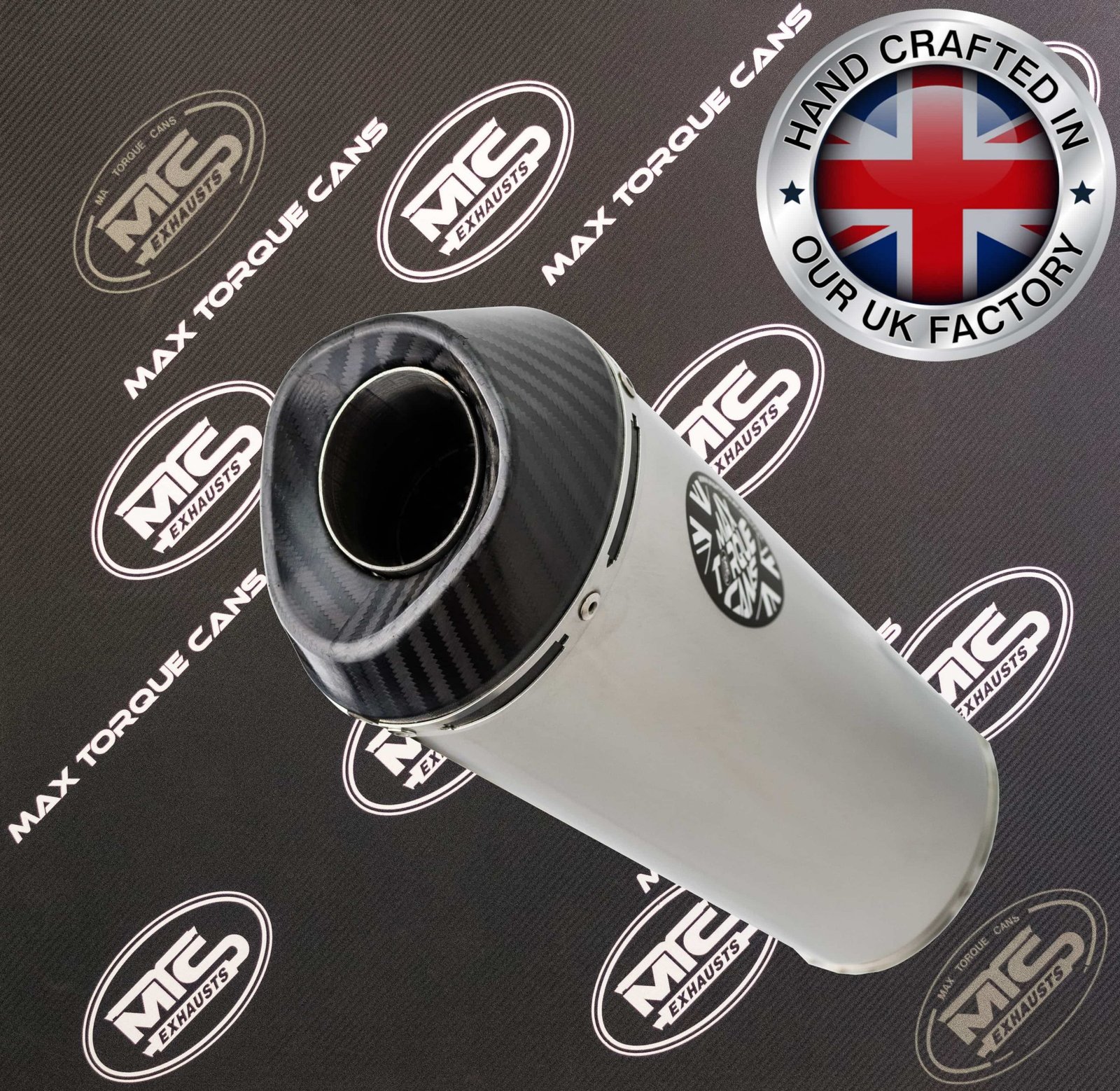
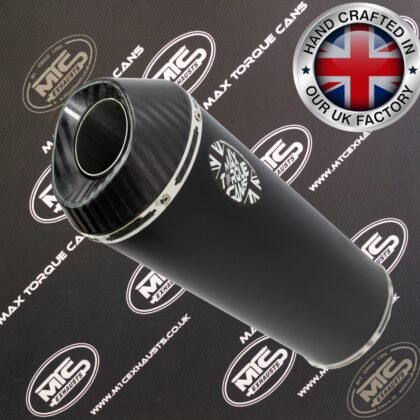
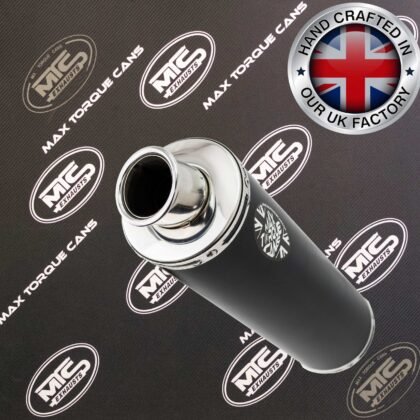
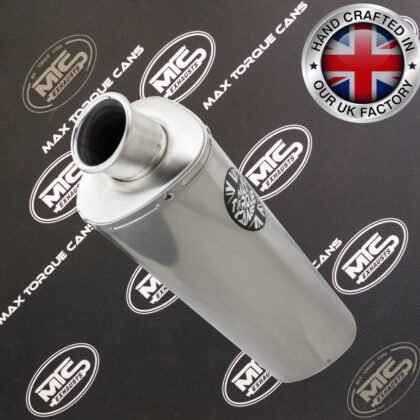
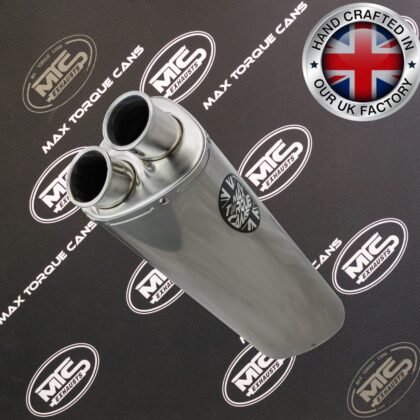
Unlock the full potential of your Honda VFR400-NC30 1989-1993 with our premium exhaust kit. Experience enhanced performance, aggressive sound, and genuine V4 character. The perfect upgrade for riders who demand more from their legendary middleweight machine.
Table of Contents
- Why Upgrade the Exhaust on Your Honda VFR400-NC30 1989-1993?
- What's Included in the Honda VFR400-NC30 1989-1993 Exhaust Kit
- Fitment Details for the Honda VFR400-NC30 1989-1993 Performance Exhaust
- Installation Notes for the Honda VFR400-NC30 1989-1993
- Honda VFR400-NC30 1989-1993 Exhaust — Frequently Asked Questions
- Related Honda Exhaust Upgrades from Max Torque Cans
The honda vfr400-nc30 1989-1993 is widely regarded as one of the most exhilarating and technically accomplished small-capacity V4 motorcycles ever produced, and if you’re fortunate enough to own this legendary machine, you’ll already appreciate just how special it is. At Max Torque Cans, we’ve engineered a purpose-built performance exhaust system specifically for the NC30, delivering the quality upgrade your iconic Honda truly deserves.
Whether you’re meticulously restoring a classic, enjoying spirited weekend rides, or simply aiming to unlock the full potential that Honda’s engineers packed into that sublime compact V4 engine, our exhaust represents the ideal solution for discerning NC30 owners across the UK.
Why Upgrade the Exhaust on Your Honda VFR400-NC30 1989-1993?
The original factory silencer fitted to the honda vfr400-nc30 1989-1993 performed adequately when the bike left the showroom floor three decades ago, but after more than thirty years of service, the vast majority of those original cans are now corroded, damaged, or simply well past their prime. Even fitting a brand-new OEM replacement won’t deliver the performance gains, weight savings, or the stirring V4 soundtrack that a carefully designed aftermarket exhaust can provide.
Our stainless steel performance exhaust is built to withstand decades of British weather, looks absolutely superb, and genuinely liberates the NC30’s legendary V4 powerplant.
Upgrading the exhaust on your honda vfr400-nc30 isn’t purely an aesthetic exercise, either. By reducing exhaust back pressure through a precision mandrel-bent link pipe, you allow the engine to breathe far more freely, which translates directly into crisper throttle response and a more involving, rewarding riding experience right across the rev range. For a motorcycle as mechanically brilliant and finely engineered as the NC30, that improvement becomes immediately noticeable the moment you twist the throttle.
What’s Included in the Honda VFR400-NC30 1989-1993 Exhaust Kit
We’ve ensured this comprehensive kit contains absolutely everything required to complete the installation cleanly and confidently, without needing to source any additional components separately. Here’s precisely what you’ll discover inside the box when your order arrives:
- 1 x Stainless 304 CNC Mandrel Bent Link Pipe — precision-formed to guarantee a perfect OEM-matching fit to your standard downpipes
- 1 x Stainless Exhaust Strap — robust, highly corrosion-resistant, and engineered for long-term durability in all conditions
- 1 x Exhaust Strap Rubber — cushions the silencer mounting point and effectively reduces vibration transfer to the frame
The centrepiece of this kit is undoubtedly the stainless 304 CNC mandrel bent link pipe. Unlike inferior crush-bent pipework commonly found on budget exhausts, mandrel bending maintains a consistent internal diameter throughout every single curve and bend, meaning exhaust gases flow smoothly and efficiently without restriction or turbulence. This is the correct, professional way to fabricate performance exhaust pipework, and the difference is evident in both the finished product’s appearance and its real-world performance.
The stainless 304 grade material also ensures this link pipe will successfully resist the intense heat, persistent moisture, and corrosive road salt that are an unfortunate reality of motorcycling in the UK climate.
Fitment Details for the Honda VFR400-NC30 1989-1993 Performance Exhaust
This exhaust system has been specifically designed, tested, and manufactured to fit the honda vfr400-nc30 1989-1993 directly onto the standard OEM downpipes without modification. There is absolutely no requirement to alter the existing headers or any other component of the motorcycle’s original exhaust arrangement. The link pipe connects precisely where the factory pipework terminates, making this a straightforward like-for-like replacement in terms of mounting points and fitment geometry.
The included exhaust strap and rubber buffer are supplied to ensure a clean, secure, rattle-free installation that will last for years. The rubber buffer positioned between the strap and the silencer body absorbs vibration and prevents metal-on-metal contact, which is a crucial detail for protecting the finish over time and preventing unwanted noise.
When fitted correctly following our guidance, the completed installation looks purposeful, factory-quality, and beautifully tidy — exactly what you’d expect on a motorcycle as visually refined and tasteful as the NC30.
It’s worth emphasising that the honda vfr400-nc30 1989-1993 designation covers the complete production run of the NC30 generation from 1989 right through to 1993, so whether your bike is an early-build first-year model or a later final-year example, this exhaust is definitively the correct choice for your machine.
Installation Notes for the Honda VFR400-NC30 1989-1993
Fitting the exhaust to your honda vfr400-nc30 1989-1993 is an entirely manageable task for anyone with basic mechanical confidence and the appropriate tools. We always recommend adhering to the following best practices to ensure a clean, safe, and long-lasting result:
- Allow the engine to cool completely before commencing any work on the exhaust system. The NC30’s V4 engine retains heat for a surprisingly long time, so give it plenty of time after your last ride before starting work.
- Apply penetrating fluid to all existing fixings well in advance of beginning the job. After years of heat cycling, original fasteners on a 1989-1993 Honda can prove stubbornly reluctant to move without a little chemical persuasion.
- Carefully inspect all mounting points on the downpipes and frame brackets before commencing fitment. If there’s any significant corrosion or damage to the OEM pipework, address it first to ensure a solid, leak-free seal at the junction.
- Torque all fasteners to the manufacturer’s recommended specifications and recheck them after the first few heat cycles. As the new pipework expands and contracts during initial use, fasteners can occasionally work slightly loose.
- Dispose of your old silencer responsibly — most local recycling centres gladly accept scrap metal and will handle it appropriately.
We maintain a comprehensive installation video library on our YouTube channel, allowing you to watch the entire process before you begin working on your own bike. There’s also a detailed Flickr album showcasing high-resolution photographs of the finished installation on the honda vfr400-nc30, which proves particularly useful for understanding exactly how the link pipe sits relative to the frame, footpeg hangers, and other nearby components.
Honda VFR400-NC30 1989-1993 Exhaust — Frequently Asked Questions
Will this exhaust fit both early and late NC30 models?
Absolutely. This exhaust is engineered to cover the entire honda vfr400-nc30 1989-1993 production run comprehensively. Whether your bike is a 1989 first-year model or a 1993 final-year example, the link pipe is manufactured to precisely match the OEM downpipe specification Honda used consistently throughout the NC30 generation.
Do I need to rejet the carburettors after fitting this exhaust?
Many riders successfully fit this exhaust to their honda vfr400-nc30 1989-1993 without making any carburettor changes whatsoever and report excellent results. However, if you’re determined to extract the absolute maximum performance from the upgrade, a thorough carburettor clean and minor jet adjustment to suit the slightly freer-flowing setup can prove worthwhile. We’d suggest consulting a Honda specialist or experienced motorcycle tuner if you’re uncertain about carburetion modifications.
What material is the link pipe constructed from?
The link pipe supplied with this comprehensive kit is expertly fabricated from stainless 304 grade steel, which offers outstanding resistance to both intense heat and corrosion. It’s precisely the same quality of material we use throughout our entire exhaust range and is entirely appropriate for the demanding environment of a motorcycle exhaust application.
Is this exhaust road legal in the UK?
Please check current UK noise and emissions regulations relevant to your intended use and your specific vehicle’s MOT requirements. For detailed guidance on motorcycle exhaust regulations, the Driver and Vehicle Standards Agency provides comprehensive information. If you have any specific questions about the suitability of this exhaust for road use on your honda vfr400-nc30 1989-1993, please don’t hesitate to contact us directly and we’ll be delighted to advise based on your individual circumstances.
Related Honda Exhaust Upgrades from Max Torque Cans
If you’re exploring exhaust upgrades across the wider Honda range, you might also be interested in our Honda XRV750 Africa Twin 90′ – 03′ exhaust system, which shares the same unwavering commitment to quality stainless construction and precise OEM fitment. For something from Honda’s modern adventure lineup, take a look at our Honda NC750 X 2021 – performance can as well.
At Max Torque Cans, every exhaust we produce is crafted with the same meticulous attention to detail and genuine enthusiasm for motorcycles that you’d expect from people who actually ride regularly and understand what matters to enthusiasts. The honda vfr400-nc30 1989-1993 is an exceptional, historically significant machine, and it deserves an exhaust system that matches its character, performance, and heritage. Order yours today and experience the difference a quality stainless steel
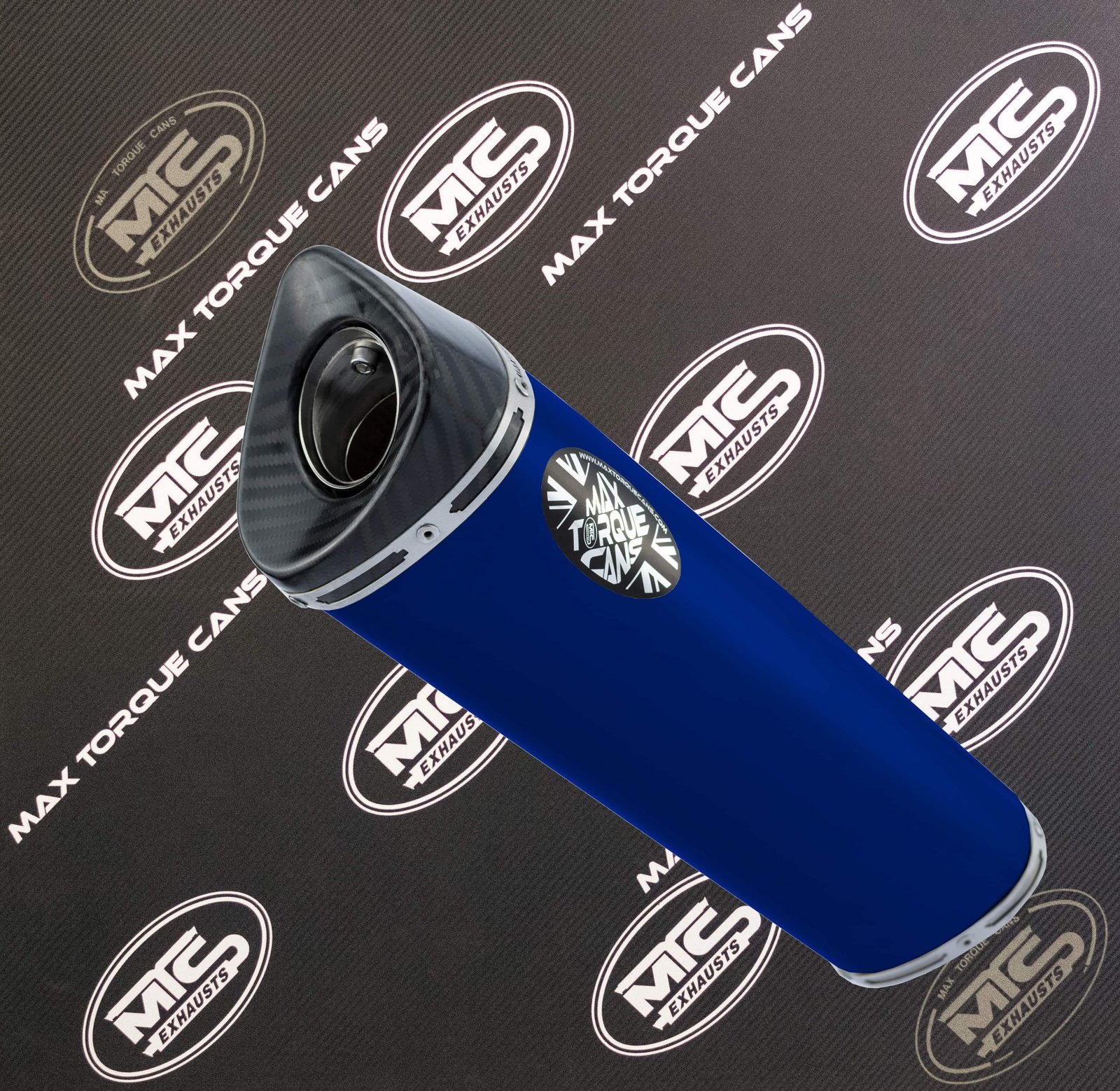
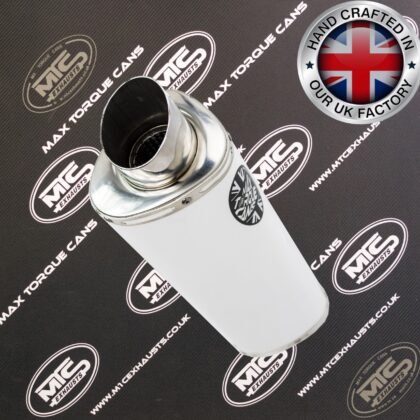
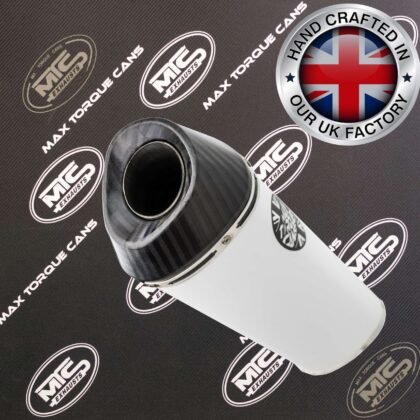
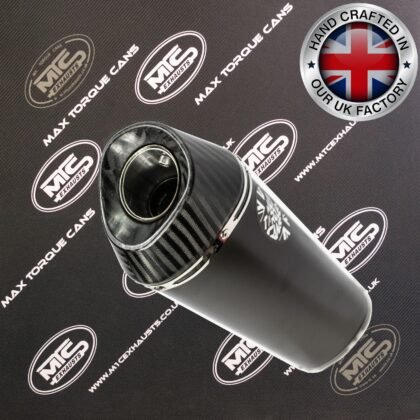
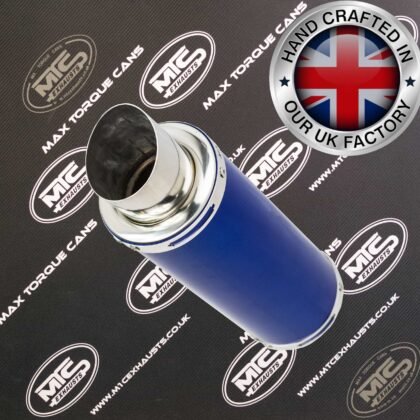
| Material | White, Polished Stainless Steel, Satin Stainless Steel, Titanium, Carbon, Black, Blue |
|---|---|
| Shape | Round GP, Oval, Round, Tri Oval |
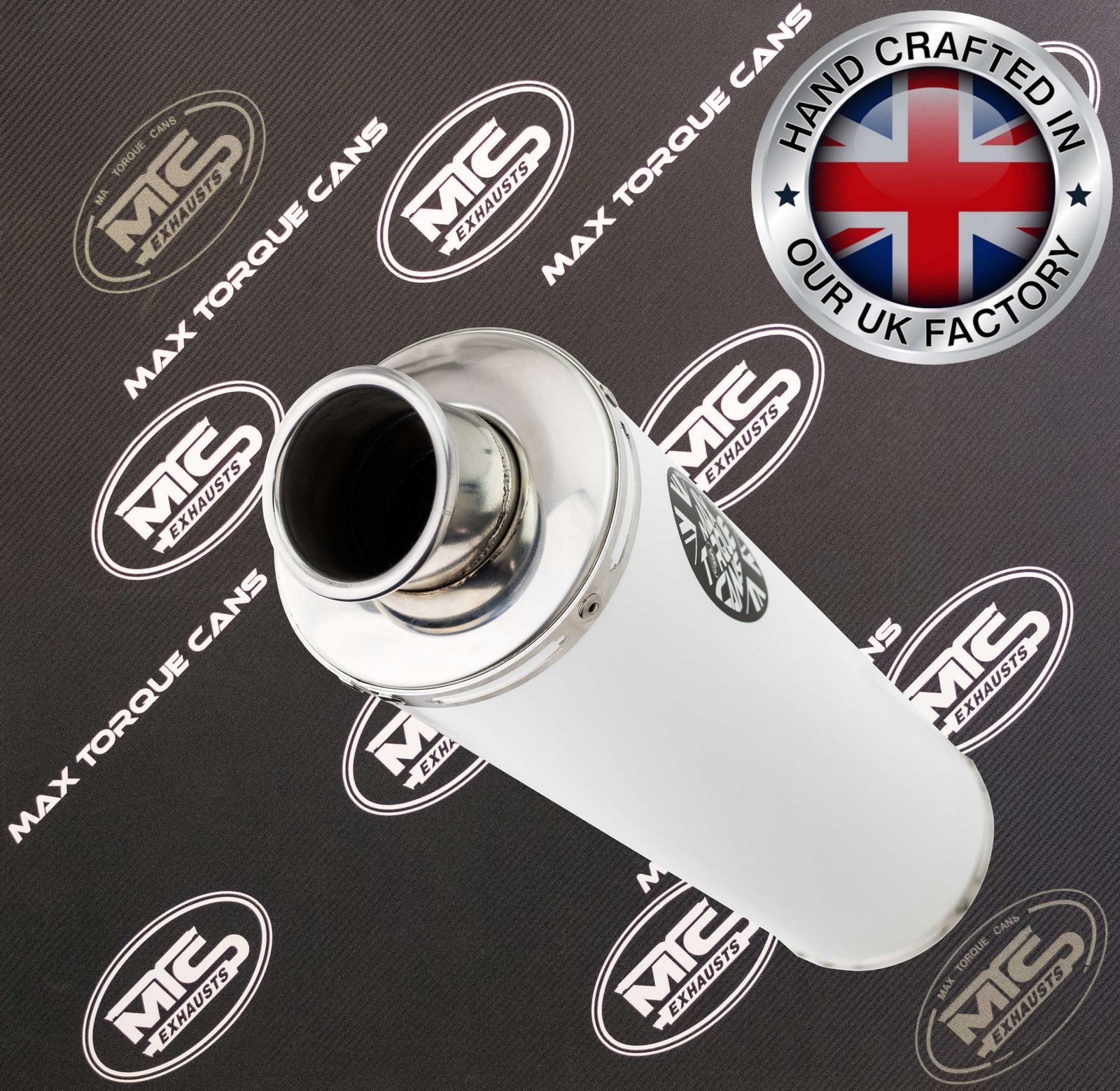
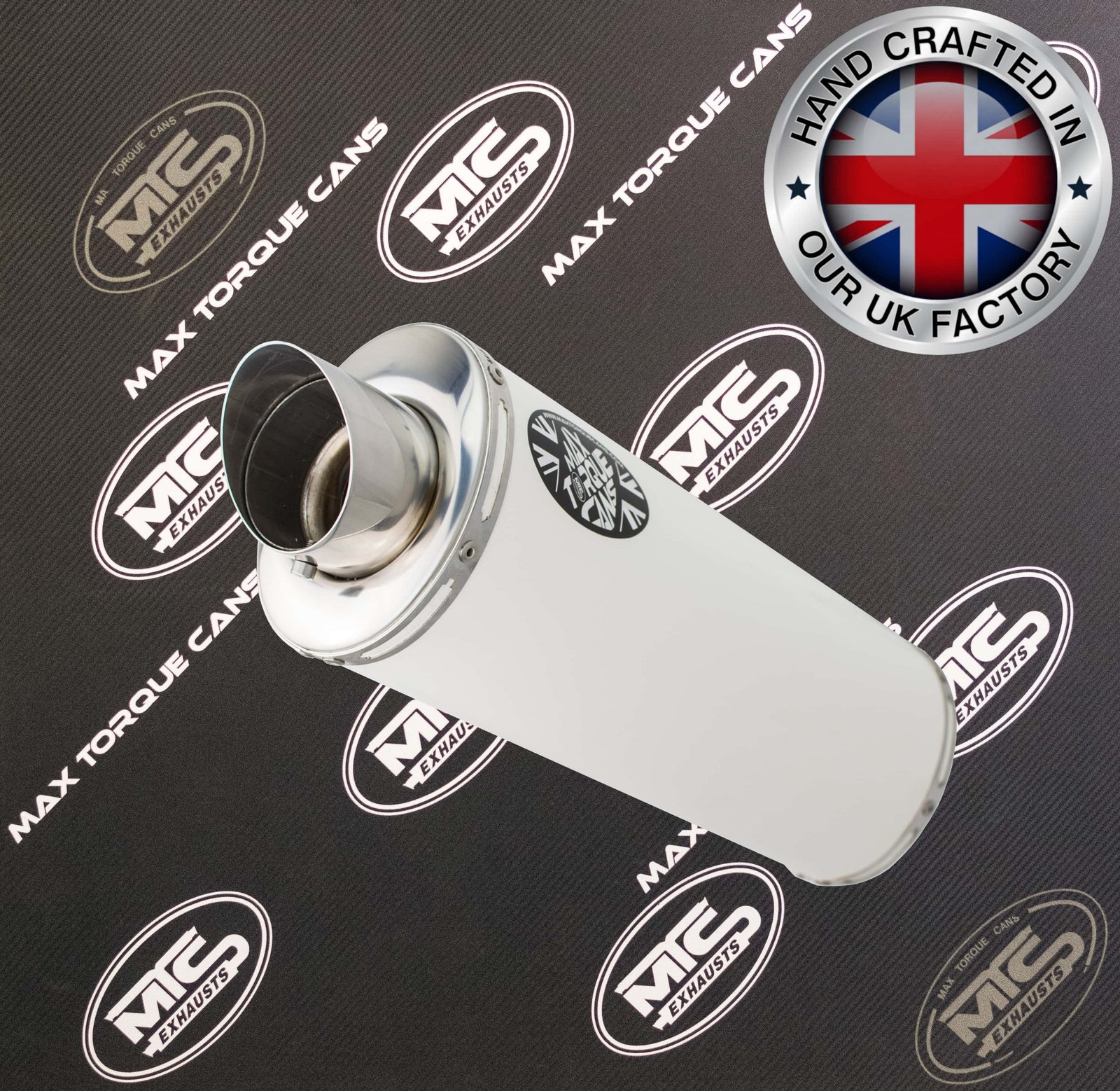
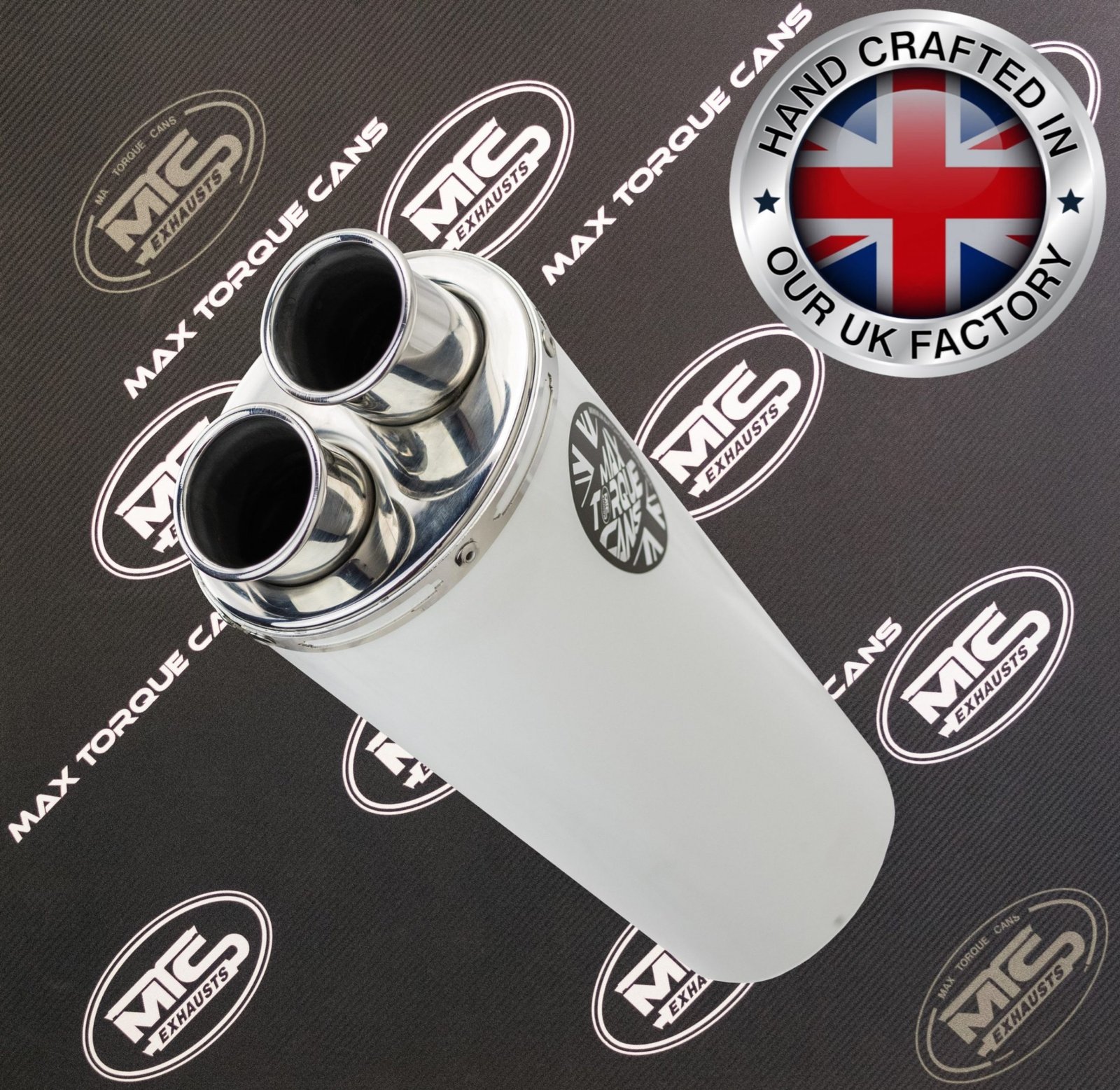
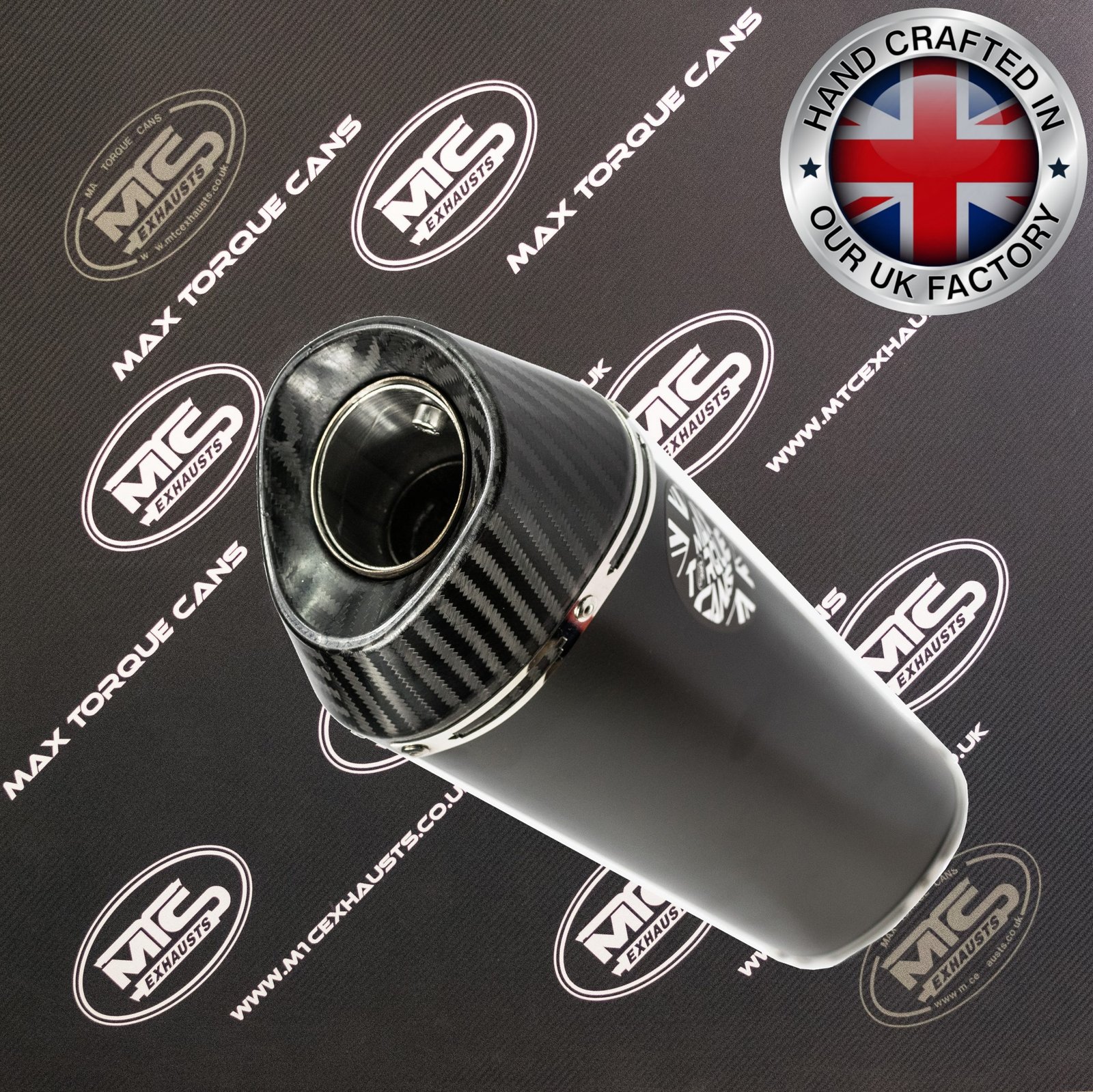
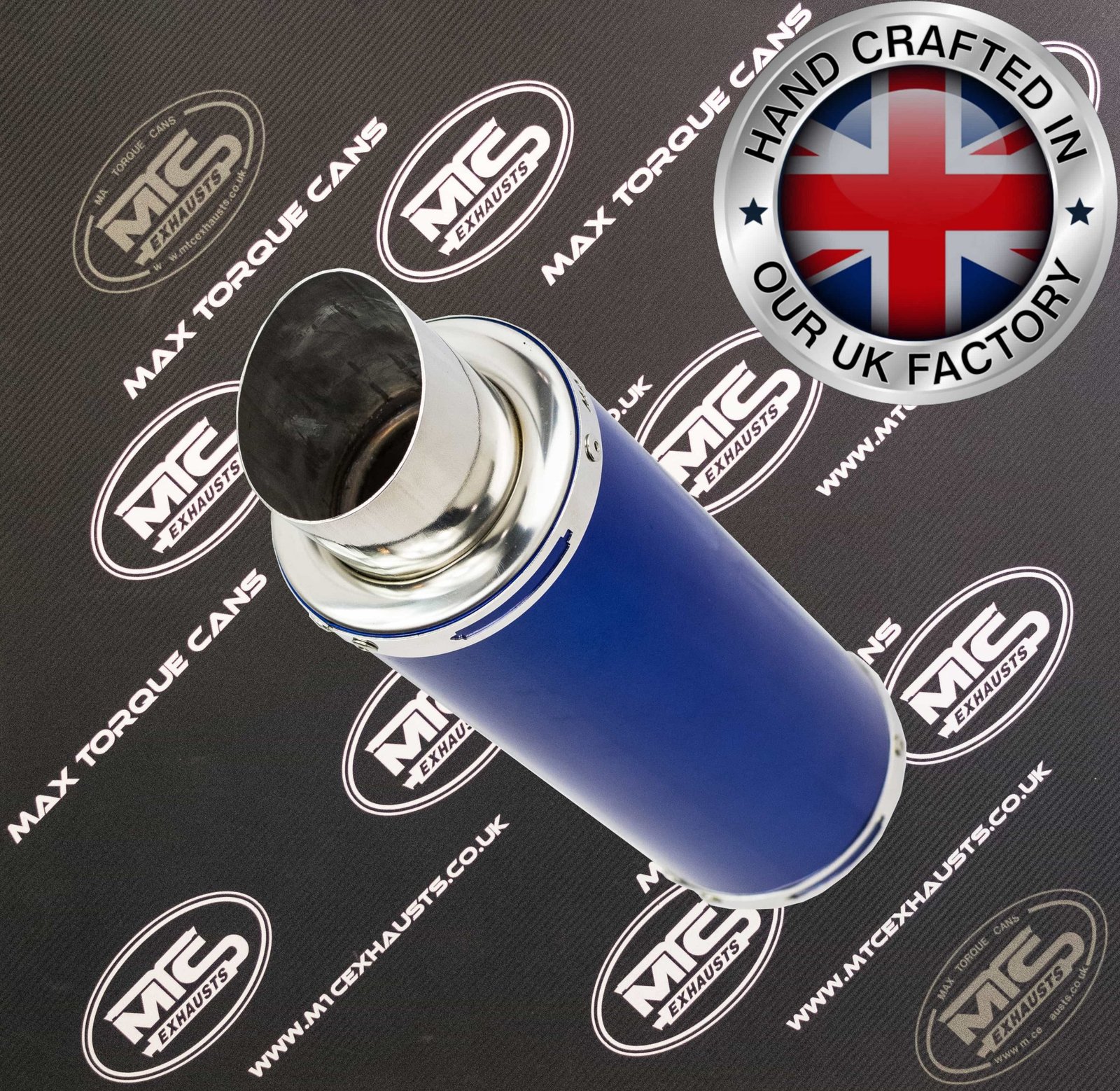
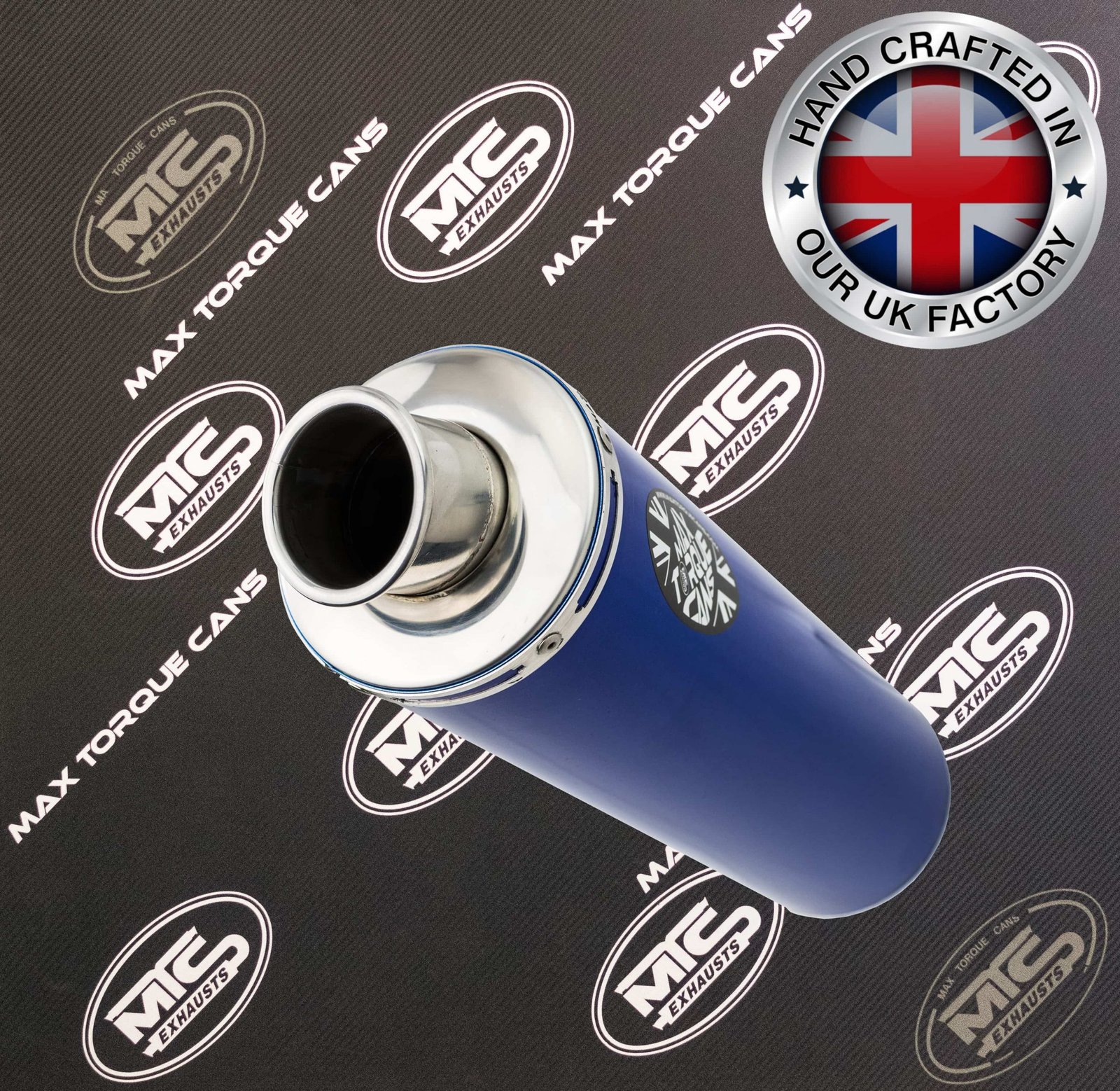
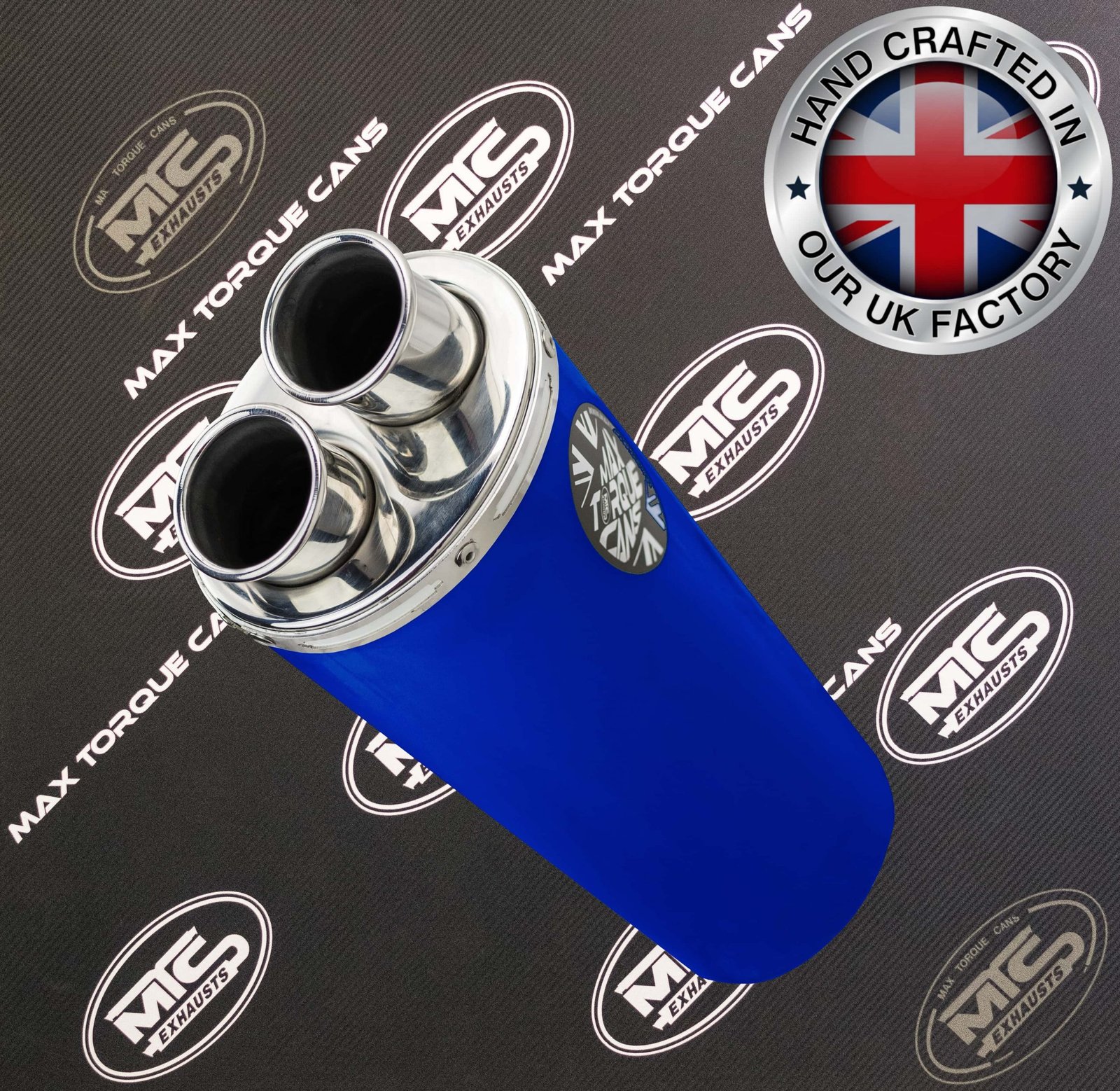
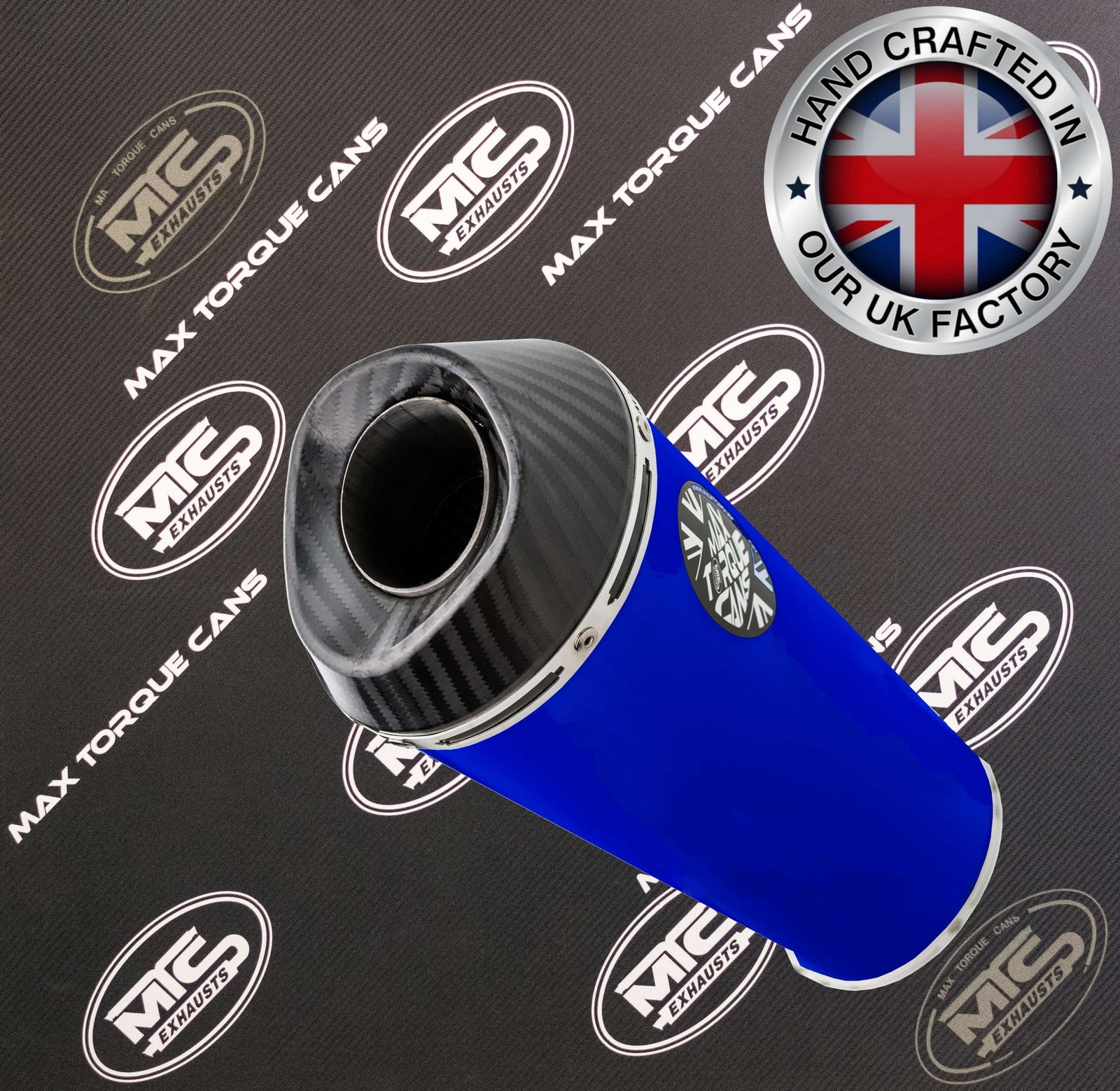
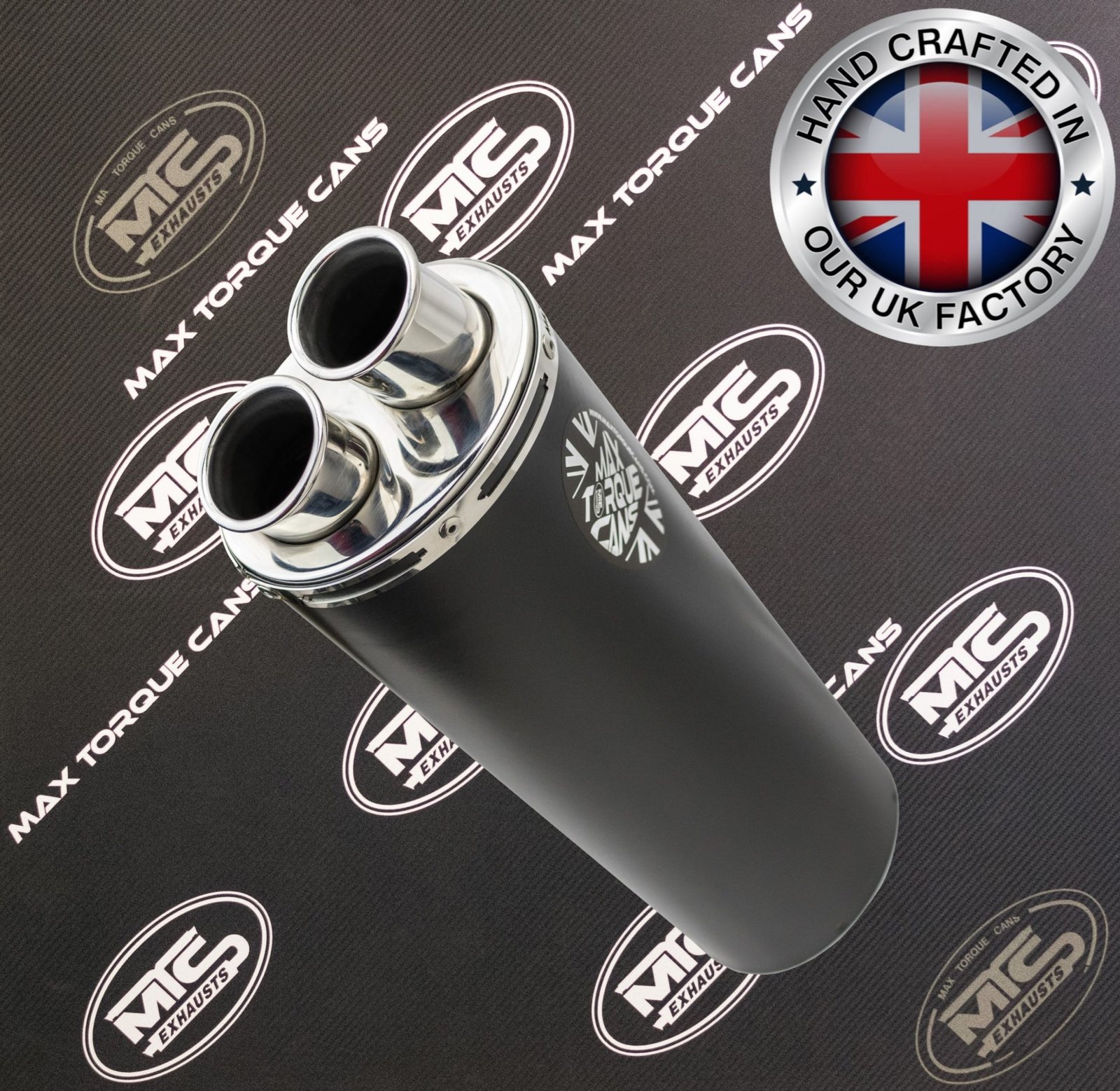
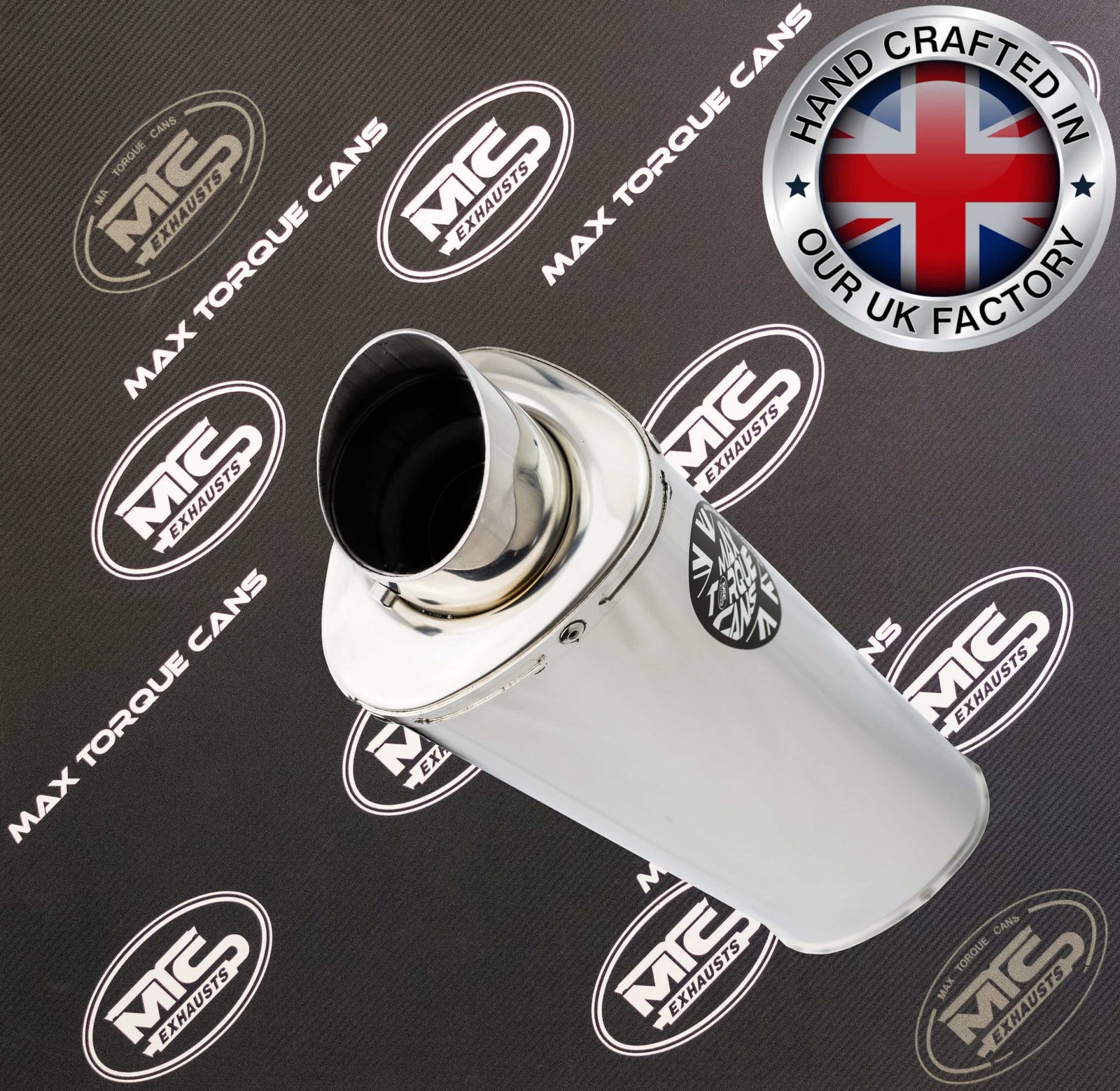
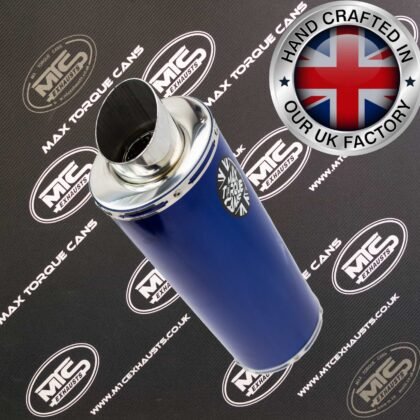
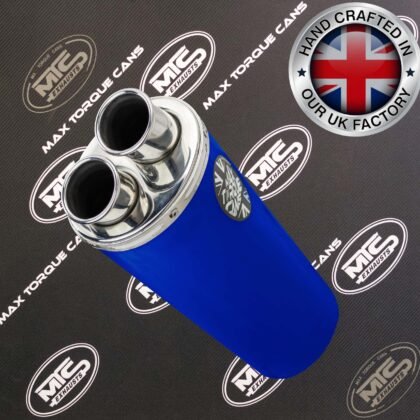
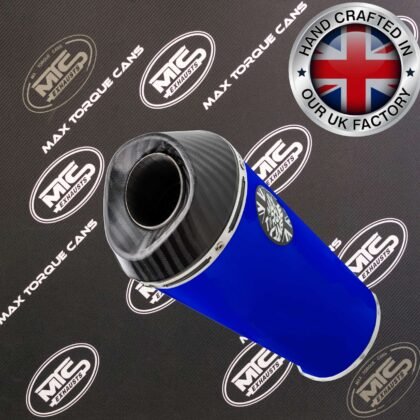
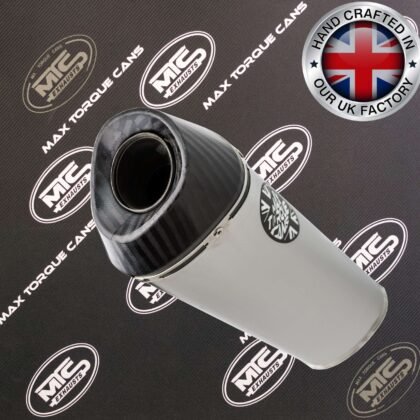
| Outlet | Evo Outlet, GP Pro Outlet, Single Outlet, Twin Outlet, Carbon Outlet |
| Type | Race, Road Legal |
Outlet
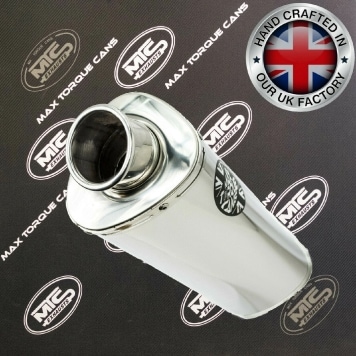
 |
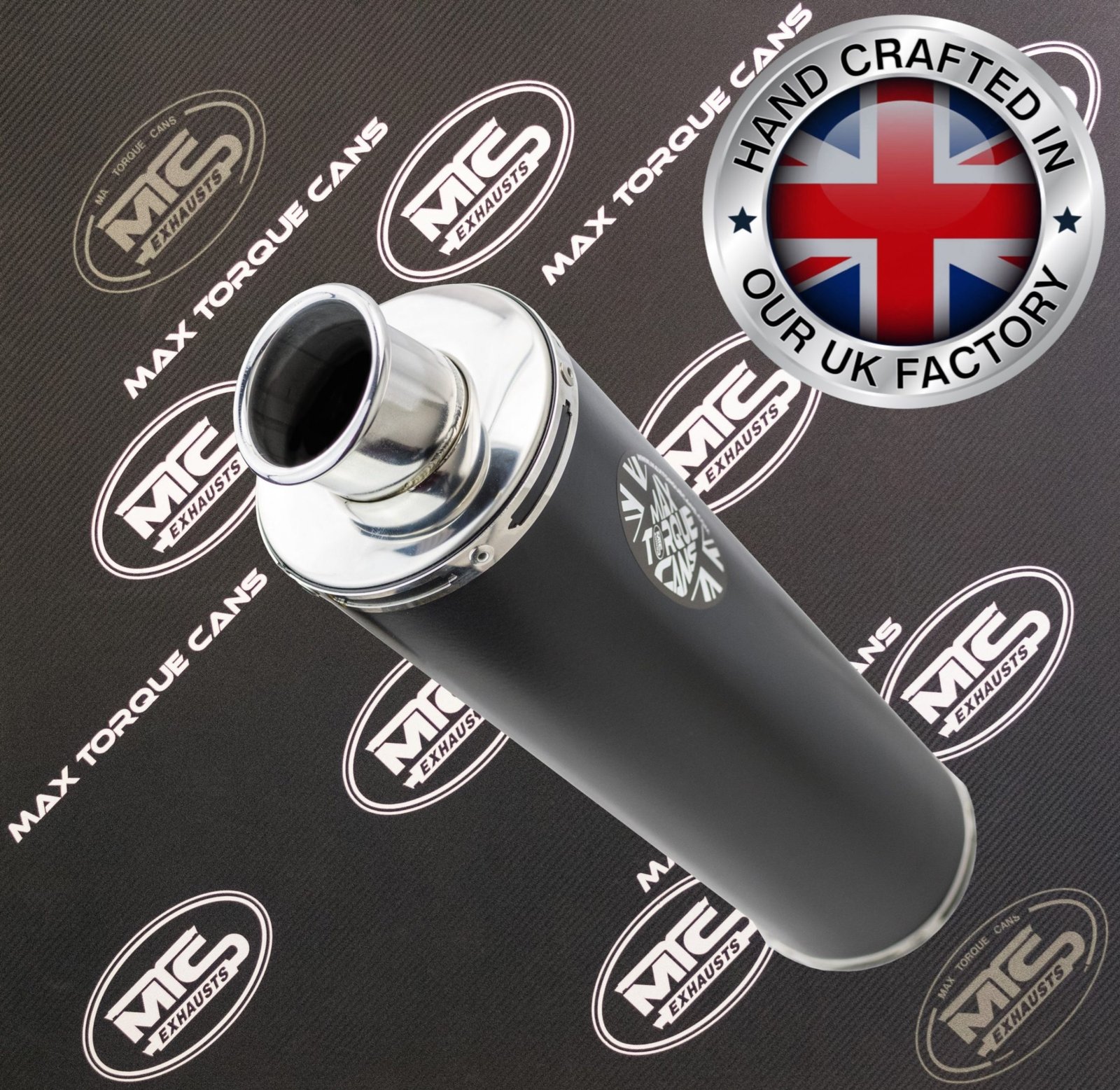
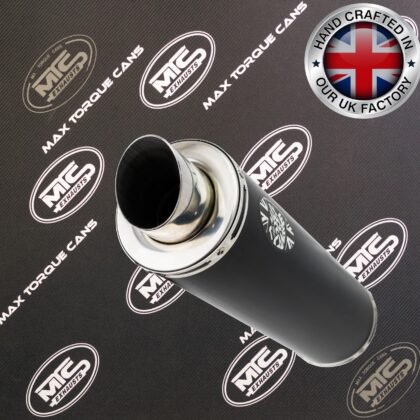
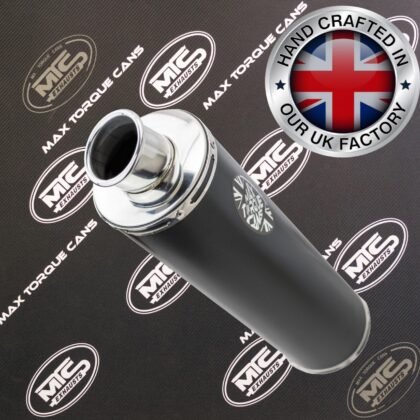
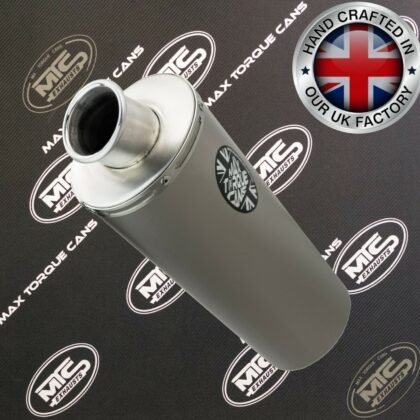
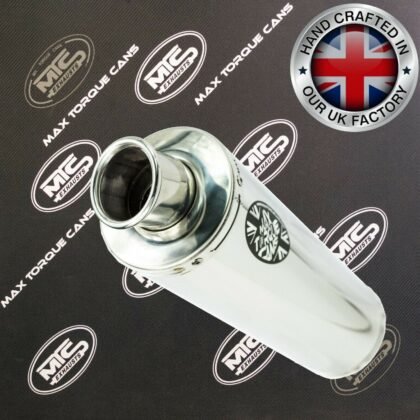
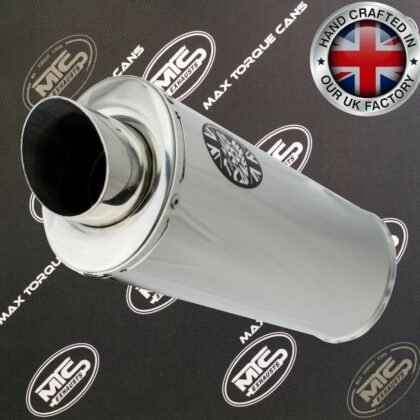
Single Outlet – single 54mm diameter rolled outlet. Best performing outlet in a road-legal /race. Simple and effective. |
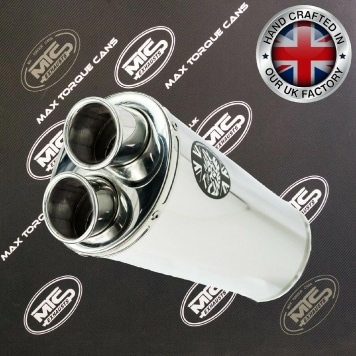
 |
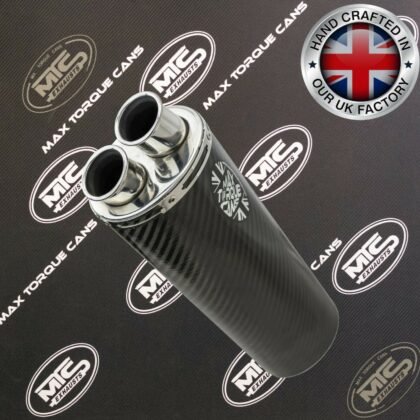
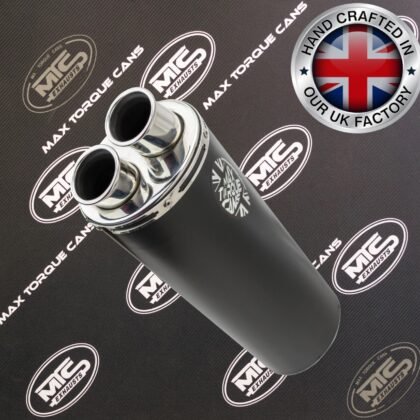
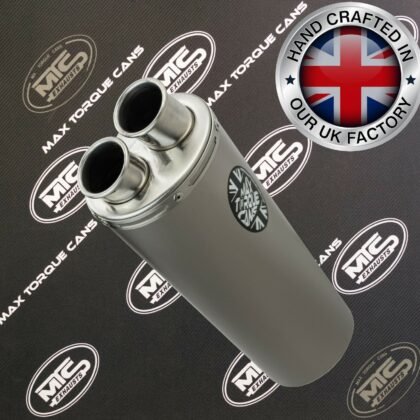
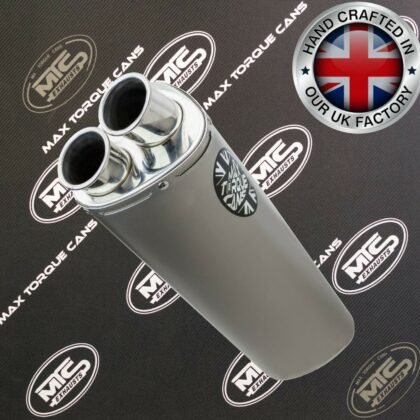
Twin Outlet – twin 40mm diameter rolled outlets. This has the ‘best of both worlds’, quieter than the single outlet with baffles inserted, and Louder than the single outlet with the baffles removed. (Both outlets working in the road-legal form). |
 |
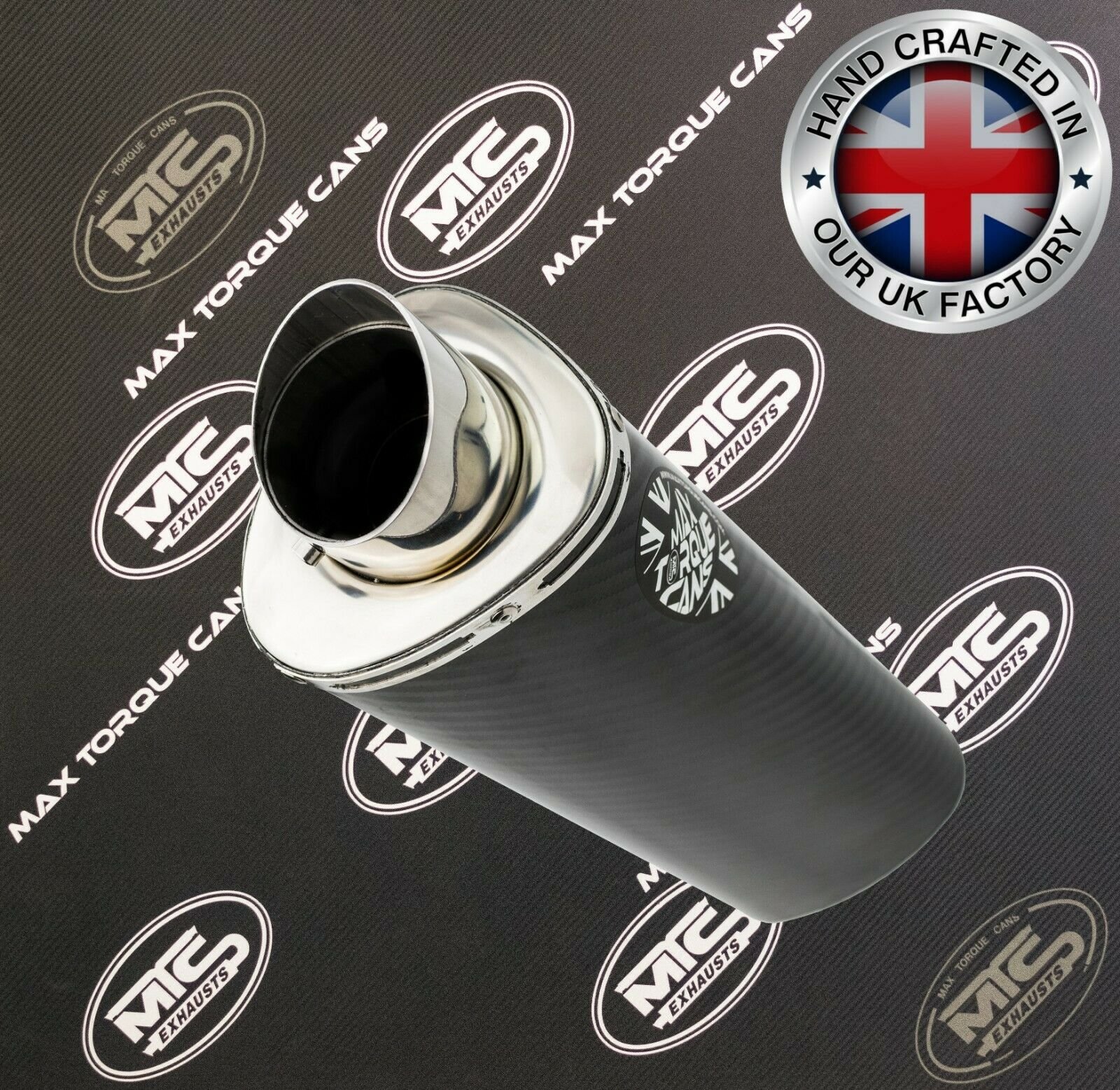
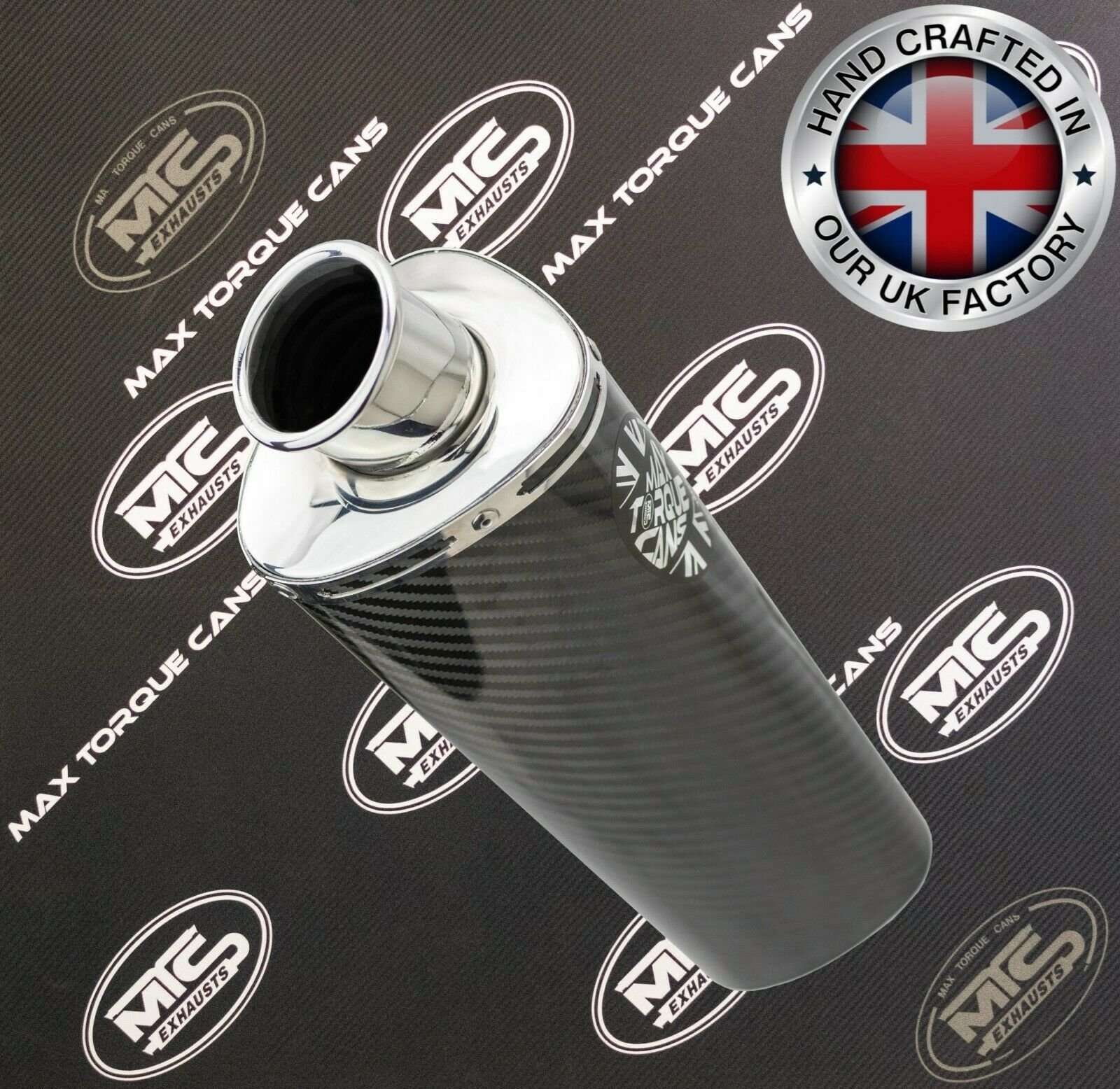
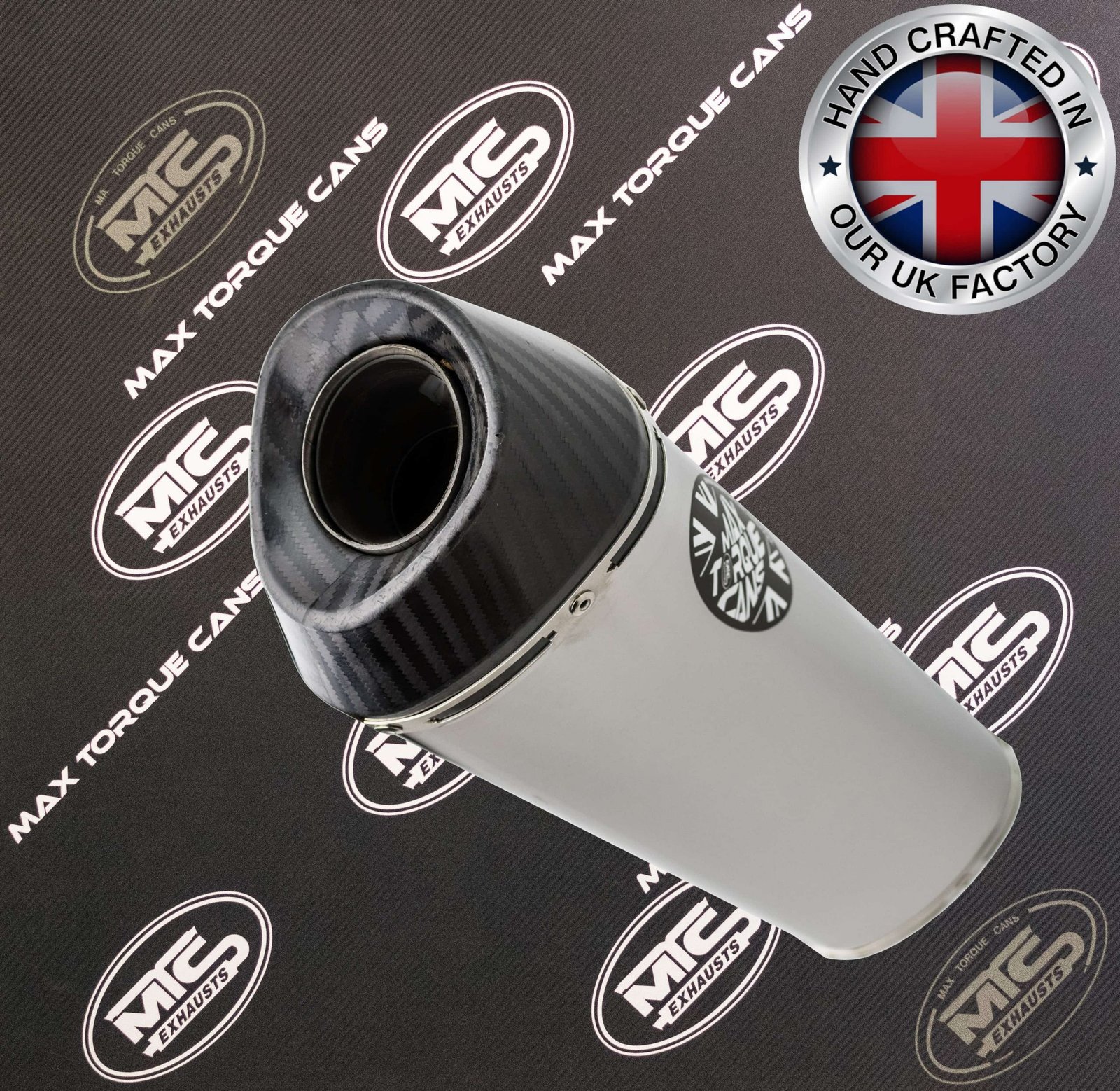
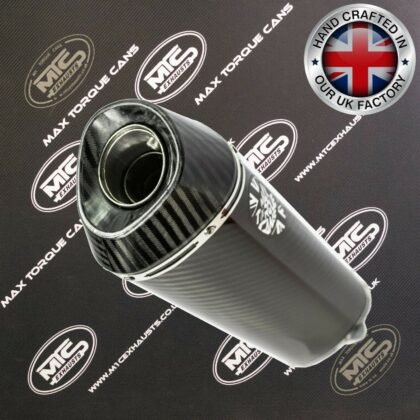
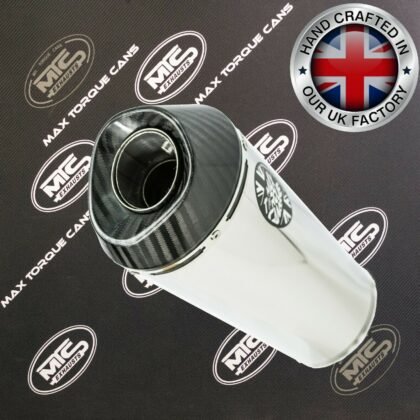
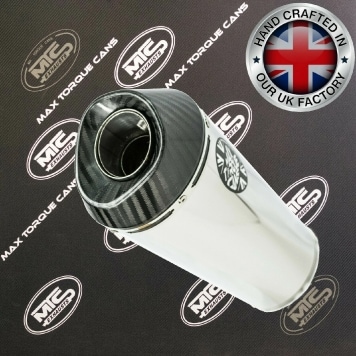
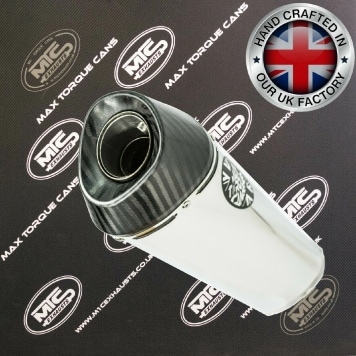
Carbon Outlet -Our superior outlet range with a choice of a smooth, sleek Oval, ultra-modern Tri-oval, and now our all-new for 2020 Round outlet. These outlets give your exhaust the distinctive, expensive finish without the expensive price tag. |
 |
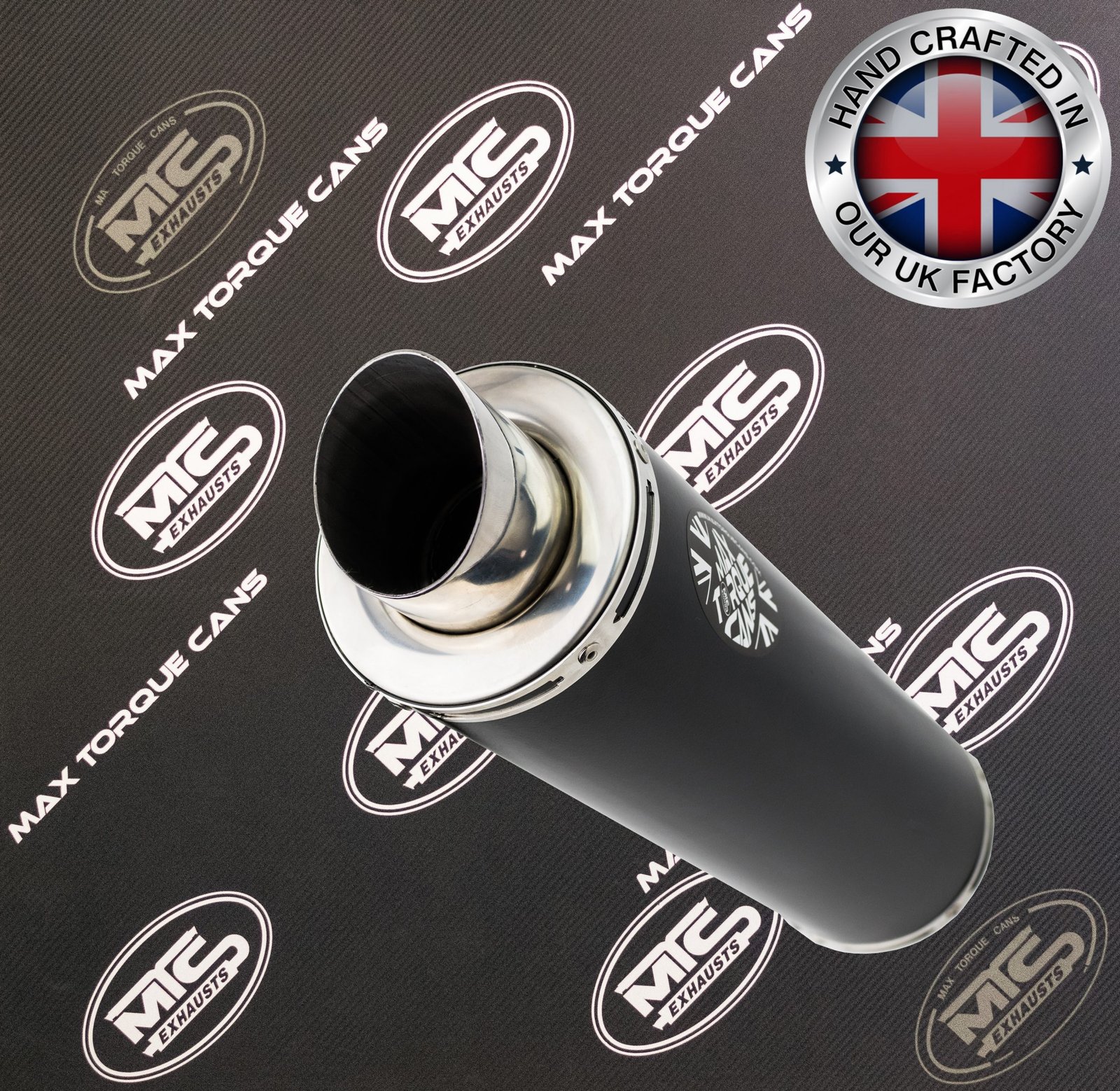
GP Pro Outlet – Comes with a large 63mm diameter slash-cut finish, and can come with and without road-legal baffles. |
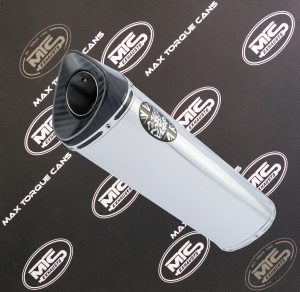 |
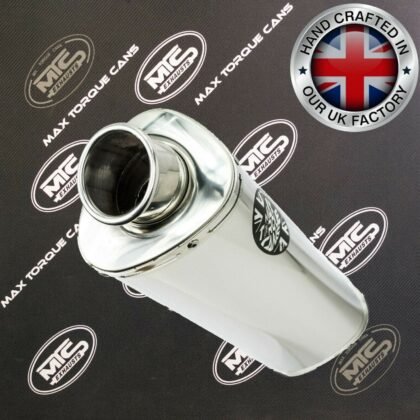
The Evo Outlet – Is a new, modern 2020 design. The sleek, tapered lines compliment any road – track or race bike |
Materials
Our Exhausts are internally constructed in stainless steel and the outer sleeve can be made in stainless steel, titanium or carbon fiber. MTC ONLY uses the best grade materials.
 |
Polished Stainless Steel – Grade T304 + T409 (a single slip-on exhaust normally weighs 1.9 kilos). |
 |
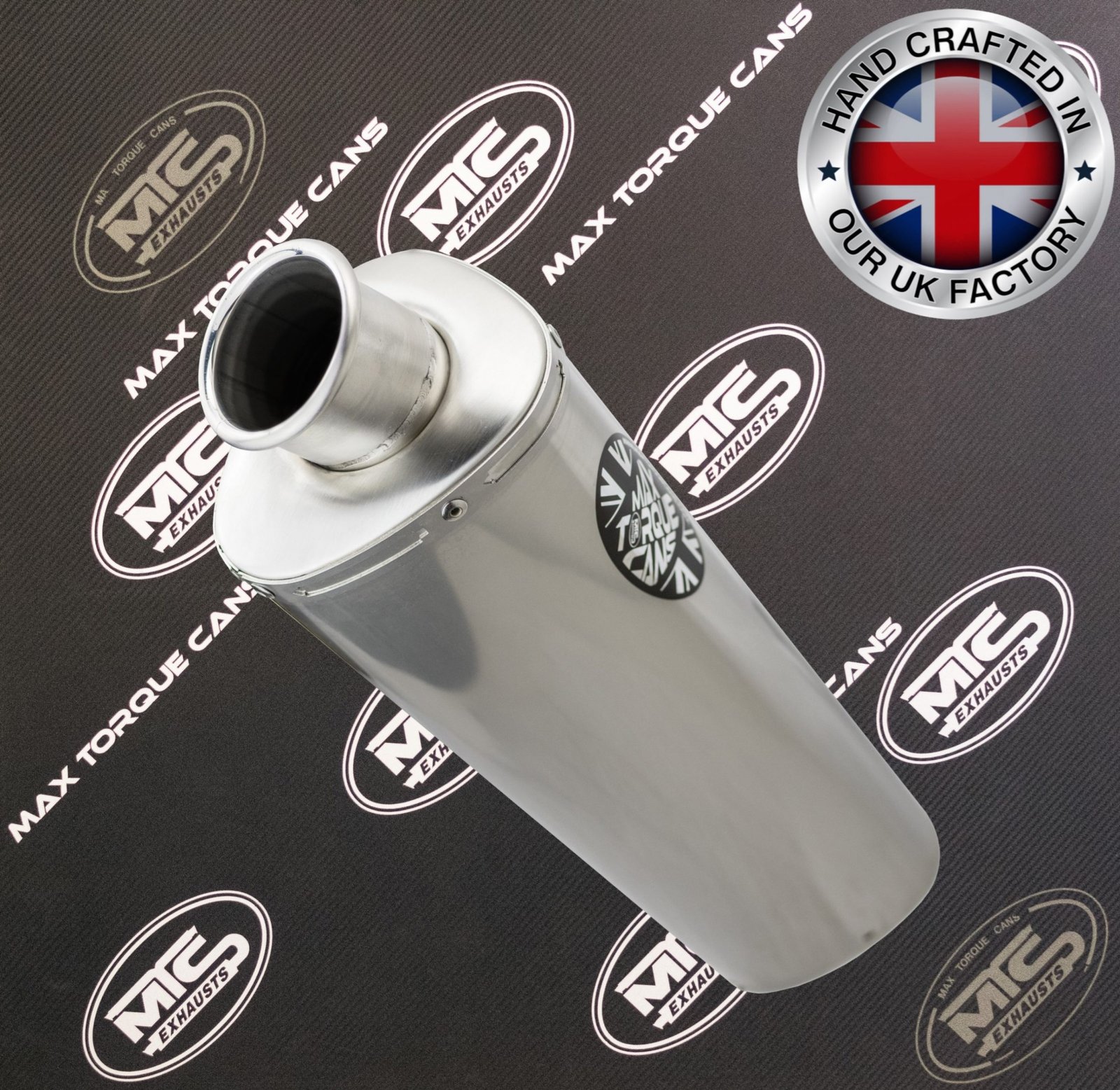
Satin Stainless Steel – Grade T304 + T409 (a single slip-on exhaust normally weighs 1.9 kilos). |
 |
Titanium – Grade 2 + 3 mill finish (a single slip-on exhaust normally weighs 1.7 kilos). |
 |
Carbon Fibre – 4 x 4 twill prepreg autoclave cured, foiled lined (a single slip-on exhaust normally weighs 1.2 kilos). |
Our coloured exhausts have stainless steel sleeves that are painted prior to assembly. The item is electrostatically coated with high-grade polyester powder and cured at 200º-220º deg C giving a durable, smooth and U.V. resistant finish with excellent colour retention. Colours available are matt black, gloss white and gloss blue.
Shape
 |
Round GP – Ø98mm Our smaller round exhaust shape and is usually 250mm Long (this exhaust shape is perfect for the customer who wants a louder sound on a standard sized bike). |
 |
Round – Ø110mm Our Normal-sized exhaust shape and can come in sizes from 250mm to 450mm Long. (This is our standard sized exhaust and performs excellently on most bikes). |
 |
Oval – working from 110mm Ø is sized 98mm wide and 122mm High and can come in sizes from 250mm to 450mm Long. (This is our slimmest design, for inverted under-seat exhausts, or for customers/Racers who need the slimmest streamlined spacers to ride through). |
 |
Tri Oval – working from 110mm Ø is sized 98mm wide and 122mm High and can come in sizes from 250mm to 450mm Long. (This is our Premium shaped design. (Designed back in 2002′ our company was the first in the UK to produce this exclusive shape, have a look around and see how many UK companies have copied us!!). |
Extra Info
Our Exhausts are manufactured to give maximum power without the need to alter the fueling but, if you have an aftermarket air filter and/or a de-cat, then having the bikes fueling looked at will always compliment the engine’s performance and efficiency.
To Make sure that you are shopping for the correct Model exhaust here is some information about this model.
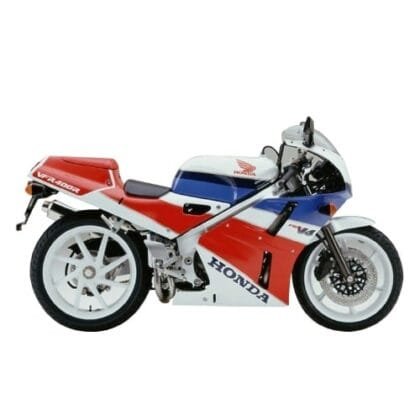
The third generation of VFR400R was the best-known version, the VFR400R NC30. This saw styling changes, most notably the headlights were updated to smaller twin headlights, much the same as the RC30, and relocation of the silencer to the left side, which gave a more open look to the rear wheel on the right side. This model saw the introduction of the 360° crank firing engine, which is also known as the “big bang” engine. The tachometer red-line was also raised to 14500 rpm. The NC30 was also officially sold in limited numbers in several European countries. The official European models were sometimes installed with a different CDI (ignition device), no 180 km/h (110 mph) restriction, speedometer that reached to 240 km/h (150 mph) and larger headlights (Germany). The NC30 was produced between 1989 and 1992, though unsold bikes were still available to purchase from Honda dealers for several years thereafter. The NC30 reflected the styling of its iconic bigger brother, the VFR750R (RC30), right down to its 18-inch rear wheel. Japanese-spec NC30s were available in a total of eight different colour schemes, produced with three different model year specifications (1989, 1990 and 1992). Export models were made in two different colour schemes, and carried model year designations L and M (1990 and 1991).
The official UK model has the following distinguishable features: slightly larger front and rear direction indicators; additional rear number plate light (separate from a rear lamp) oil cooler, 60/55 watt headlamp bulbs, and an MPH speedo. The official UK bikes were only ever available in two color schemes.
The Honda VFR400R NC30 is widely regarded as being a fine handling motorcycle. The engine has a very wide powerband for a 400cc engine, which made it a perfect beginners-superbike. It has a hardcore fanbase, especially in Japan and the UK, where the NC30 is a popular track-day and racing bike.
3D View
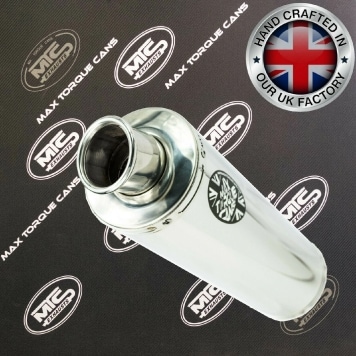
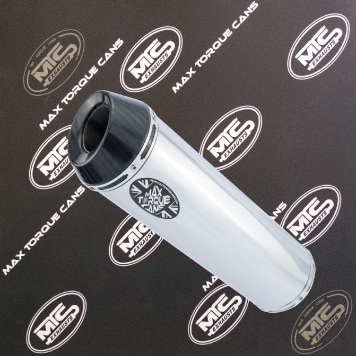
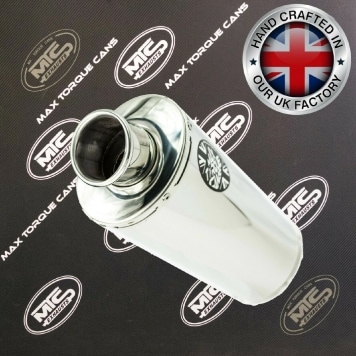
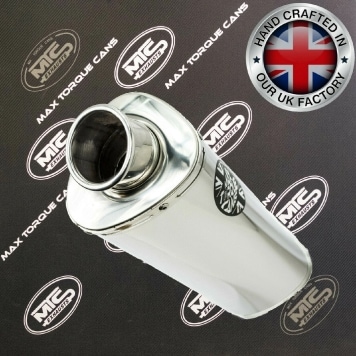
Please click on the exhaust below to see the 3D model




Gallery
[ngg src=”galleries” ids=”112″ display=”basic_thumbnail” thumbnail_crop=”0″]
Fitting Guide
 Loading...

 Reload document
  Open in new tab
 Road Legal / Race
All our Road Legal exhausts come with a Road Legal Baffle / Decibel Killer + BSAU ( British Road-Legal ) markings.
All our RACE exhausts do not come with a Road Legal Baffle / Decibel Killer + do not have any BSAU ( British Road-Legal ) markings. and are marked NOT FOR ROAD USE
2024 Road legal exhaust statement:
At Max Torque Cans we prioritise safety and compliance in the world of motorcycle exhausts. Our commitment to adhering to regulations is evident in our product design and labelling, and hence with new updates from ACEM, DVSA and DfT, we are ensuring our exhaust systems are compliant with new and upcoming legislation and regulations. Specifically, two changes detailed below:
Road Legal Exhausts: Our road legal exhausts will have the BSAU stamped markings and be crafted with non-removable baffles, aligning seamlessly with the standards set by ACEM (European Association of Motorcycle Manufacturers). These baffles are an integral part of our design to ensure that your motorcycle exhaust complies with road regulations, providing you with a legal and enjoyable riding experience.
Race Exhausts and Silencers: For those seeking an exhilarating experience on the track, our race exhausts are engineered to deliver optimal performance. Clearly marked with type approval markings “Not for Road Use” etched into the side, these exhausts are specifically designed for racing applications. This distinction is in line with DVSA policy, ensuring that our race exhausts are suitable for track use, meeting the highest performance standards without compromising on safety.
Fitting Guides
Related products
-
 BMW
BMWBMW F650GS 2008 – 2012
Price range: £ 137.60 through £ 328.52 This product has multiple variants. The options may be chosen on the product pagePremium stainless steel exhaust system engineered specifically for the BMW F650GS 2008 – 2012. Unleash enhanced performance and a deeper, more aggressive sound whilst enjoying superior durability and corrosion resistance. Transform your adventure bike today.
-
 BMW
BMWBMW K1600 GT – GTL 2011-2024
Price range: £ 259.72 through £ 656.18 This product has multiple variants. The options may be chosen on the product pageUnleash your BMW K1600 GT – GTL 2011-2024 with Max Torque Cans’ performance exhaust. Experience a deeper, more authoritative sound whilst gaining genuine power gains—the ultimate bolt-on upgrade for serious riders demanding refined performance.
-
 BMW
BMWBMW F800GS 2008 – 2019
Price range: £ 137.60 through £ 328.52 This product has multiple variants. The options may be chosen on the product pageUpgrade your BMW F800GS 2008 – 2019 with Max Torque Cans exhaust for enhanced performance and that signature aggressive sound. Our complete kit delivers improved torque, superior quality construction, and effortless installation. Transform your riding experience today.
-
 Cagiva
CAGIVA RAPTOR 1000cc 2000-2005
Price range: £ 259.72 through £ 656.18 This product has multiple variants. The options may be chosen on the product pageUnlock genuine performance with the Cagiva Raptor 1000cc 2000-2005 slip-on exhaust from Max Torque Cans. Experience increased power delivery and aggressive Italian sound without compromise. The perfect upgrade for riders demanding real results.
-
 BMW
BMWBMW S1000RR 2009-2014
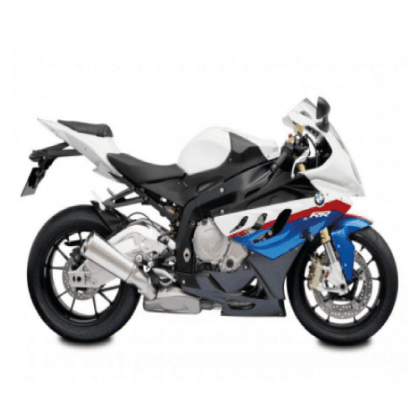
Price range: £ 172.00 through £ 288.96 This product has multiple variants. The options may be chosen on the product pageUnlock pure performance with our Max Torque Cans exhaust for the BMW S1000RR 2009-2014. Gain serious horsepower and aggressive sound whilst shedding weight from your legendary superbike. Purpose-built for riders who demand circuit-ready results.
-
 Aprilia
APRILIA TUONO V4R 2011-2014
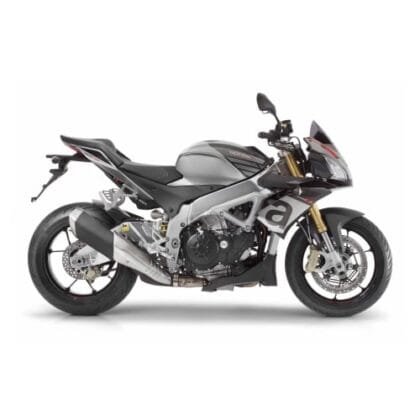
Price range: £ 138.46 through £ 327.66 This product has multiple variants. The options may be chosen on the product pageUnlock the full potential of your Aprilia Tuono V4R 2011-2014 with Max Torque Cans performance exhaust. Experience increased horsepower, aggressive sound, and a visceral riding experience that matches your bike’s raw character. Transform your naked superbike into the ultimate road-dominating machine.