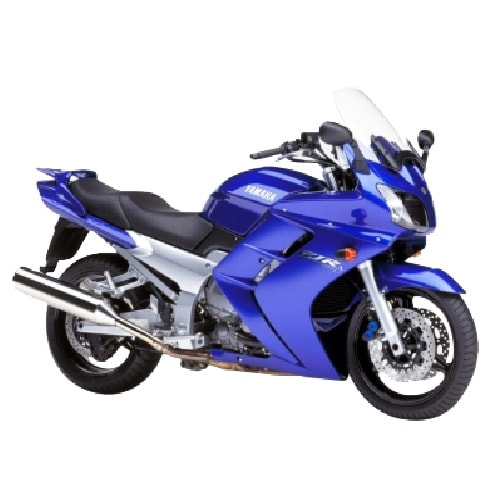

























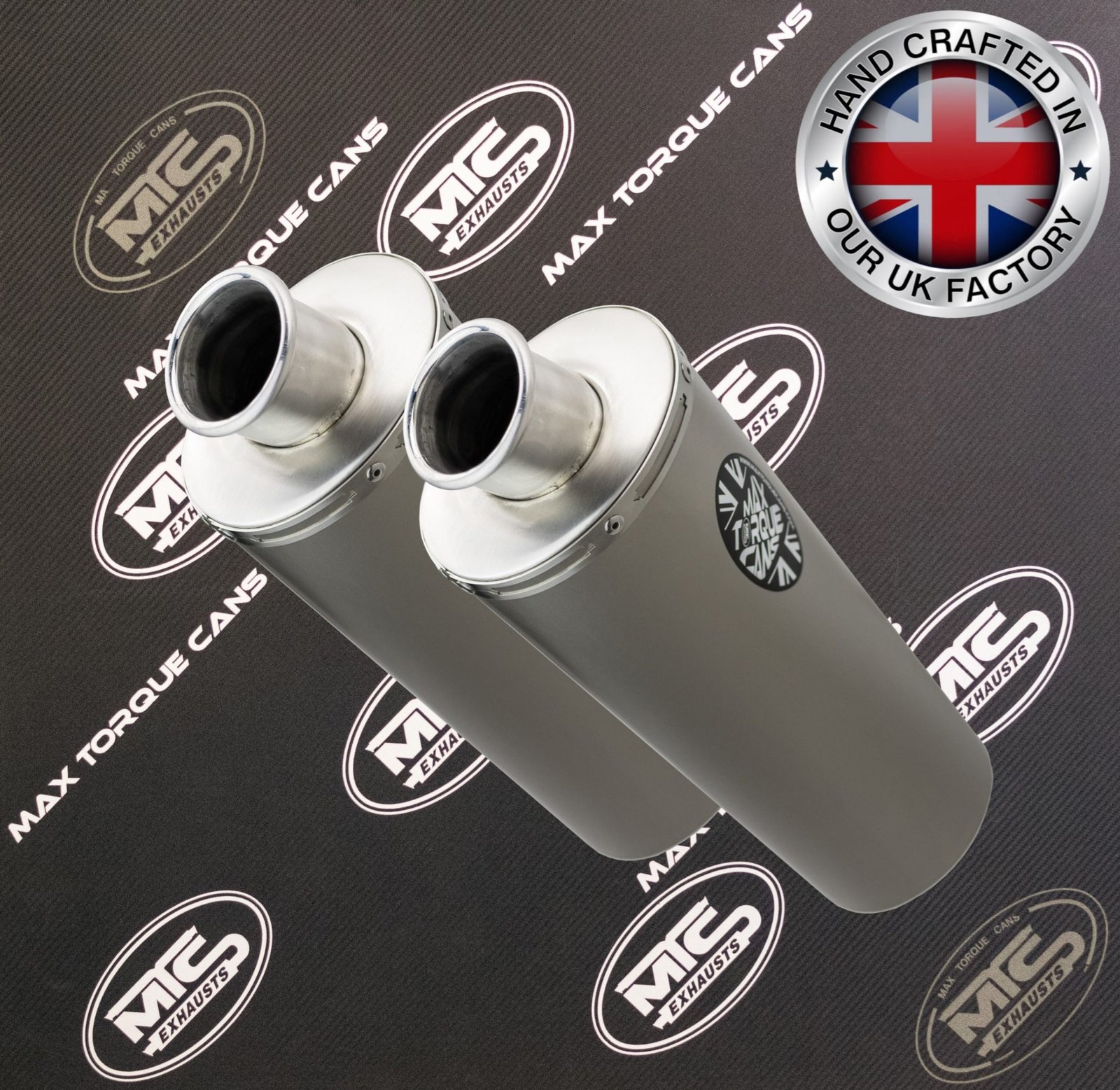

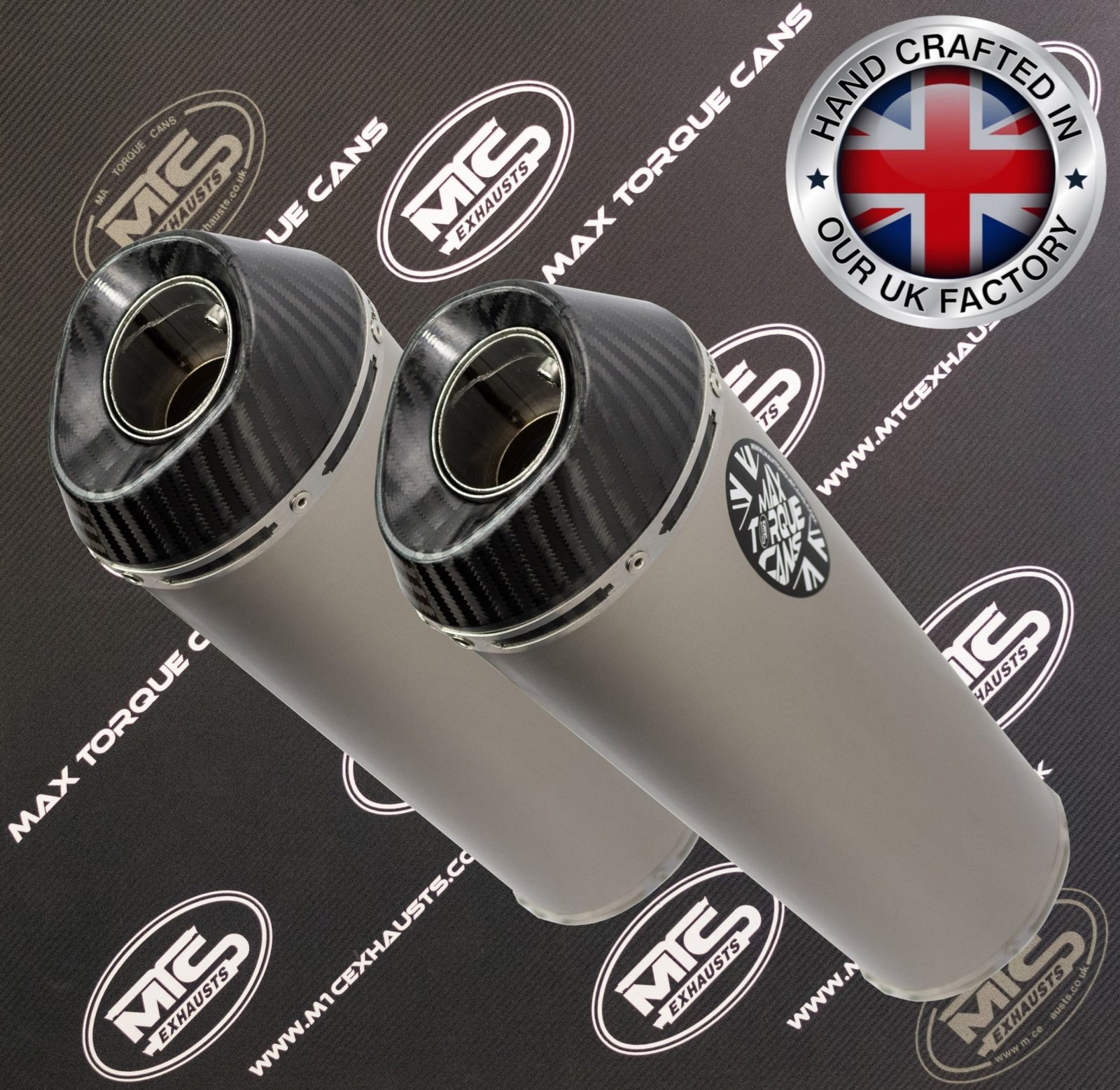
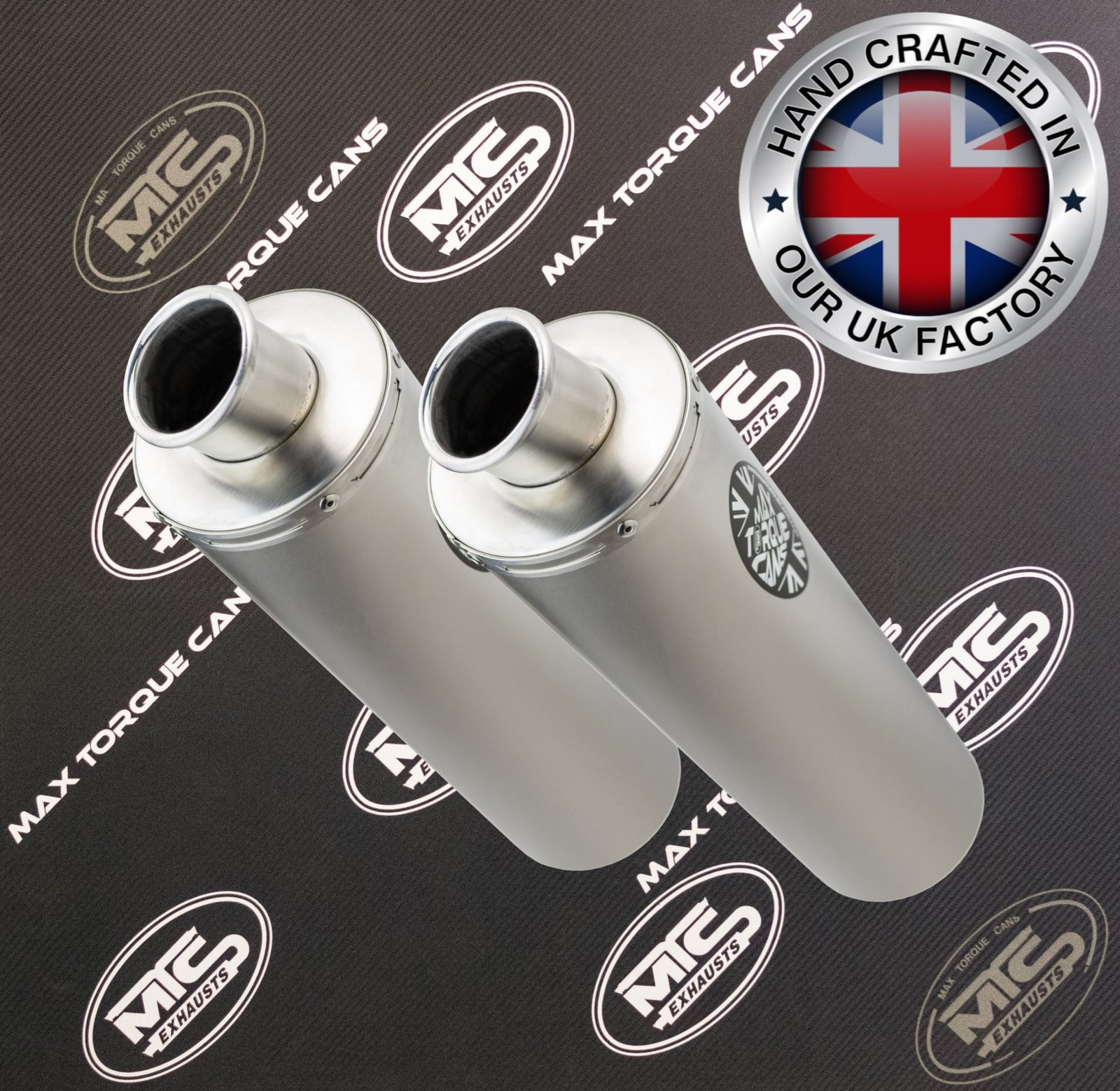
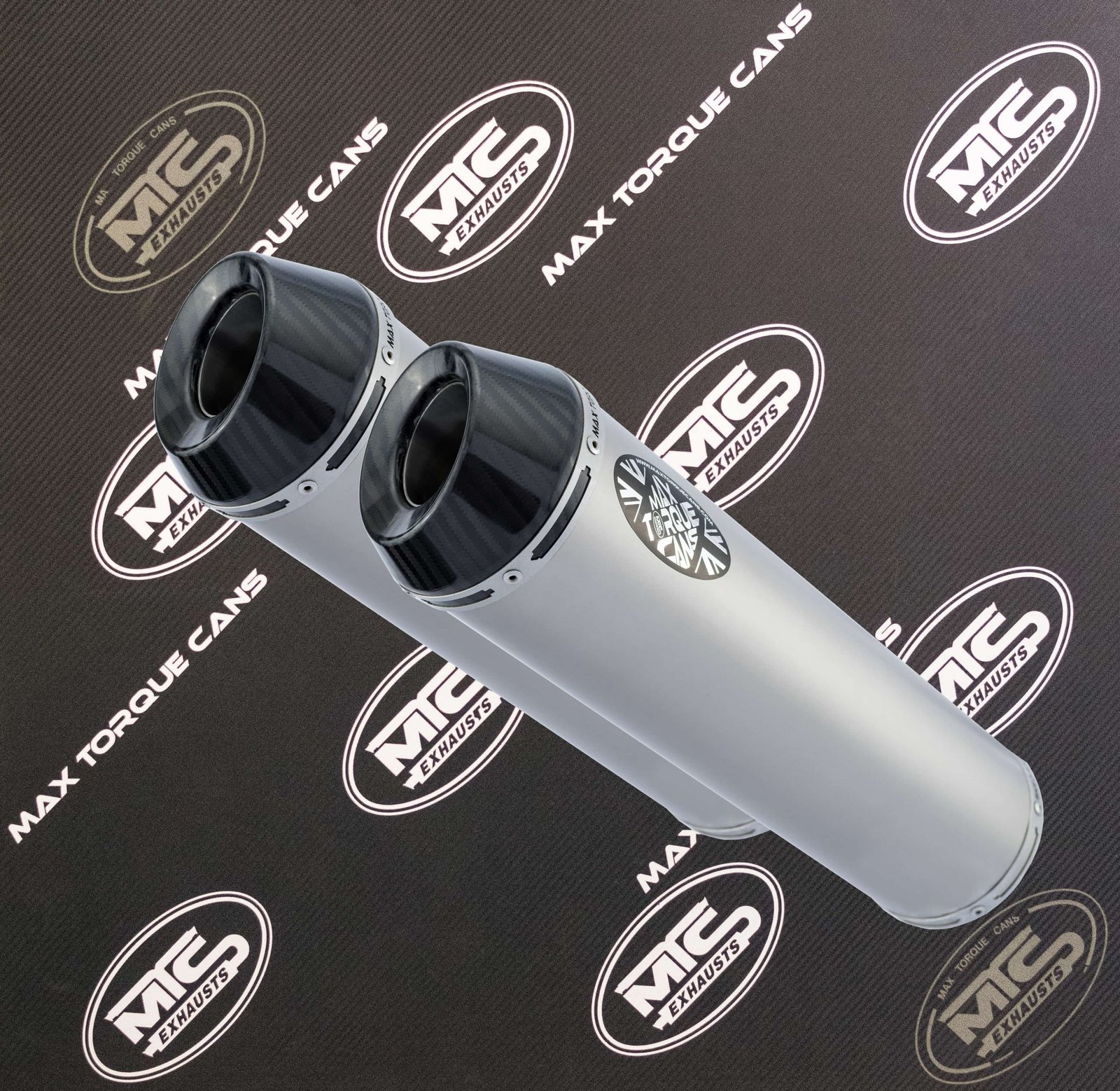

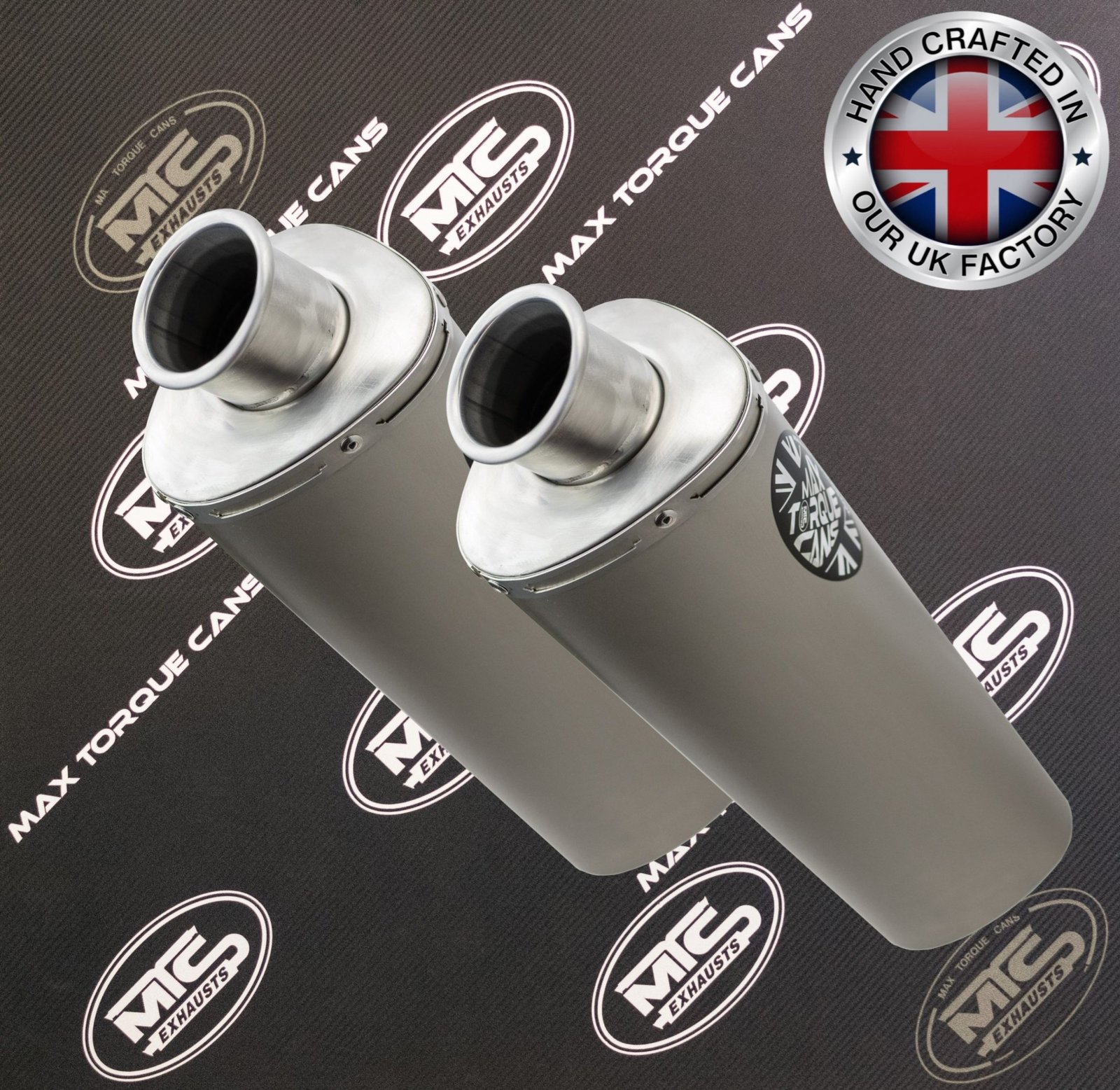

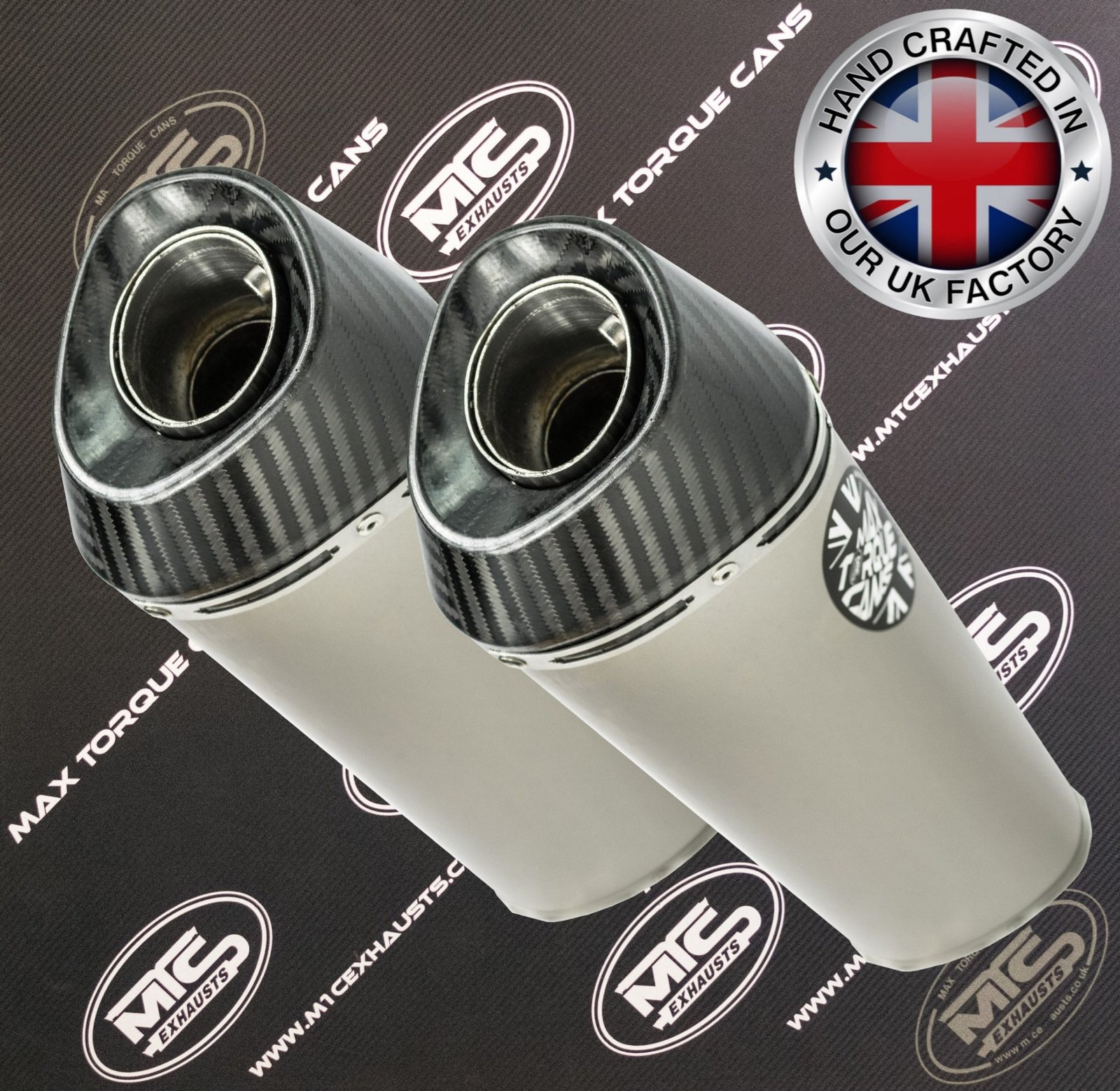


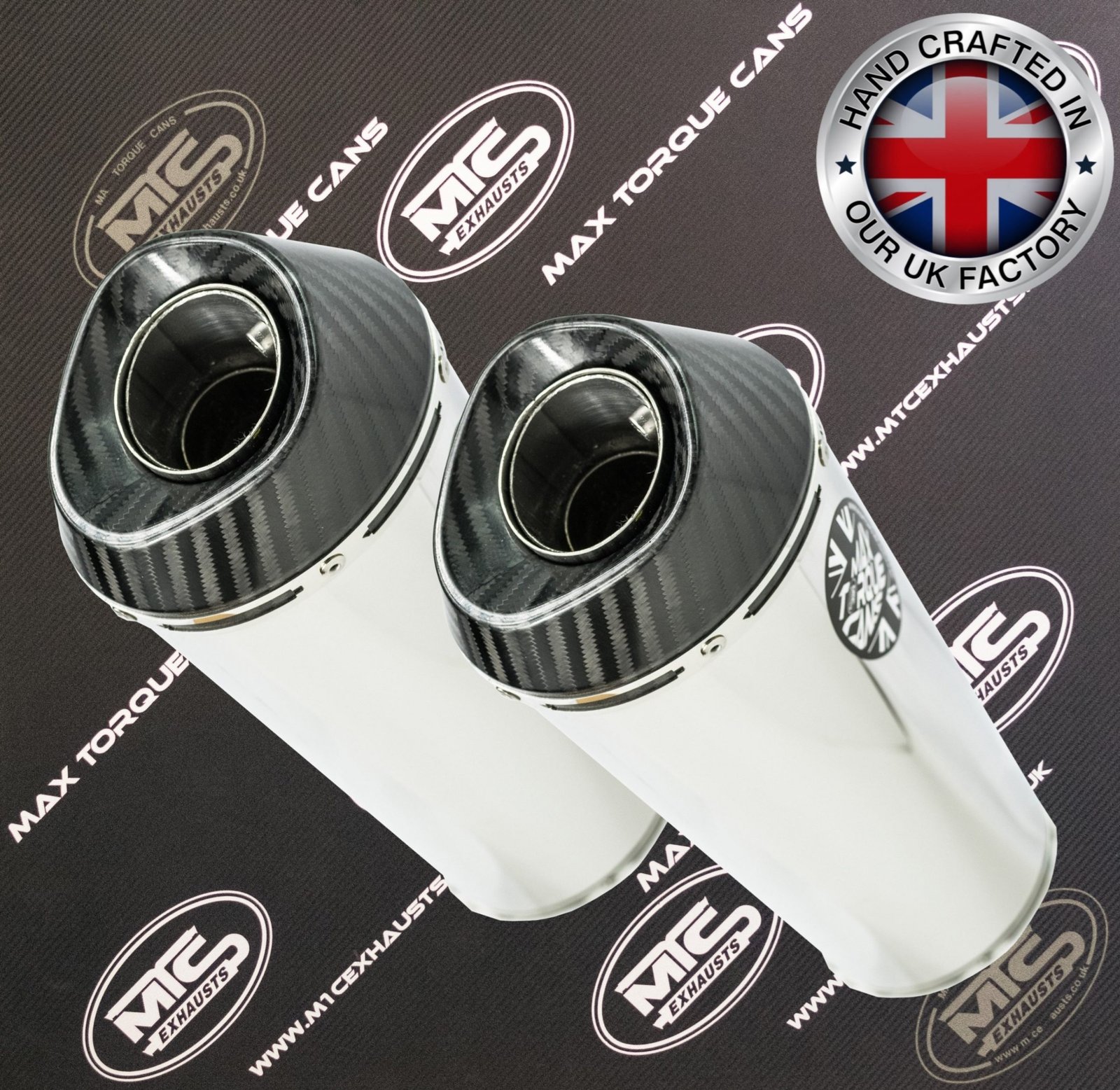
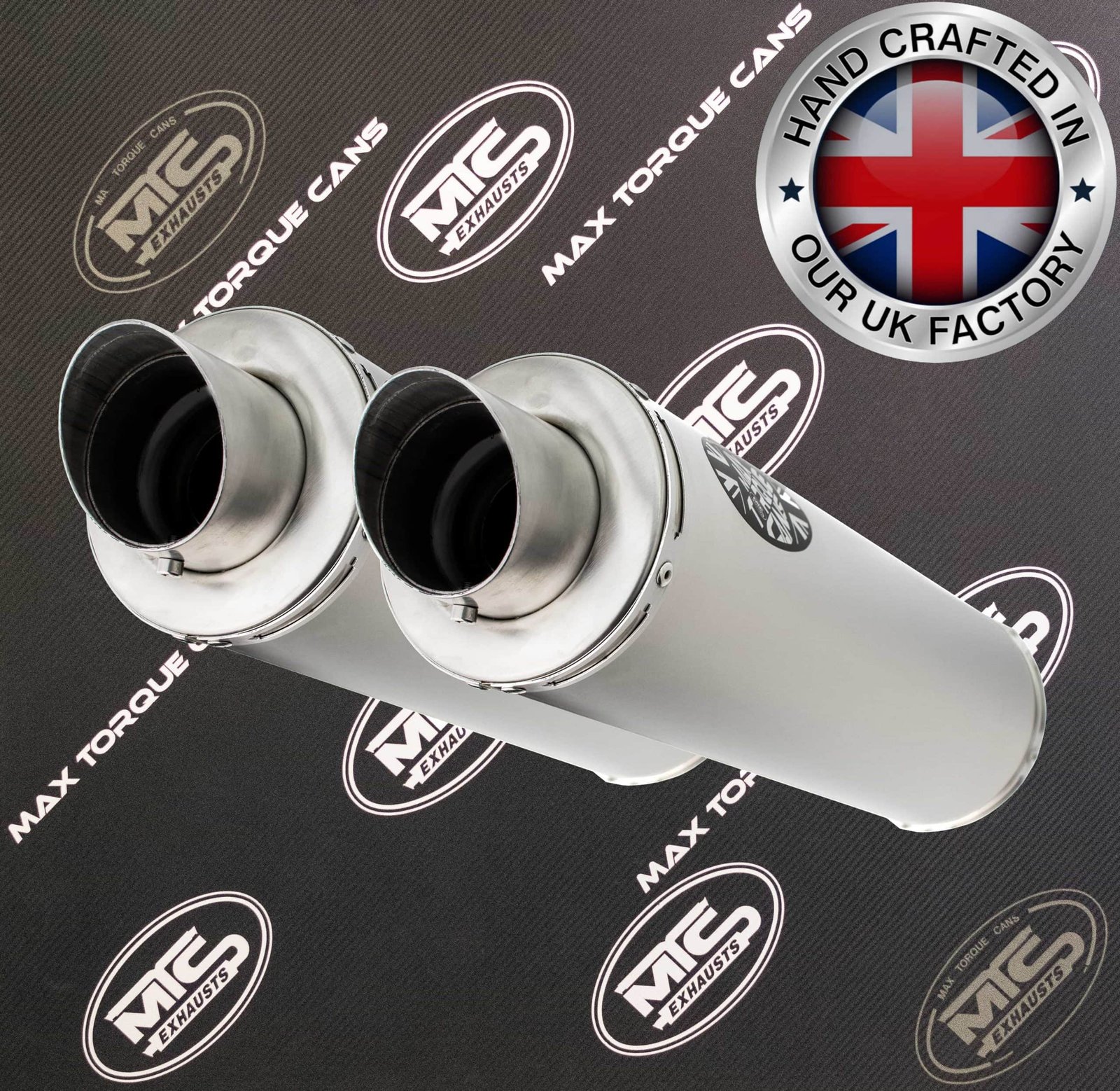




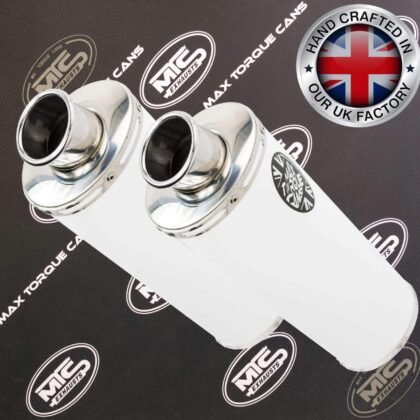


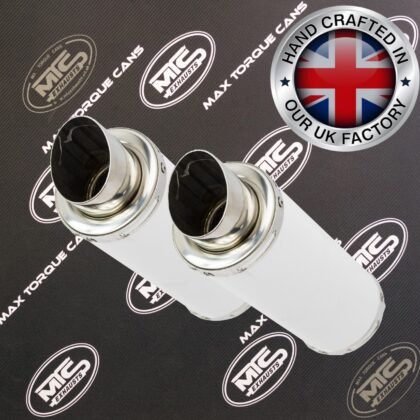

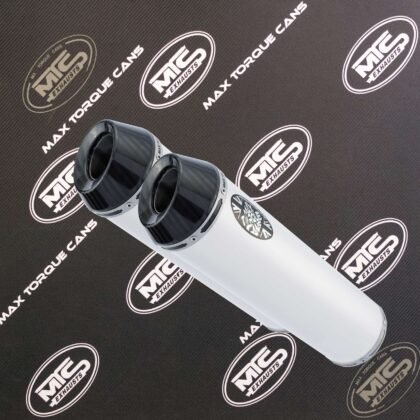
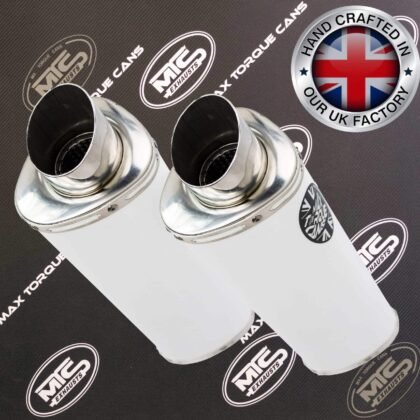

























YAMAHA FJR1300 2001- 2021
Price range: £302.00 through £763.00
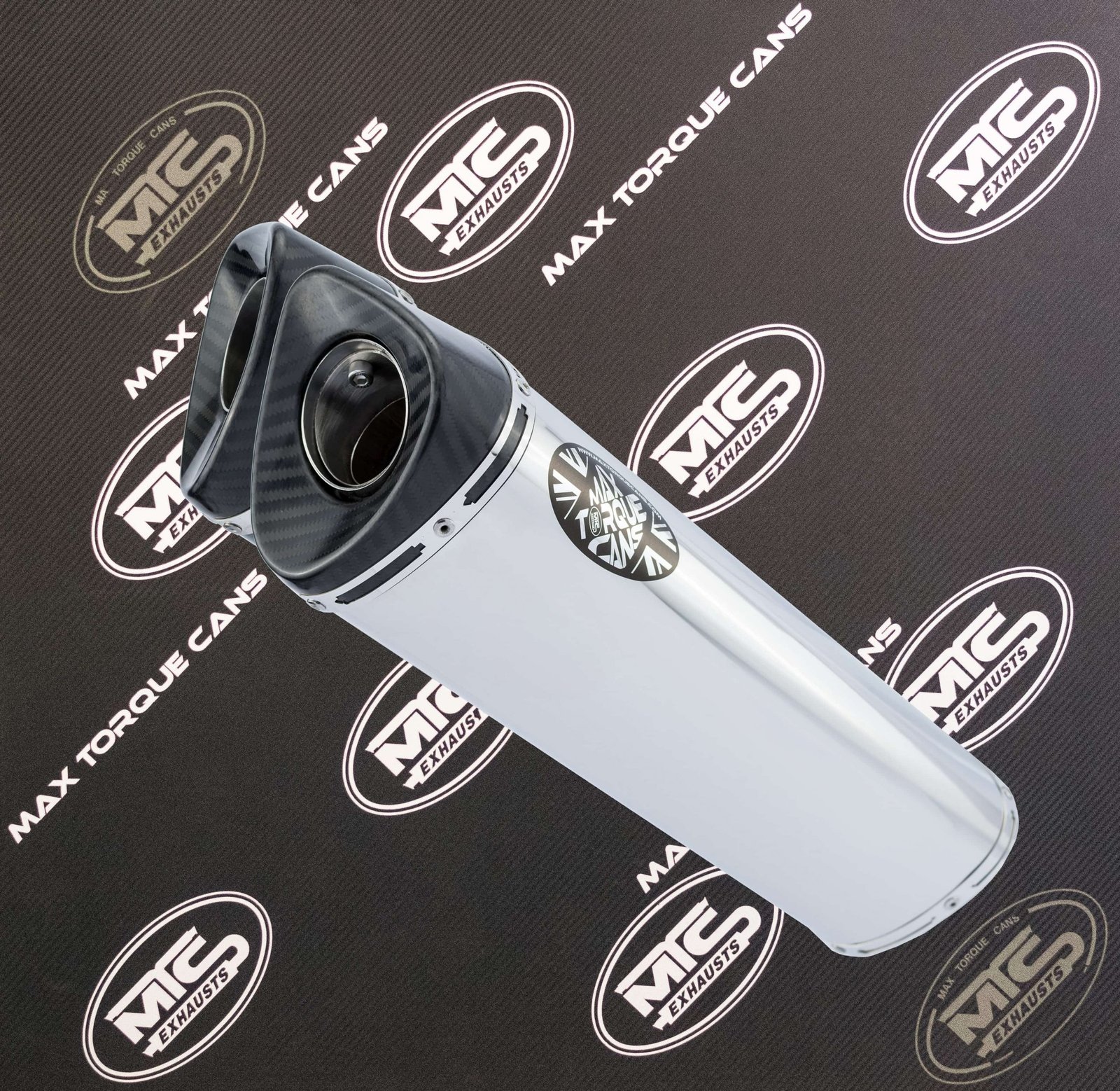
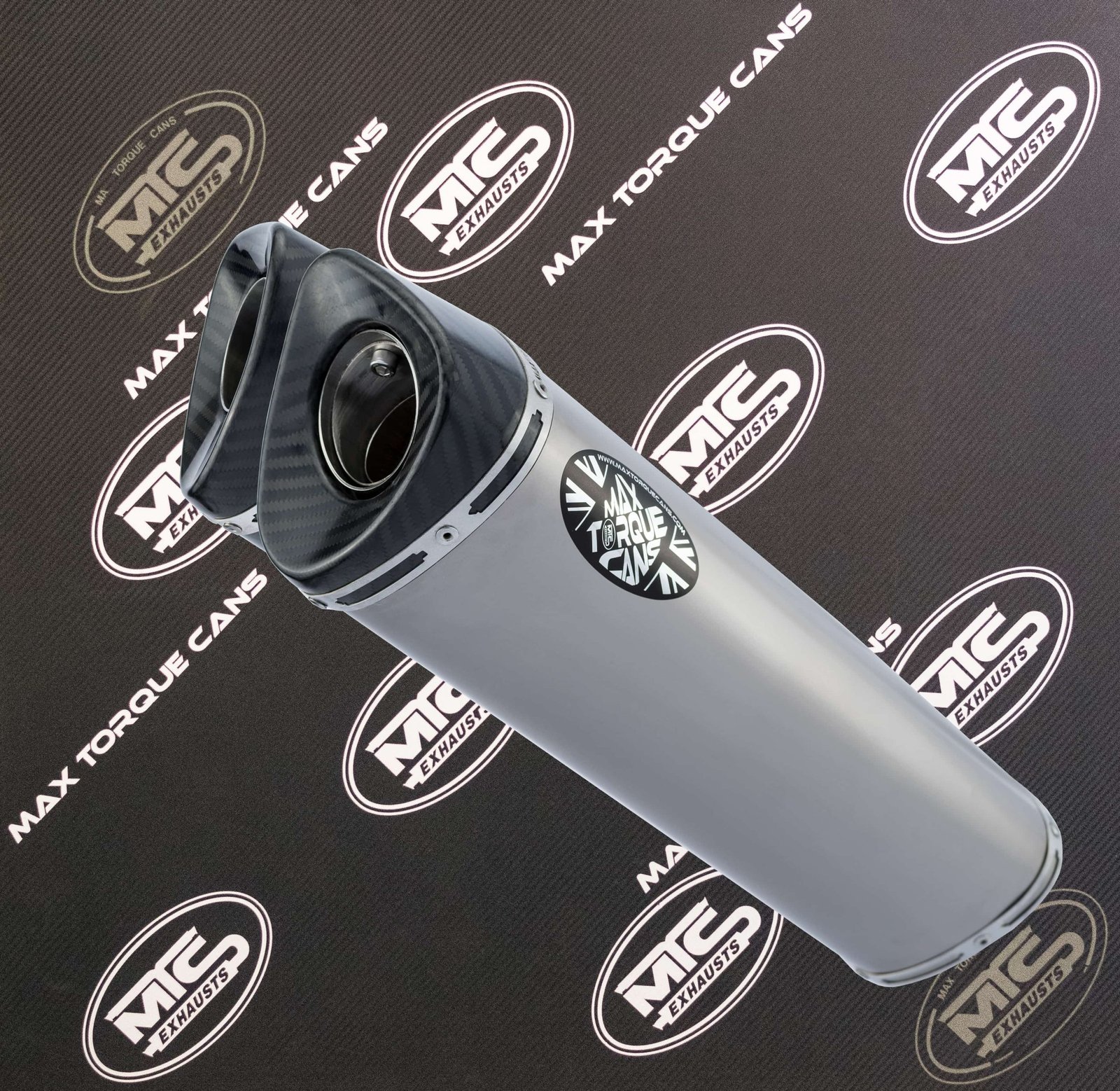
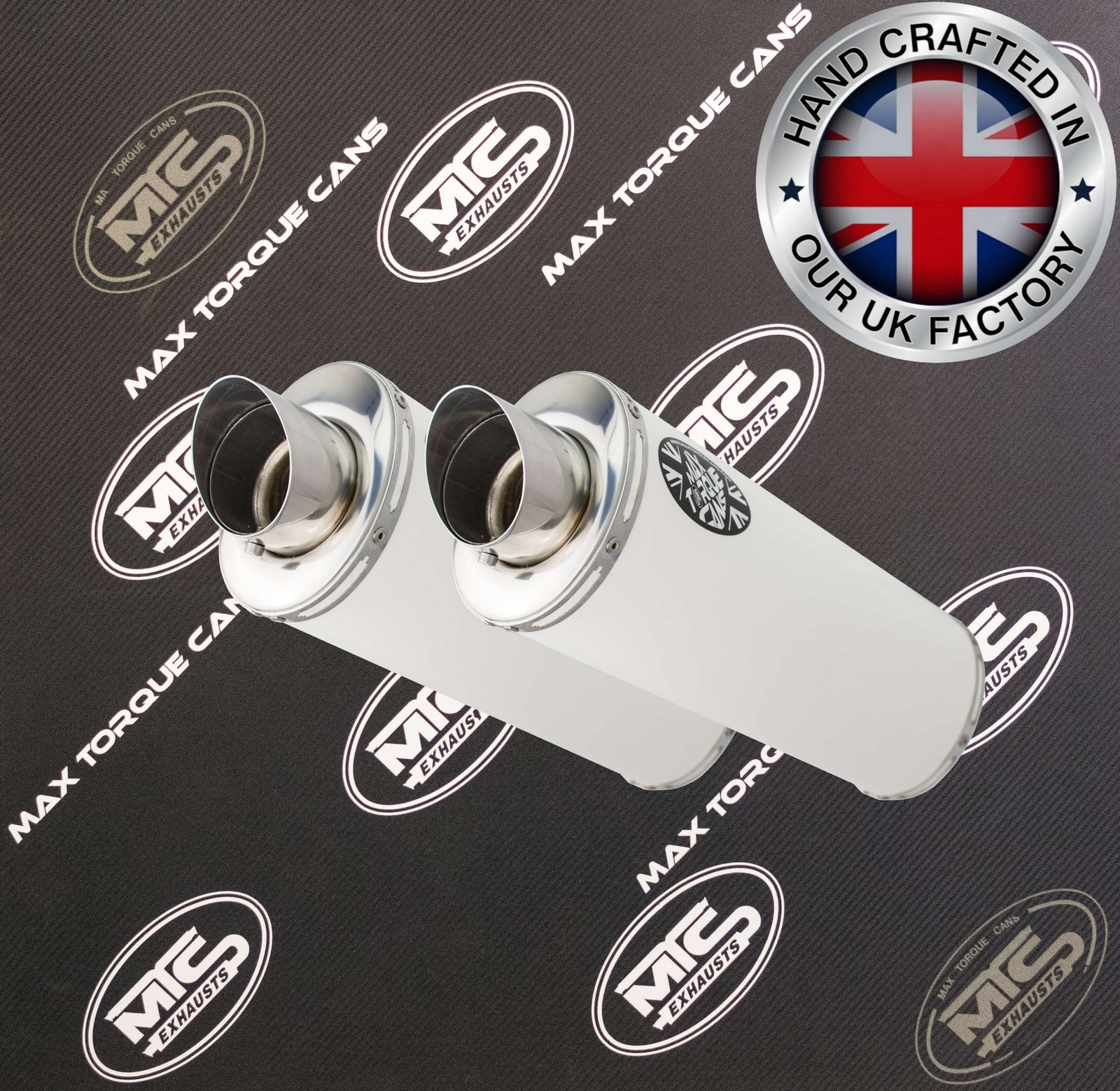
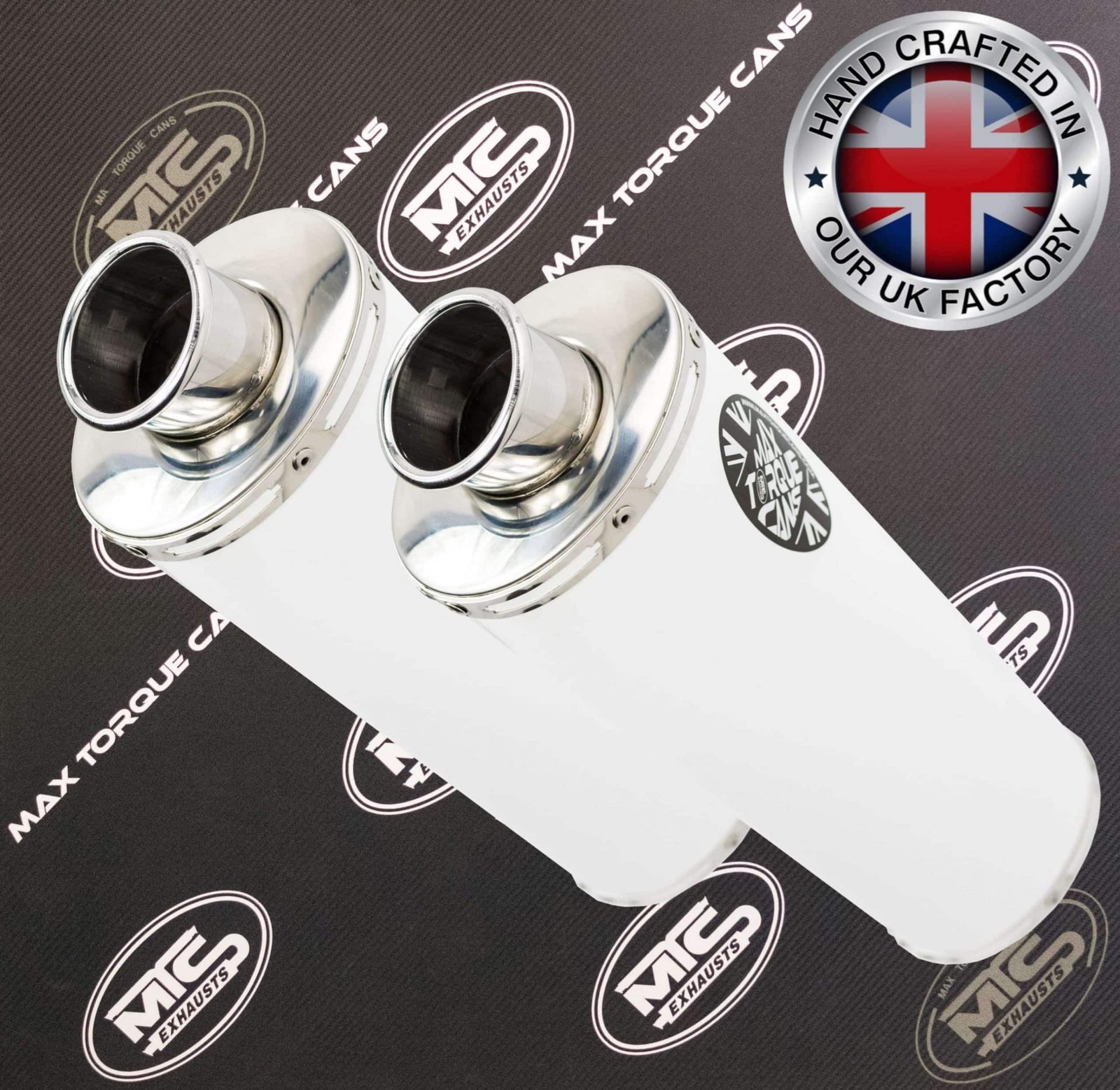
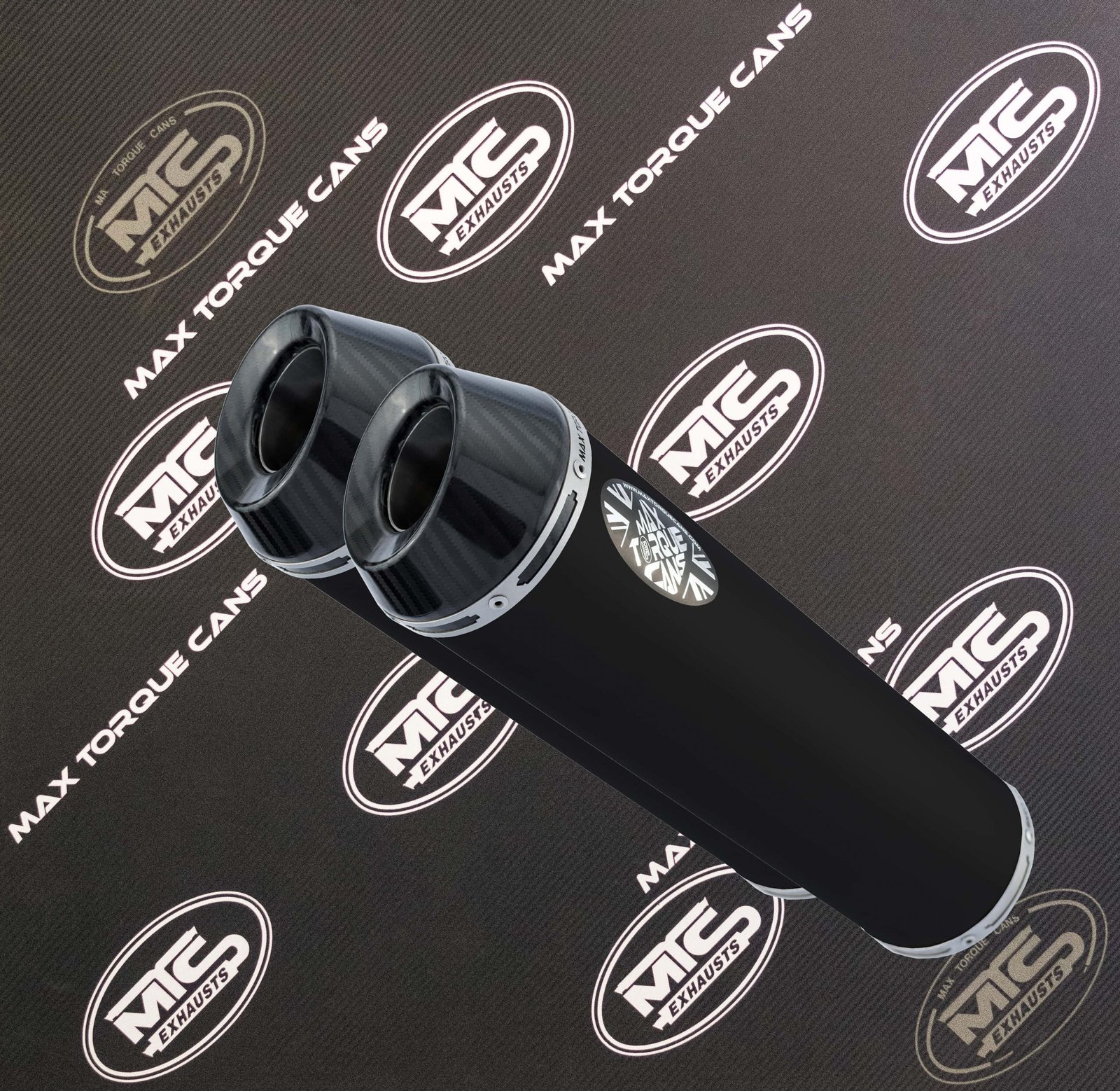
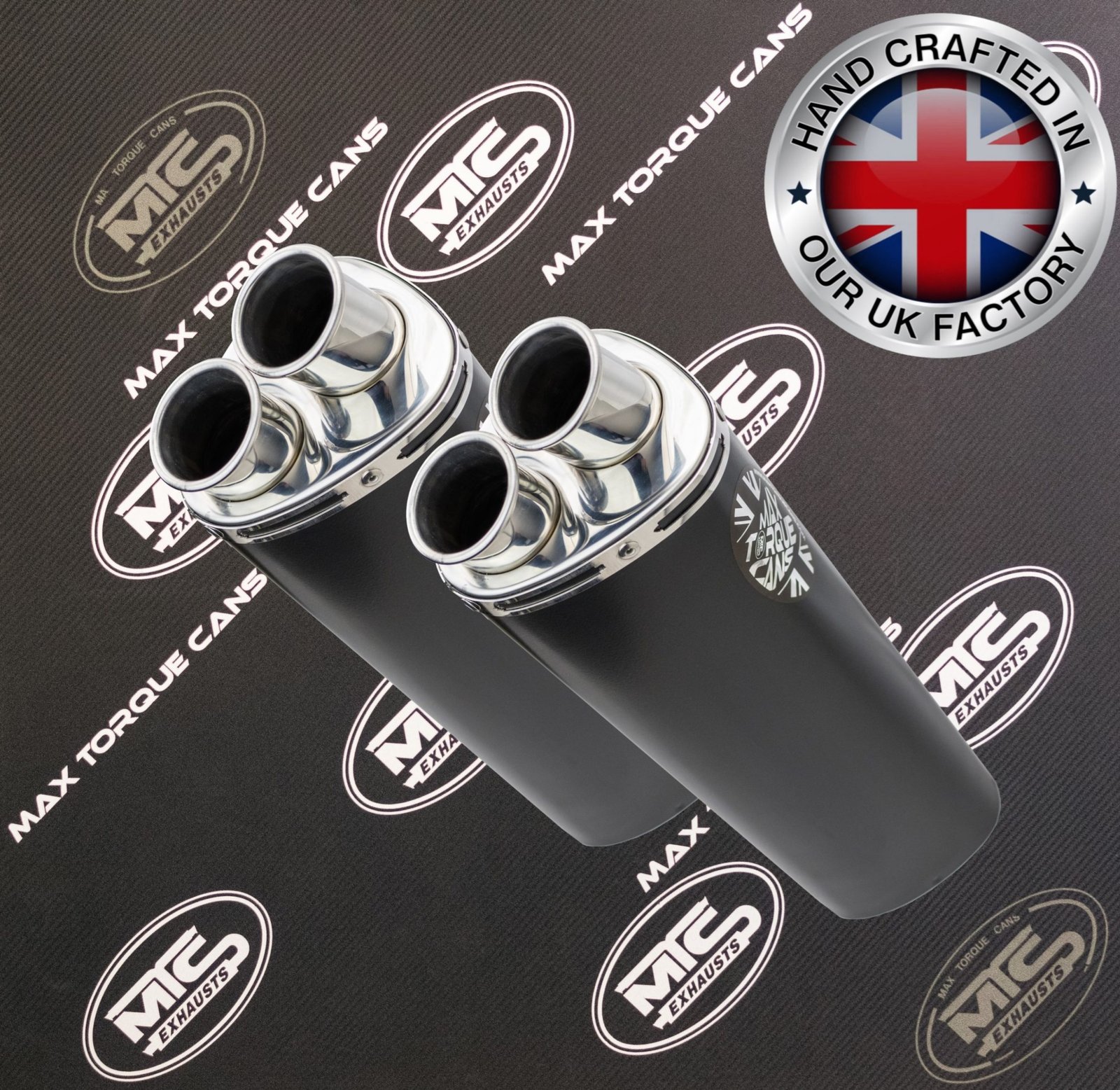
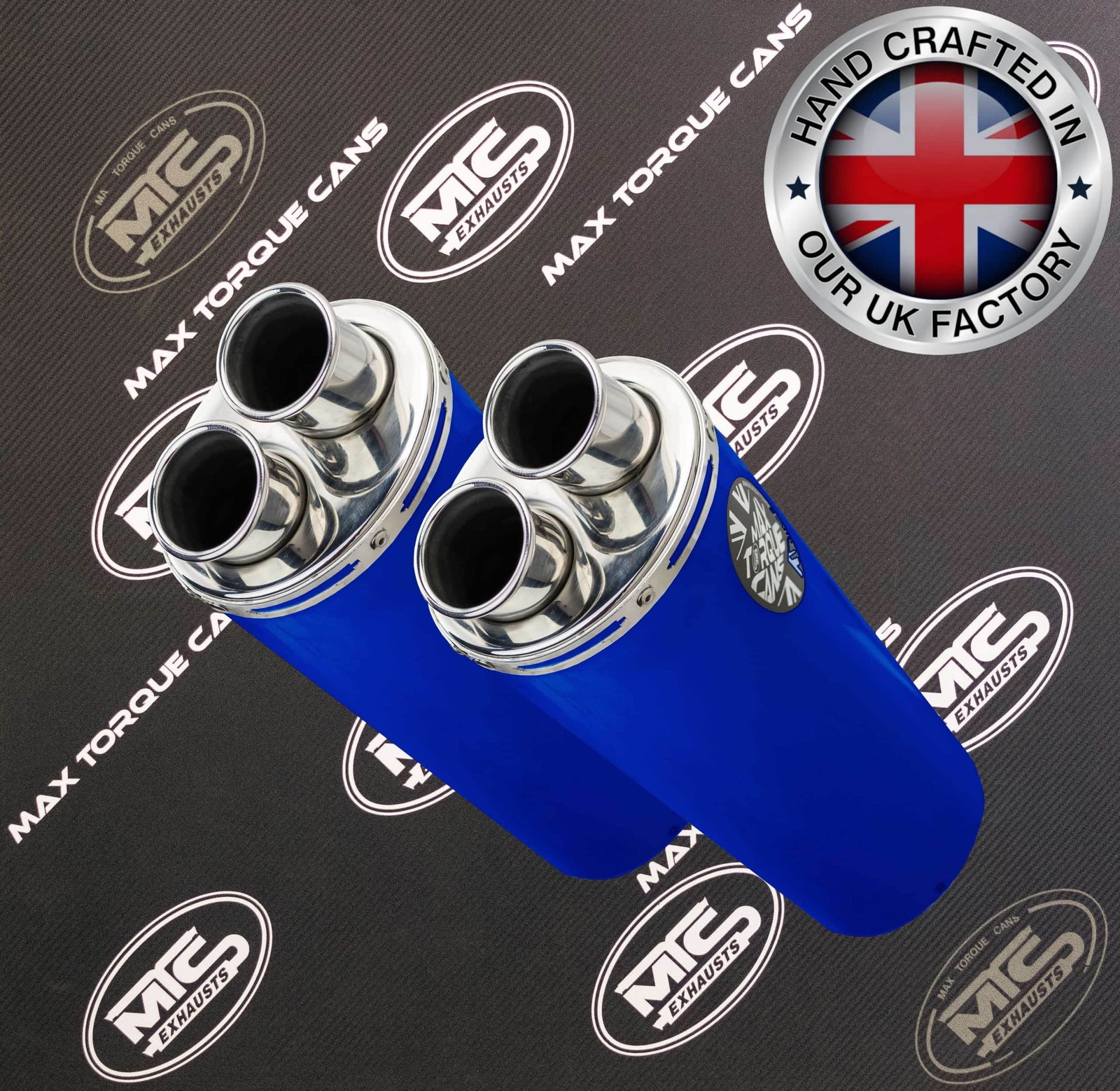
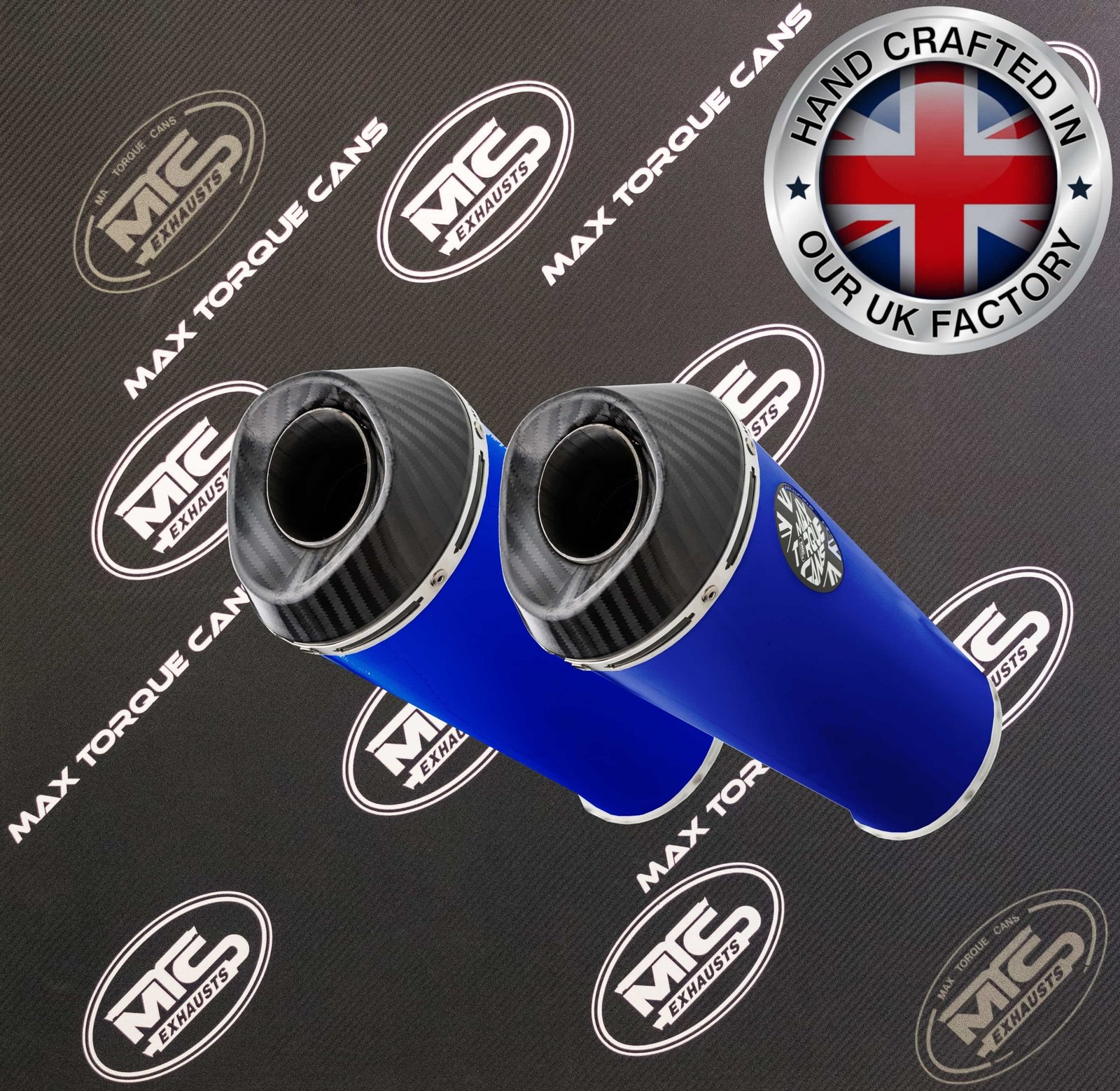
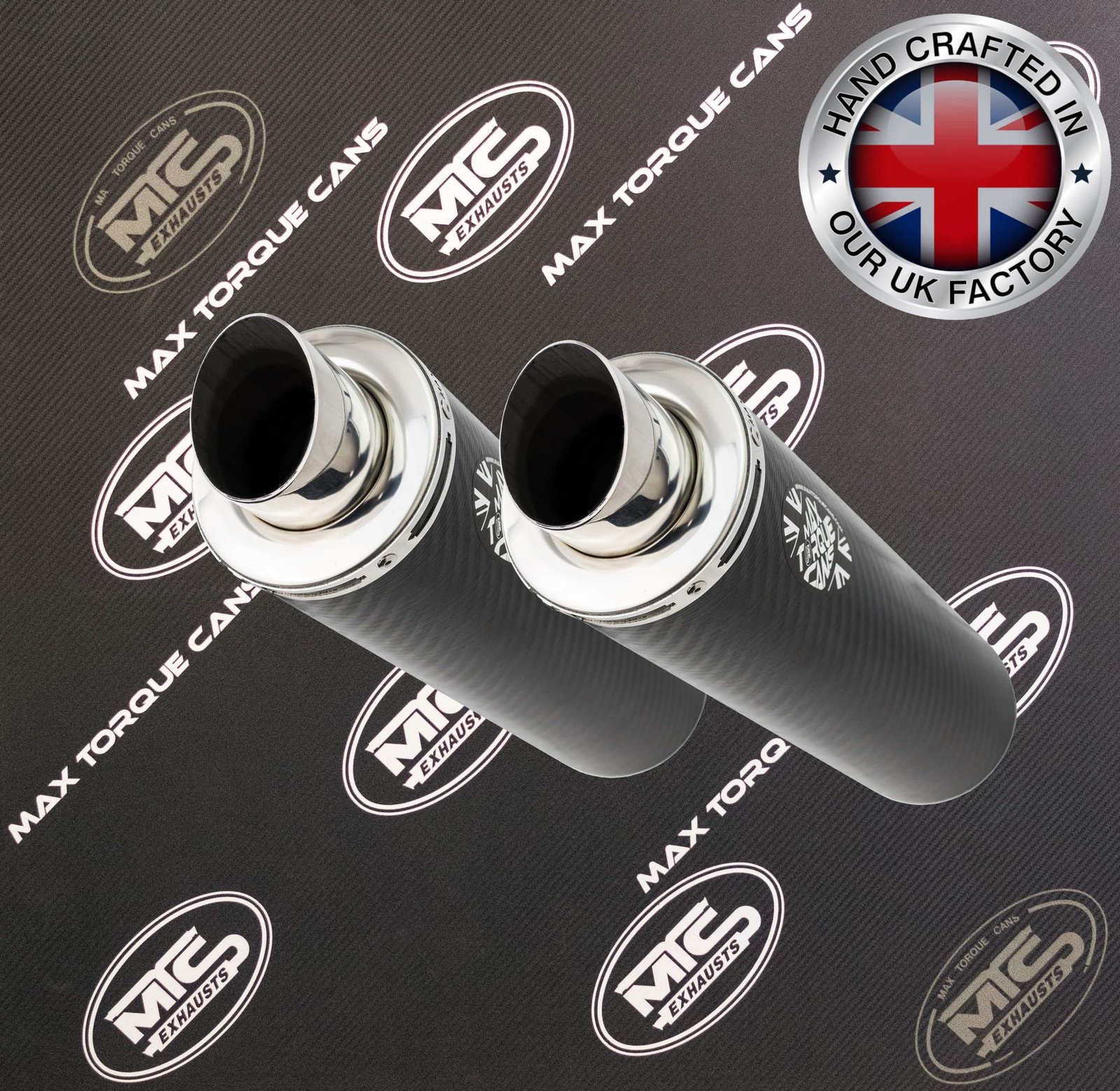
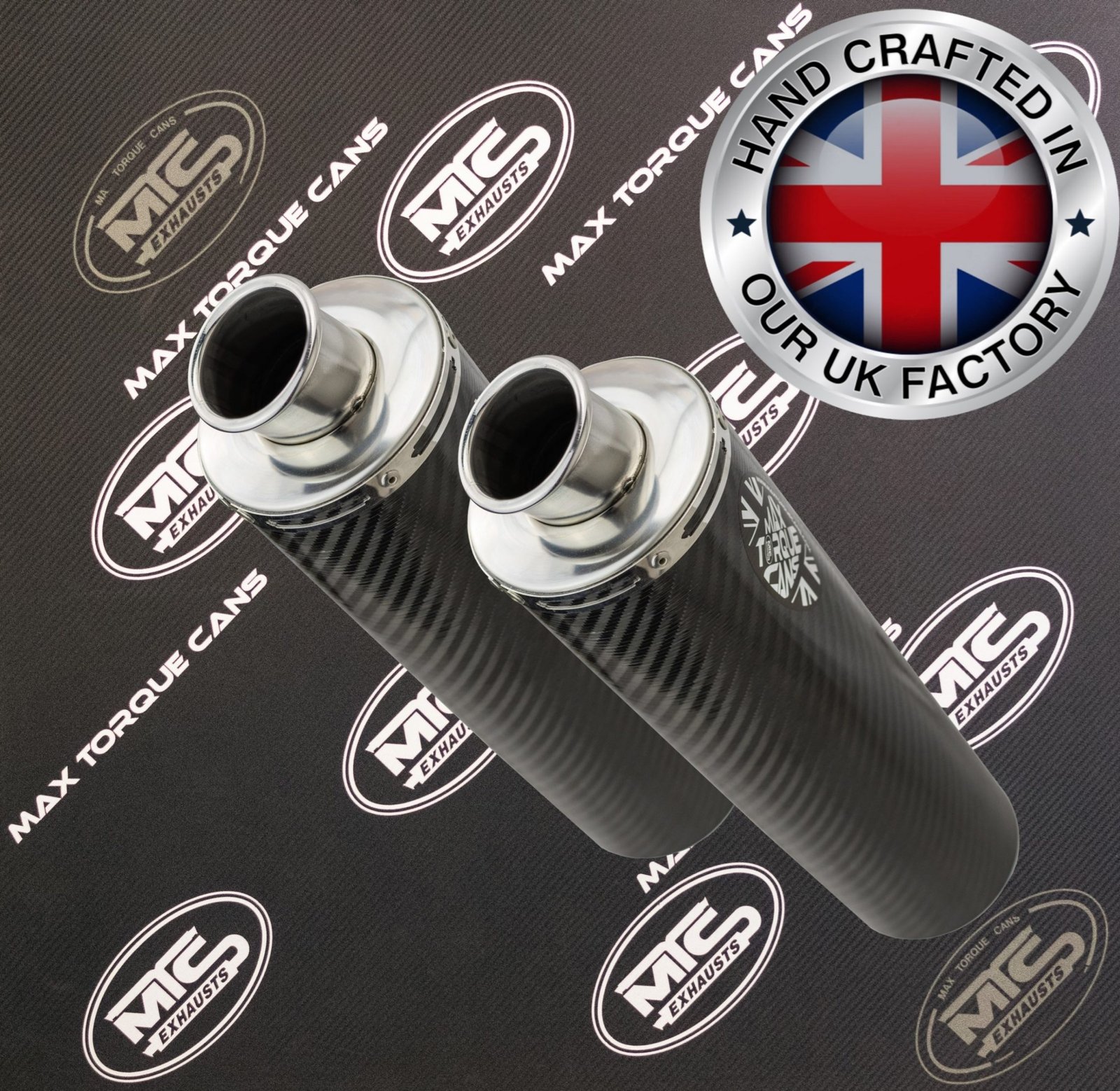
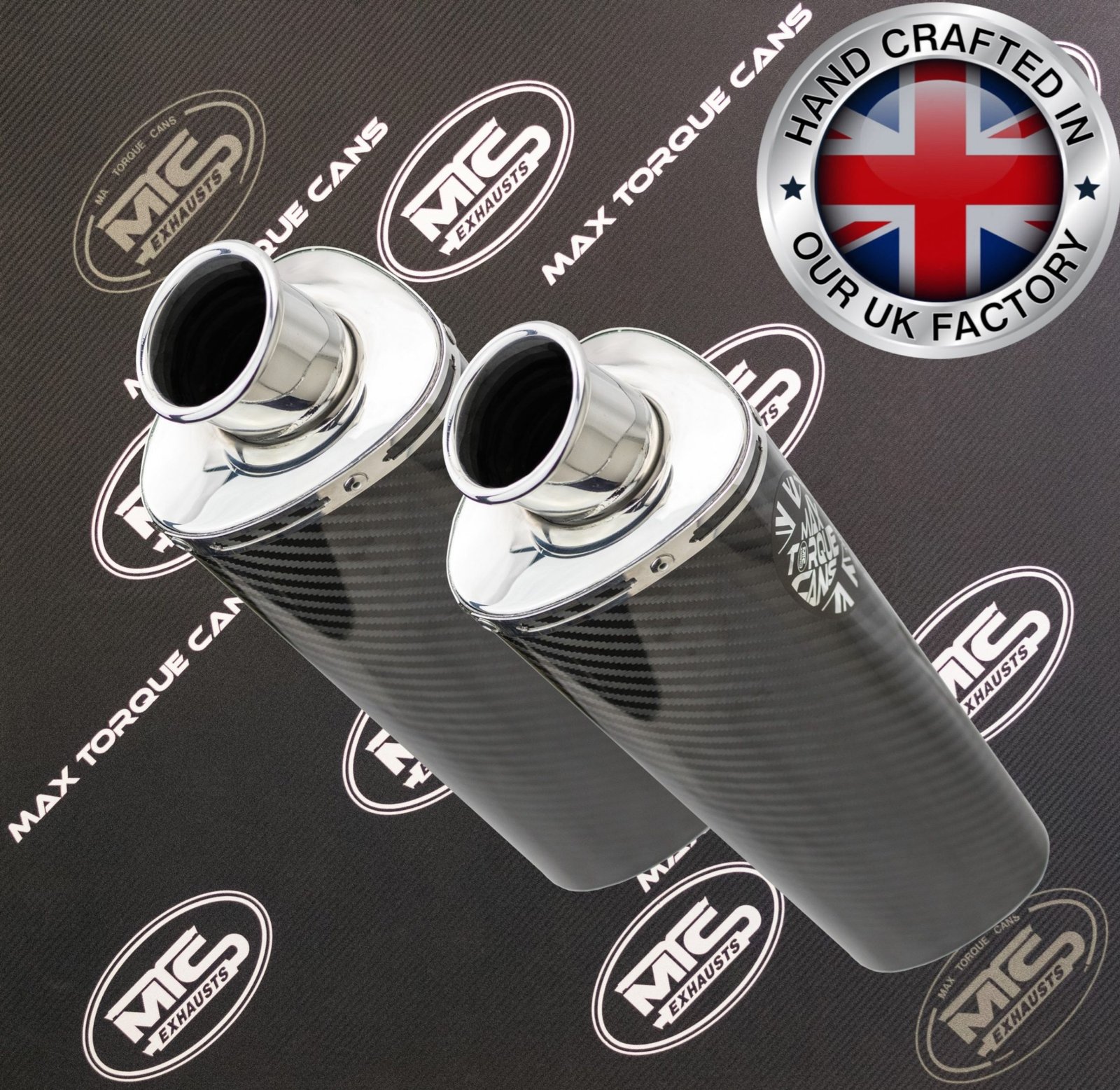
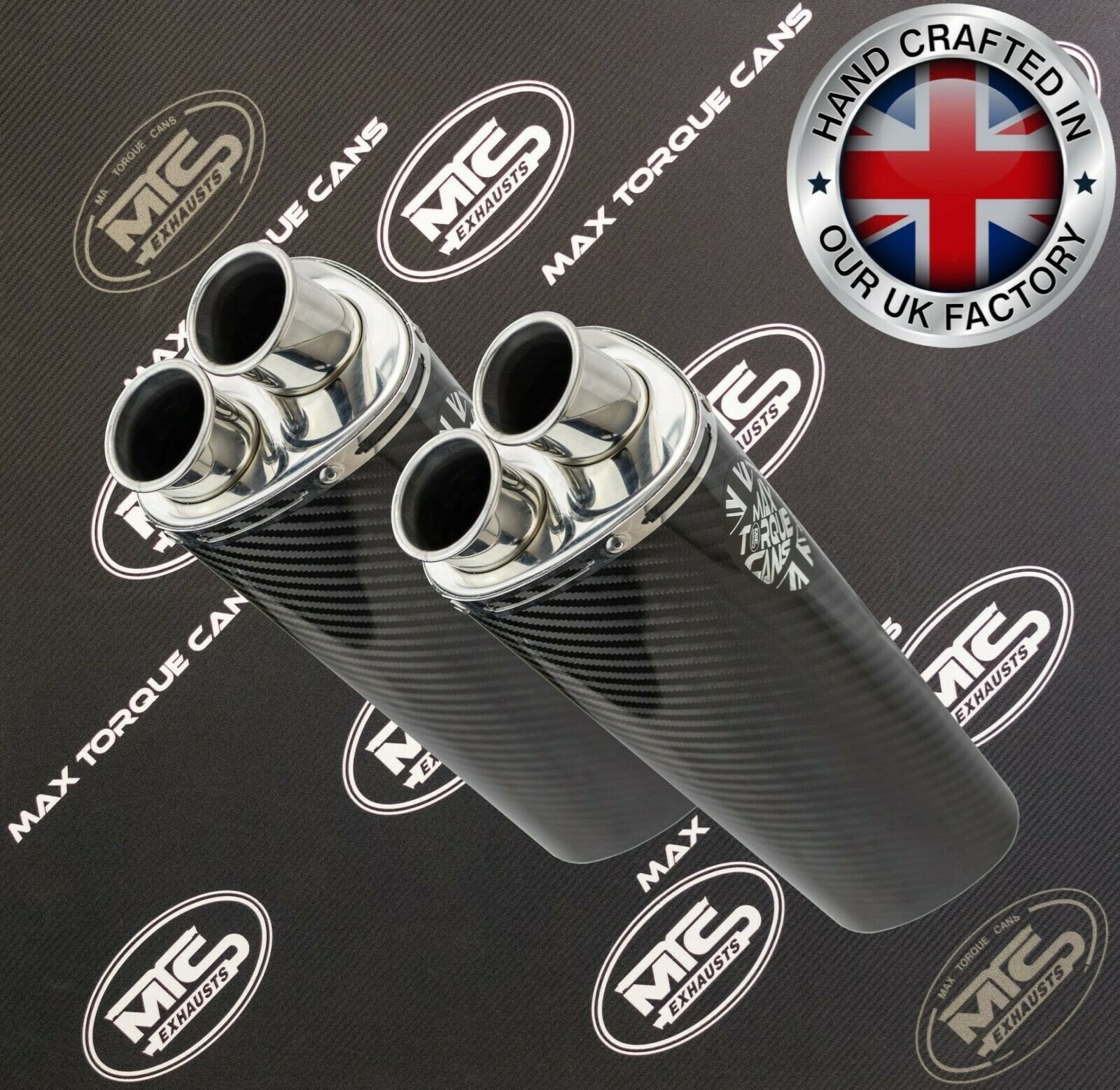
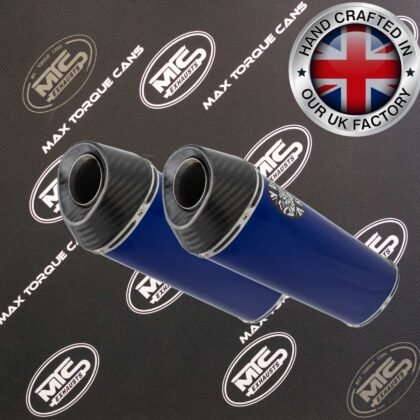
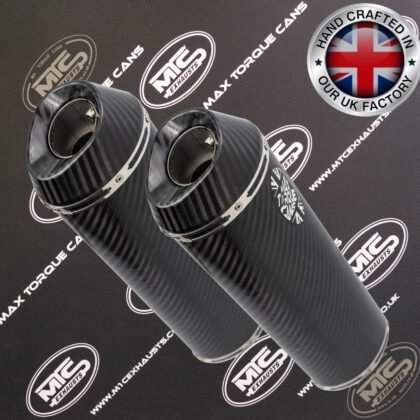
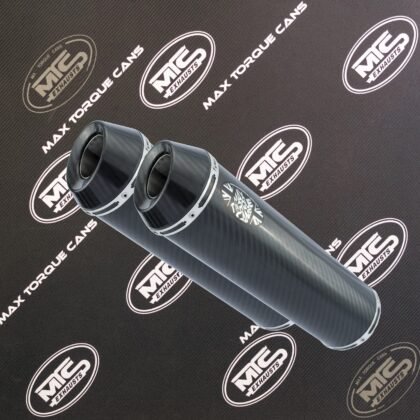
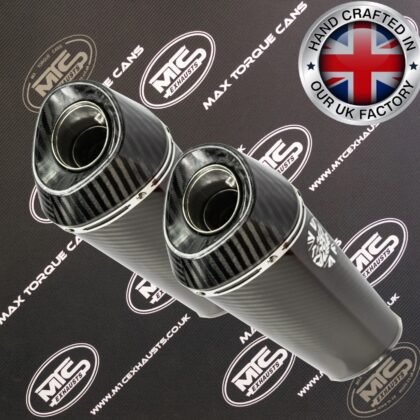
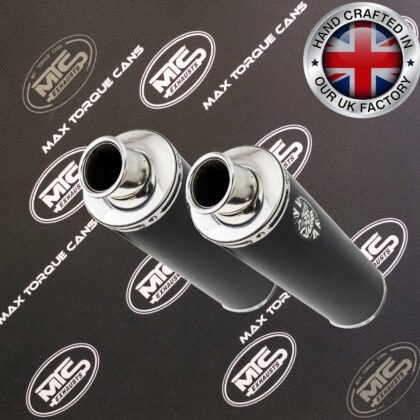
This motorbike exhaust is for the YAMAHA FJR1300 2001- 2021 and comes with link pipe fittings,
2 x Stainless 304 Cnc Mandrel bent link pipes
2 x Stainless Exhaust Straps
2 x Exhaust Strap Rubbers
This exhaust is made to fit straight to the standard OEM downpipes.
Click on the link for pics

YouTube Link


Pinterest link eBay Shop Facebook Twitter Instagram Google My Business





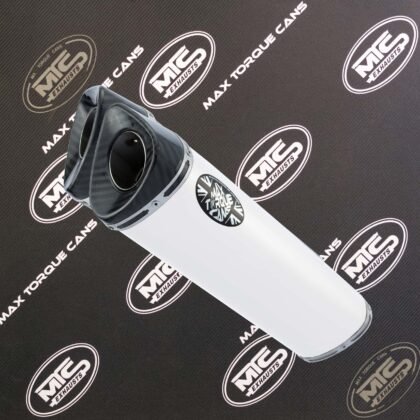
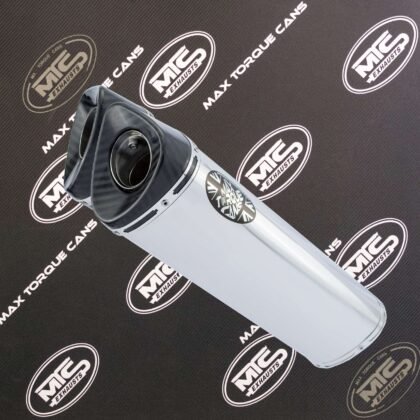
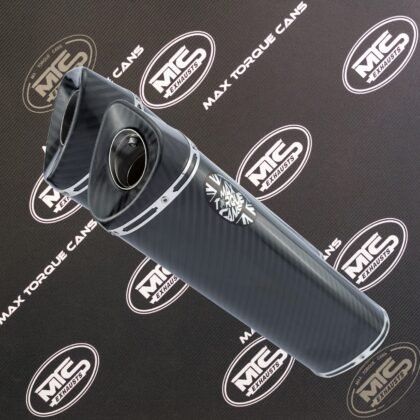
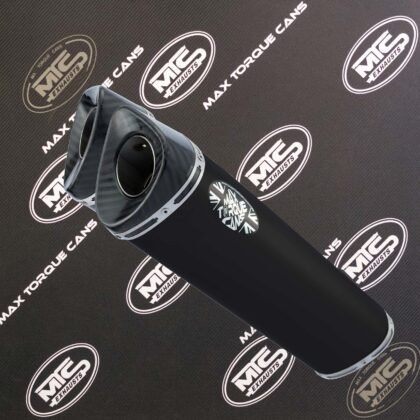
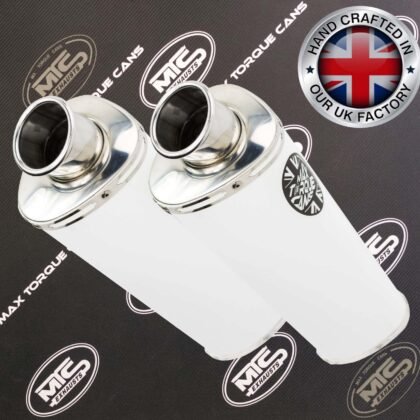
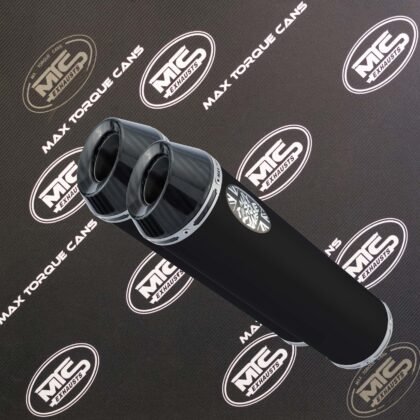
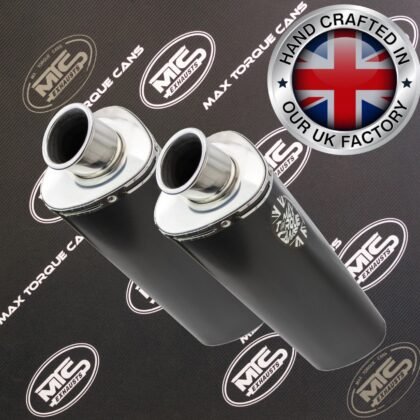
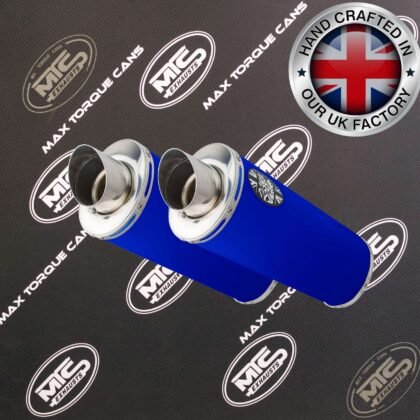
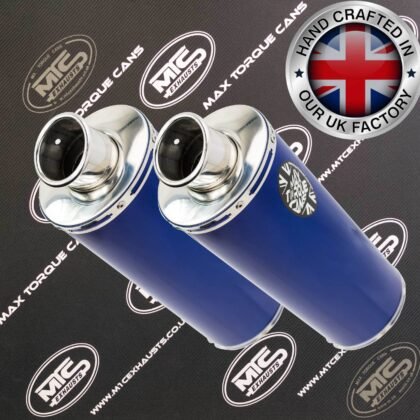
| Material | White, Polished Stainless Steel, Satin Stainless Steel, Titanium, Carbon, Black, Blue |
|---|---|
| Shape | Round GP, Oval, Round, Tri Oval |
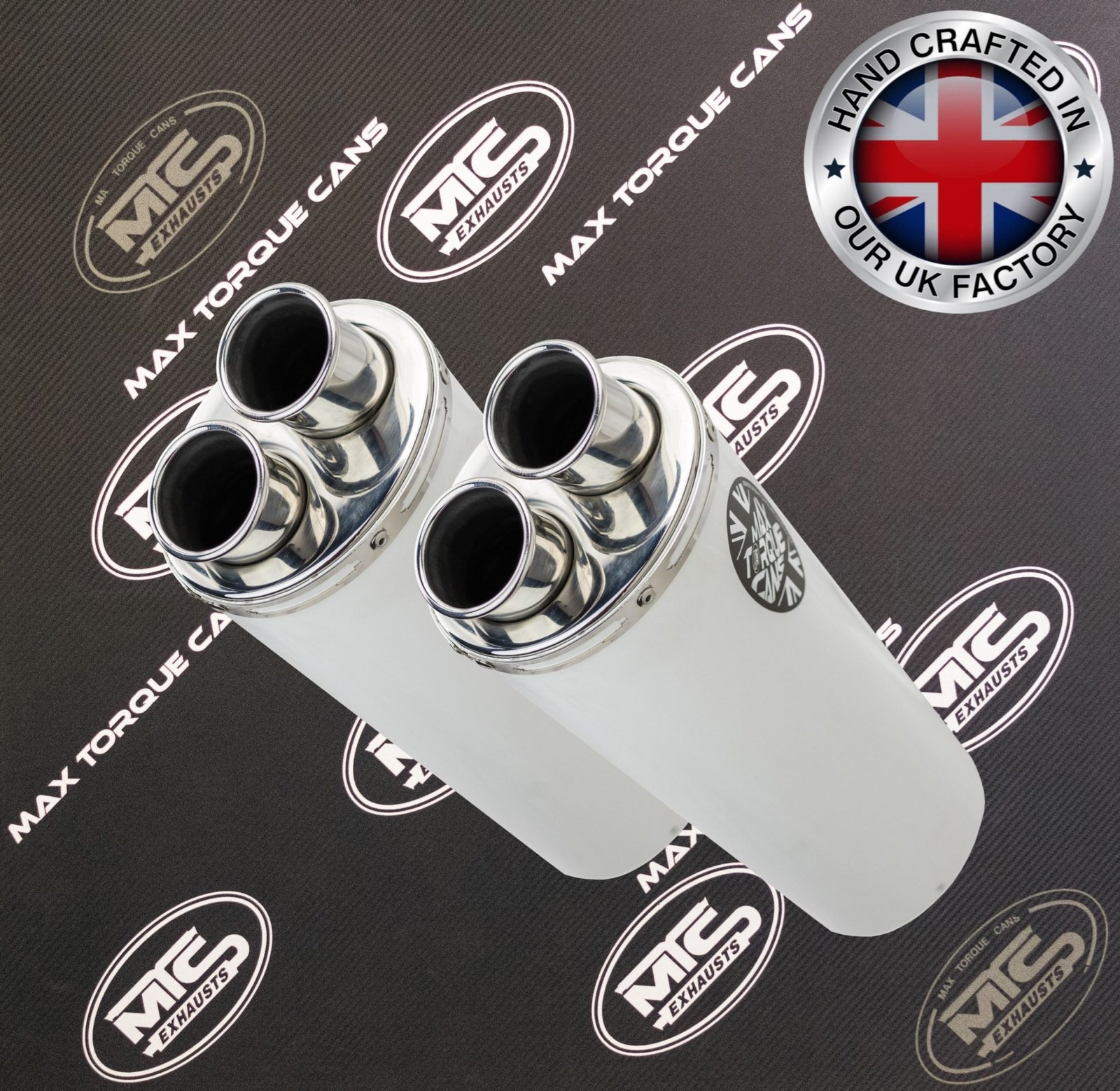
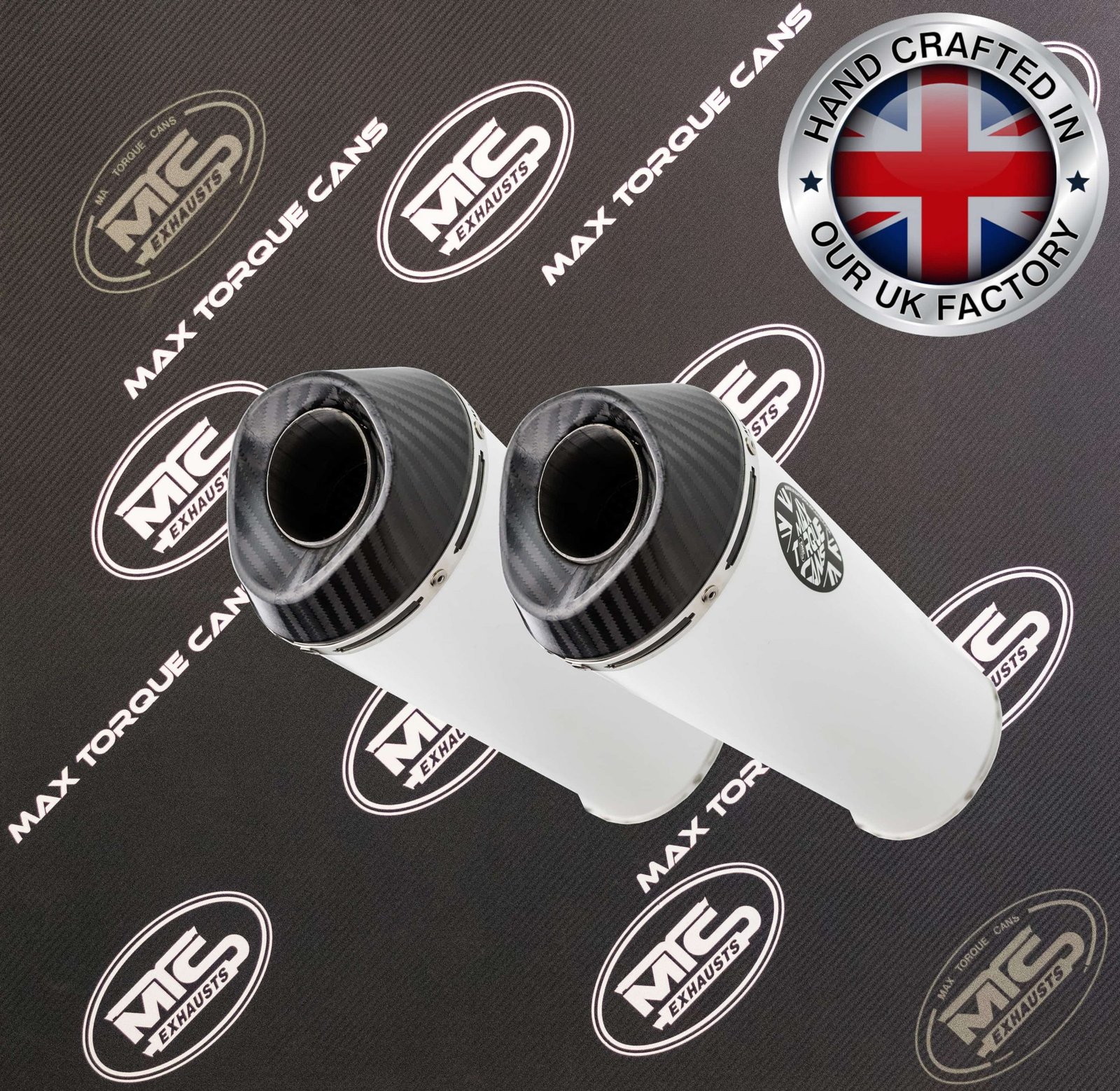
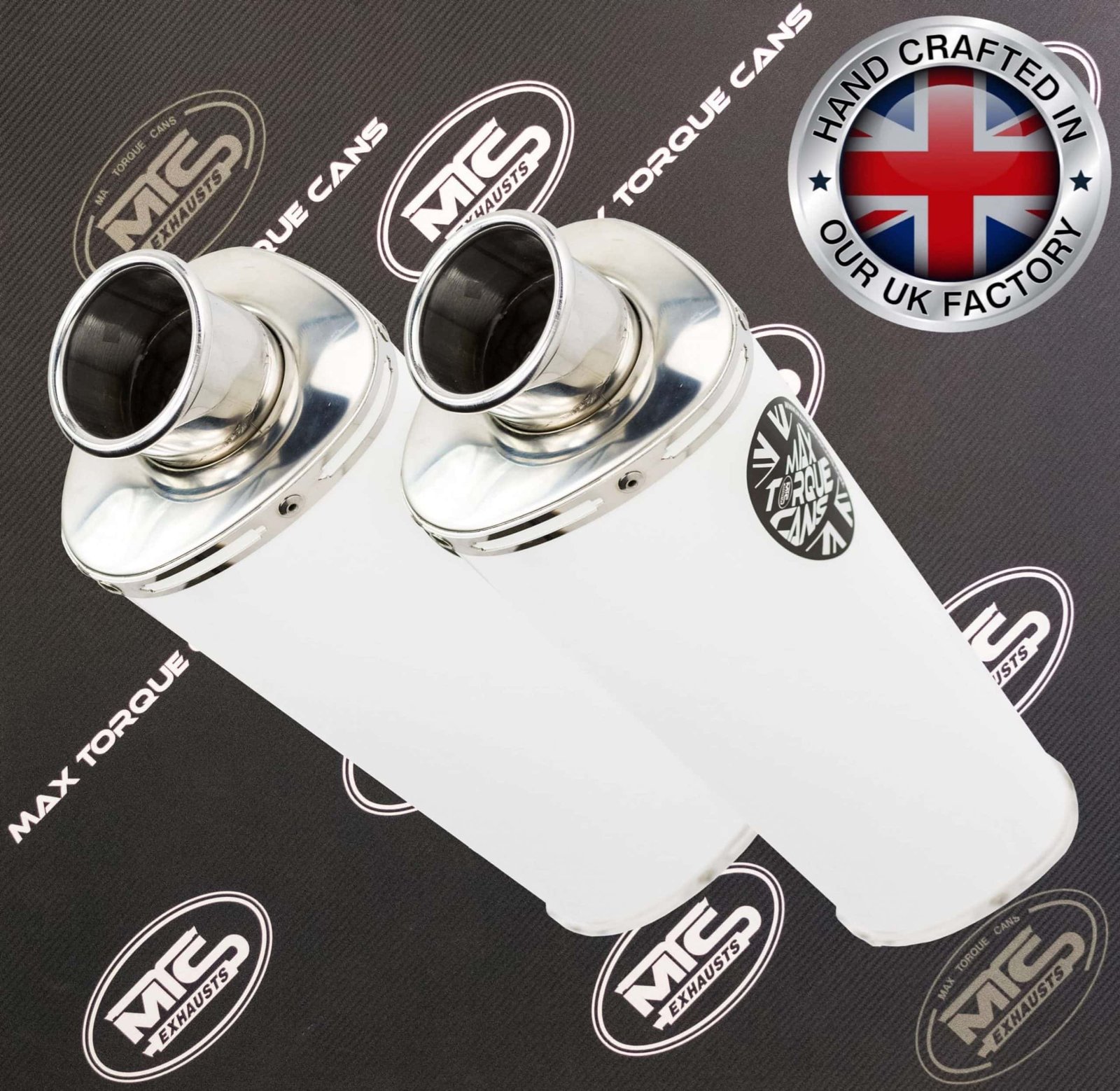
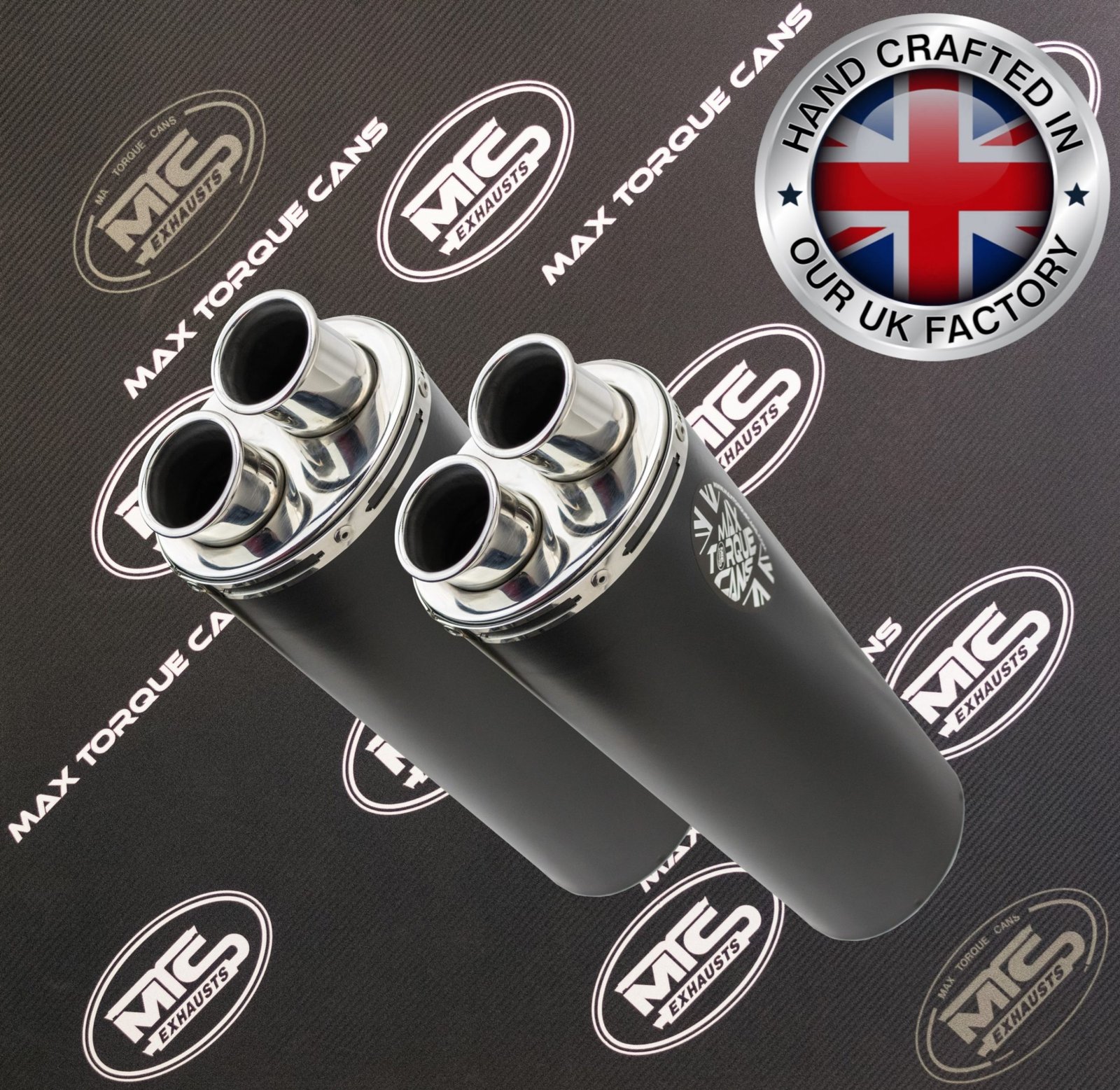
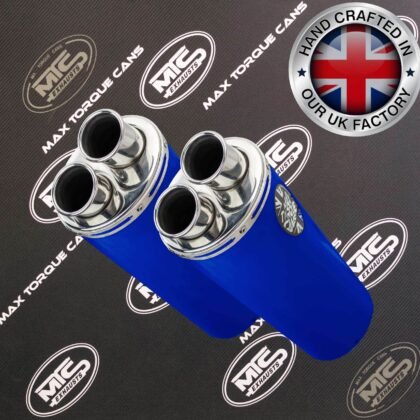
| Outlet | Evo Outlet, GP Pro Outlet, Single Outlet, Twin Outlet, Carbon Outlet |
| Type | Race, Road Legal |
Outlet
 |
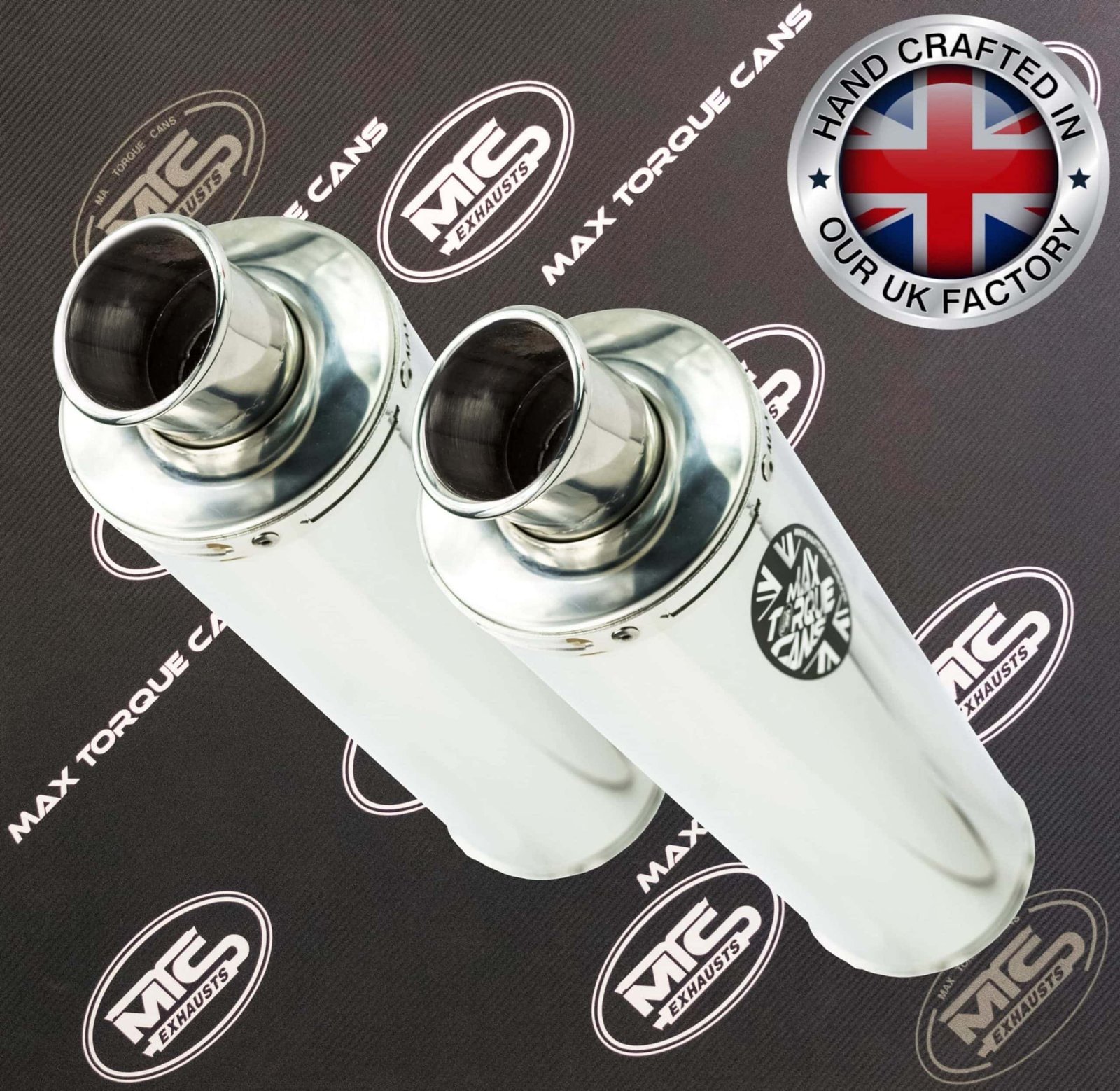
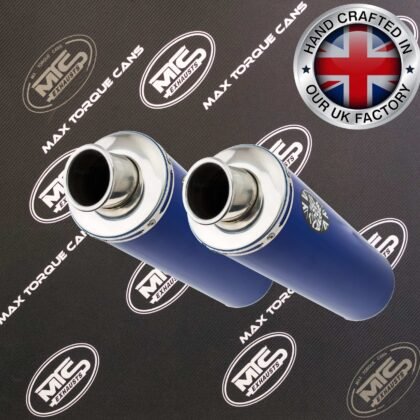
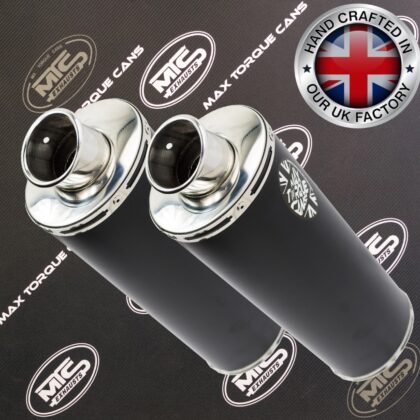
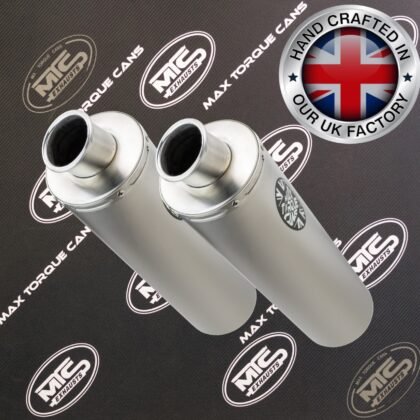
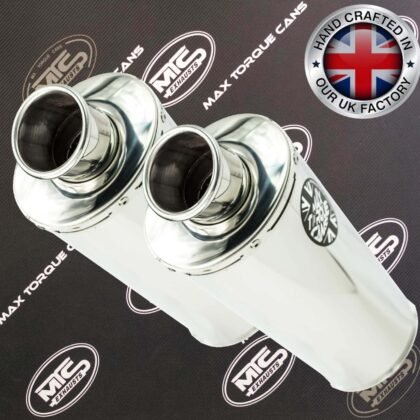
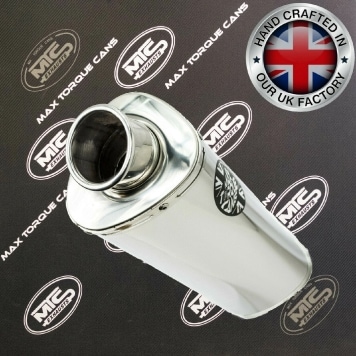
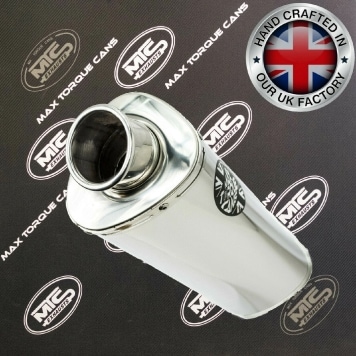
Single Outlet – single 54mm diameter rolled outlet. Best performing outlet in a road-legal /race. Simple and effective. |
 |
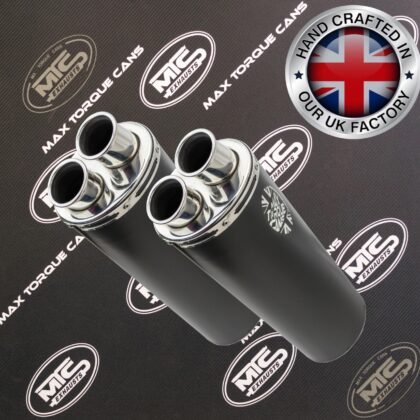
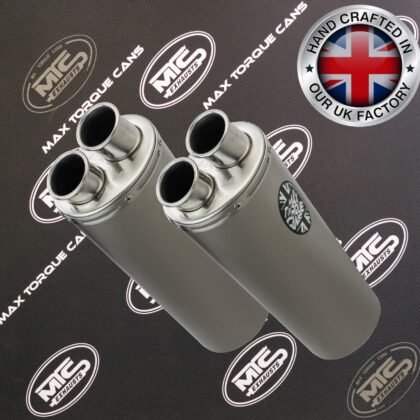
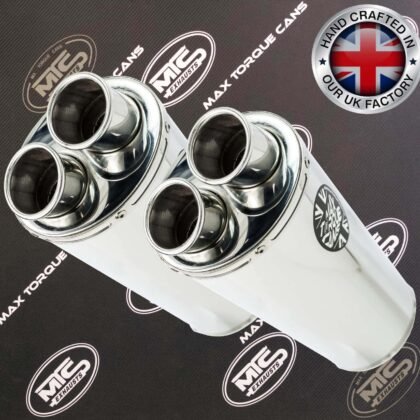
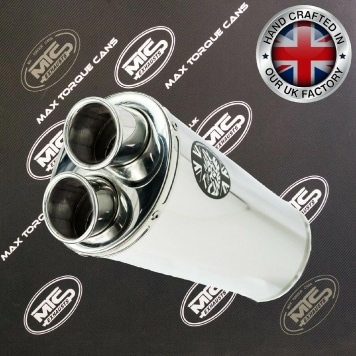
Twin Outlet – twin 40mm diameter rolled outlets. This has the ‘best of both worlds’, quieter than the single outlet with baffles inserted, and Louder than the single outlet with the baffles removed. (Both outlets working in the road-legal form). |
 |
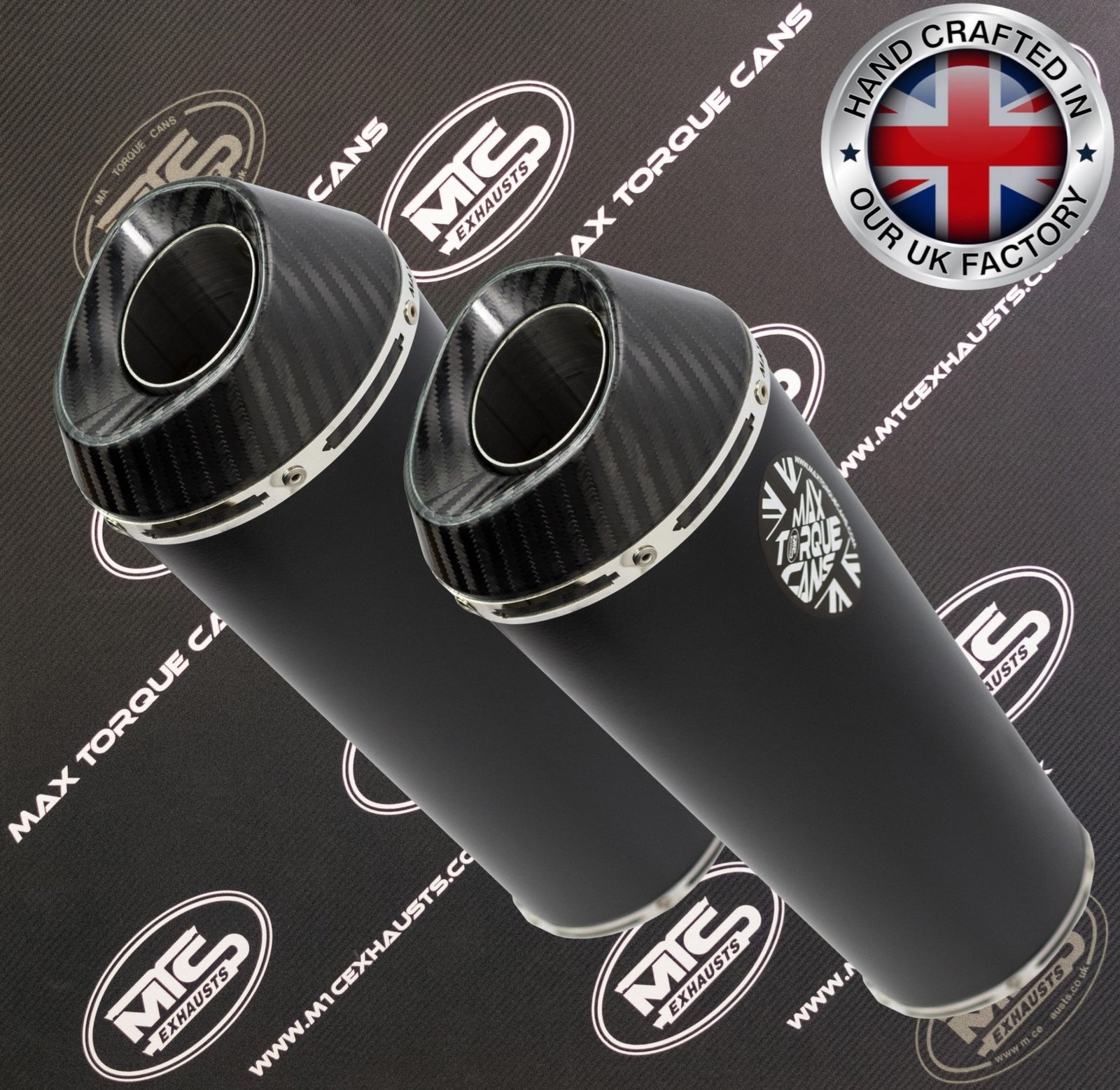
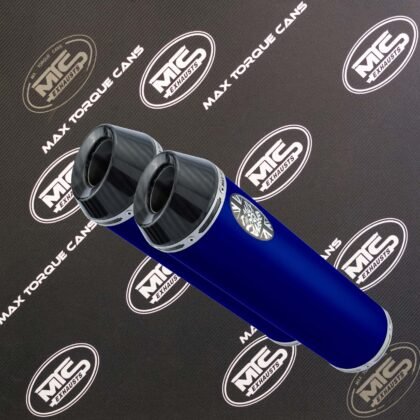
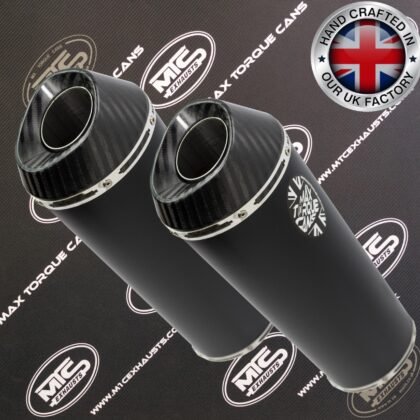
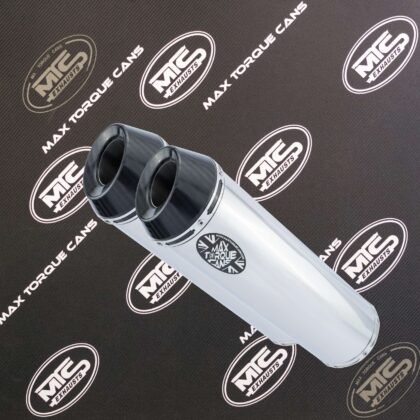
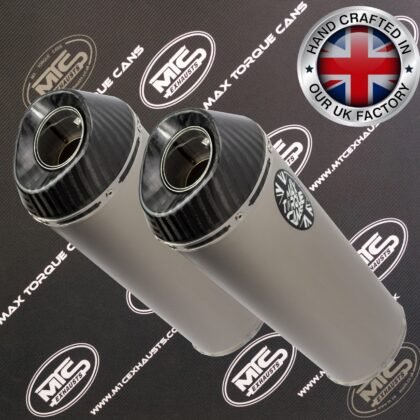
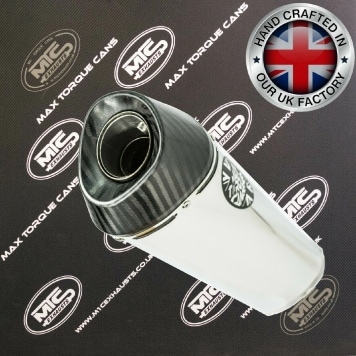
Carbon Outlet -Our superior outlet range with a choice of a smooth, sleek Oval, ultra-modern Tri-oval, and now our all-new for 2020 Round outlet. These outlets give your exhaust the distinctive, expensive finish without the expensive price tag. |
 |
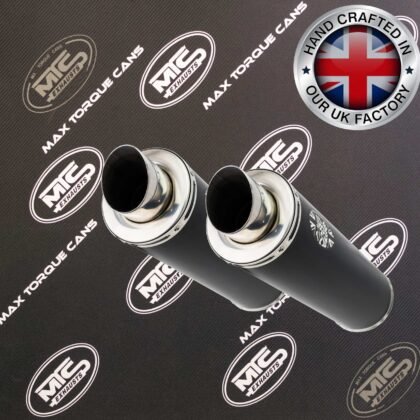
GP Pro Outlet – Comes with a large 63mm diameter slash-cut finish, and can come with and without road-legal baffles. |
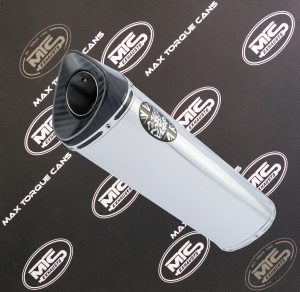 |
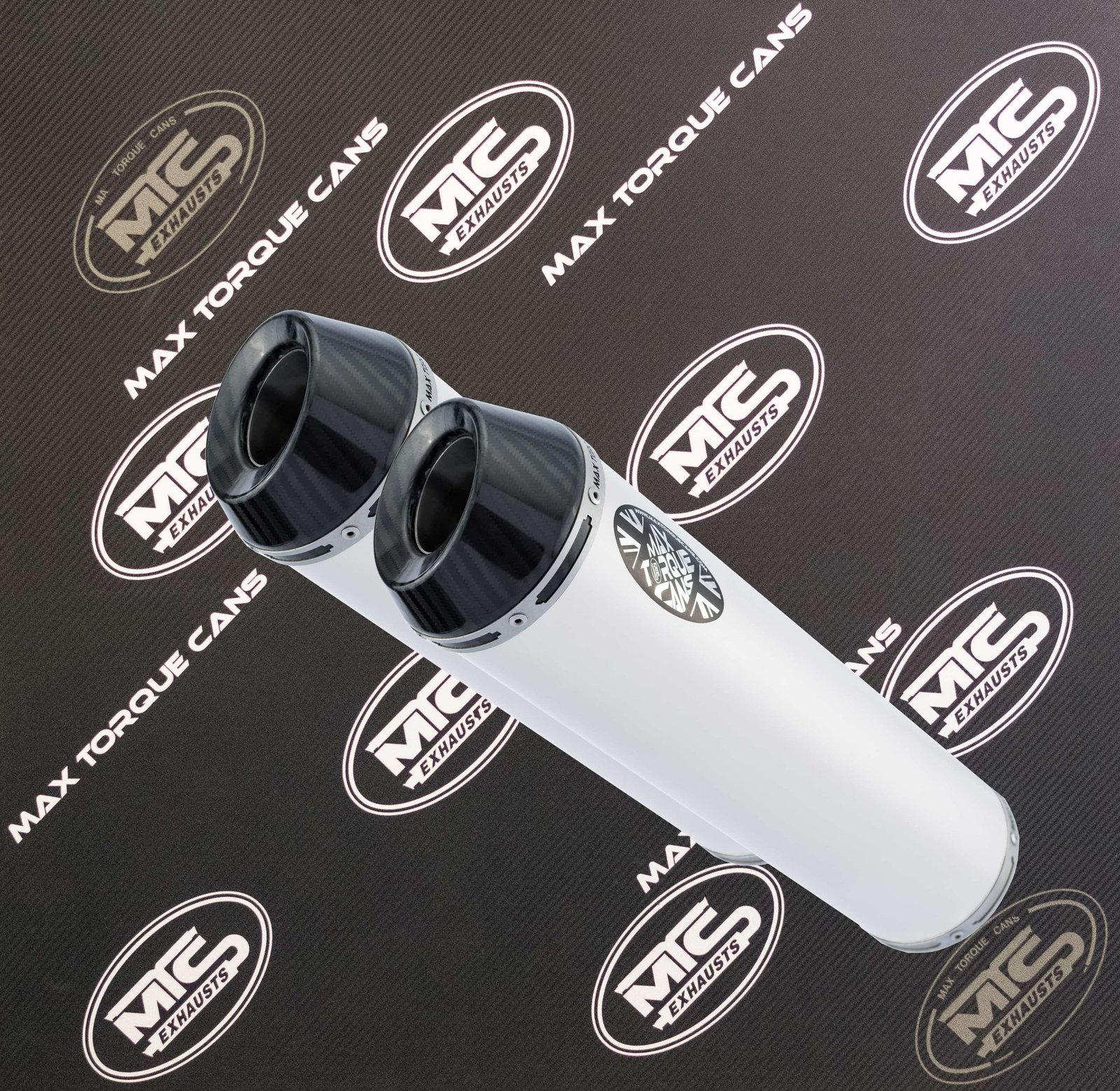
The Evo Outlet – Is a new, modern 2020 design. The sleek, tapered lines compliment any road – track or race bike |
Materials
Our Exhausts are internally constructed in stainless steel and the outer sleeve can be made in stainless steel, titanium or carbon fiber. MTC ONLY uses the best grade materials.
 |
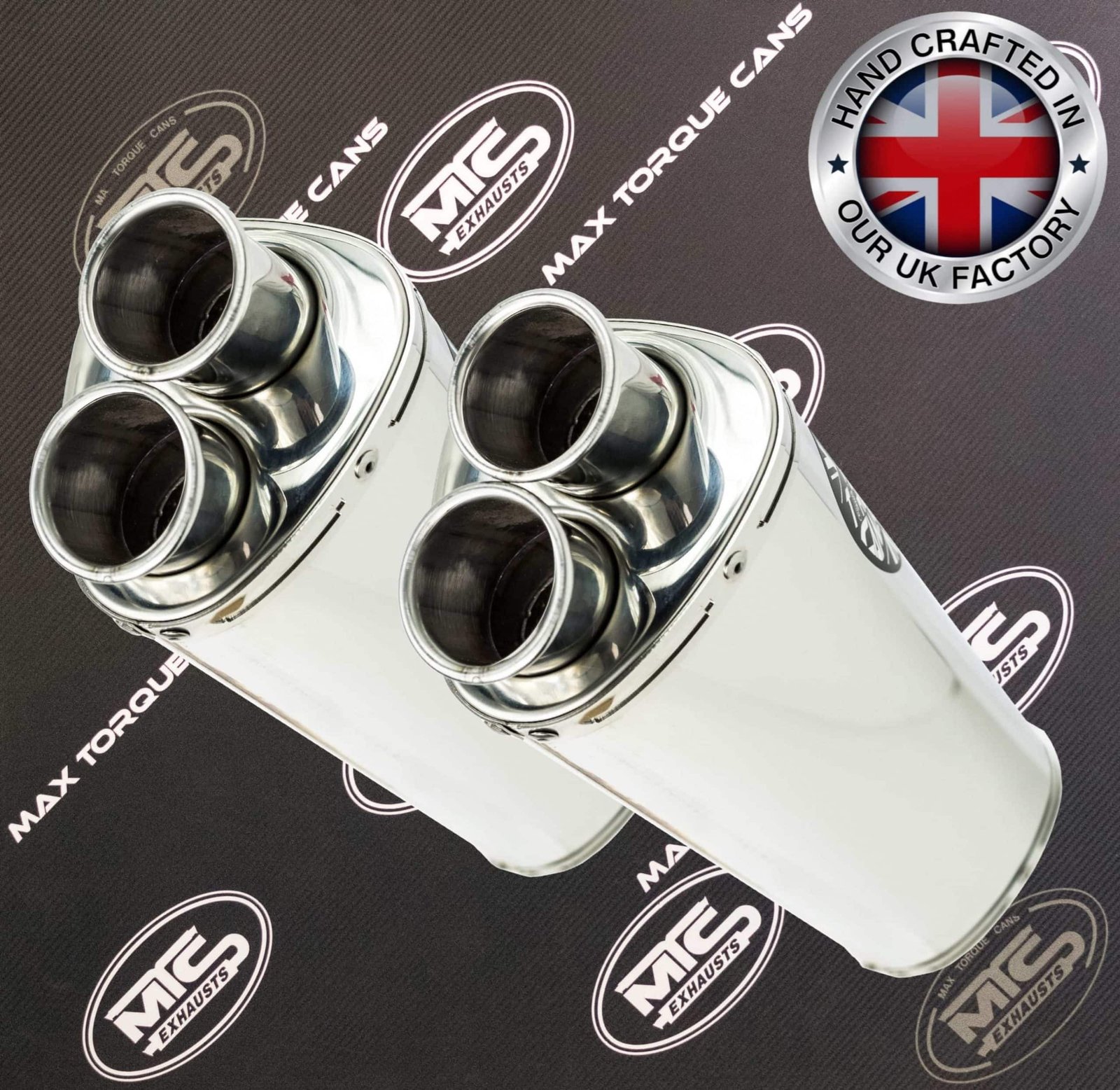
Polished Stainless Steel – Grade T304 + T409 (a single slip-on exhaust normally weighs 1.9 kilos). |
 |
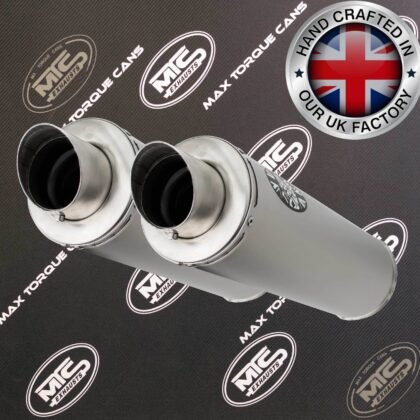
Satin Stainless Steel – Grade T304 + T409 (a single slip-on exhaust normally weighs 1.9 kilos). |
 |
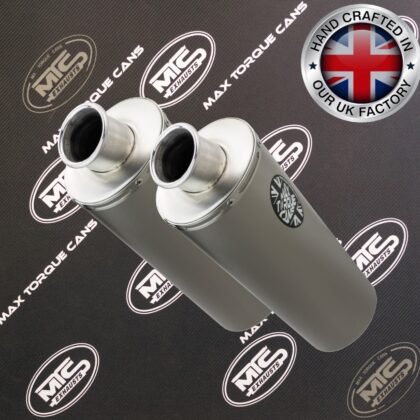
Titanium – Grade 2 + 3 mill finish (a single slip-on exhaust normally weighs 1.7 kilos). |
 |
Carbon Fibre – 4 x 4 twill prepreg autoclave cured, foiled lined (a single slip-on exhaust normally weighs 1.2 kilos). |
Our coloured exhausts have stainless steel sleeves that are painted prior to assembly. The item is electrostatically coated with high-grade polyester powder and cured at 200º-220º deg C giving a durable, smooth and U.V. resistant finish with excellent colour retention. Colours available are matt black, gloss white and gloss blue.
Shape
 |
Round GP – Ø98mm Our smaller round exhaust shape and is usually 250mm Long (this exhaust shape is perfect for the customer who wants a louder sound on a standard sized bike). |
 |
Round – Ø110mm Our Normal-sized exhaust shape and can come in sizes from 250mm to 450mm Long. (This is our standard sized exhaust and performs excellently on most bikes). |
 |
Oval – working from 110mm Ø is sized 98mm wide and 122mm High and can come in sizes from 250mm to 450mm Long. (This is our slimmest design, for inverted under-seat exhausts, or for customers/Racers who need the slimmest streamlined spacers to ride through). |
 |
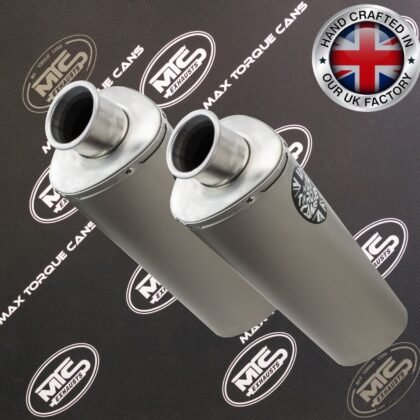
Tri Oval – working from 110mm Ø is sized 98mm wide and 122mm High and can come in sizes from 250mm to 450mm Long. (This is our Premium shaped design. (Designed back in 2002′ our company was the first in the UK to produce this exclusive shape, have a look around and see how many UK companies have copied us!!). |
Extra Info
Our Exhausts are manufactured to give maximum power without the need to alter the fueling but, if you have an aftermarket air filter and/or a de-cat, then having the bikes fueling looked at will always compliment the engine’s performance and efficiency.
To Make sure that you are shopping for the correct Model exhaust here is some information about this model.
The Yamaha FJR1300A and FJR1300AE/AS are sport touring motorcycles made by Yamaha Motor Company. Both models have a 1,298 cc inline-four engine. The AE/AS model has an electronically controlled clutch and gear shifting system called YCC-S. The clutch and transmissions of the AE/AS models are identical to that of the standard FJR model.
History
The FJR1300 was introduced to Europe in 2001, before arriving in North America in 2002, with the 2003 model year designation, and offered in a non-ABS version only. The 2003 model garnered several awards in the Sport Touring category from various magazines.
The 2004 North American models included both a non-ABS version with traditional blue anodized brake calipers and a new ABS version with silver calipers. Other refinements included an upgrade to the suspension rates, 320 mm front brake discs (was 298 mm), and a fairing pocket for small items.
2005, the North American model year remained structurally unchanged with a non-ABS and ABS model.
In 2006, the U.S. and rest of the world model years synchronized with the introduction of what has become known as the ‘Gen-II’ version of the machine. The design changes included significant trailing arm changes, revised final drive ratio, a curved radiator exhibiting a larger surface area, instrumentation changes, an upgraded alternator and significant attention to airflow changes to deal with reported heat issues in previous years. Yamaha added adjustable vents to the FJR1300, allowing the rider to direct air closer to or away from the body. Starting with the 2006 models Anti-Lock Brakes (ABS) and a linked braking scheme Yamaha calls ‘Unified Braking System’ (UBS) became standard.
Also, the FJR1300AS model (FJR1300AE in the U.S.A. and Canada) was introduced which had an automated manual transmission. The AE variant was discontinued for 2010, although the AS model continued to be sold in markets outside of the USA and Canada.
For 2007, some very minor changes were made to the ECU to deal with potential issues related to altitude changes under certain circumstances. In 2008 changes were made to throttle ‘feel’, to improve low speed on/off throttle transitions. As well as Yamaha changed suppliers for the ABS system. Further refinements in the throttle control were introduced with the 2009 model.
For 2012 the previously optional heated handgrips became standard.
For 2013 the FJR1300 received a substantial number of updates, becoming the ‘Gen-III’ version. Bodywork is all new on the front half of the bike for better airflow and engine heat management, and a new faster-acting windshield mechanism was introduced. Front turn signal/position lights are now LEDs and there are LED accent lights around the headlights, and there is now one horn instead of two on prior years. In markets outside the US and Canada, the AS (AutoShift) model received an electrically adjustable suspension and inverted front forks – those suspension changes were introduced into the North American models in the following year as a model option known as the ‘ES’.
The dash is also revised and now includes three user-customizable informational pages that allow the rider to select what information is displayed on each page, from the following list: Odometer, Trip 1, Trip 2, Coolant Temperature, Air Temperature, Range (to empty), Average MPG, Current MPG, Timer 1. There are two other timers and two other distance meters for tracking maintenance intervals which can be reset but not displayed on the information pages.
Mechanically, the engine now has plated-on (rather than pressed in) cylinder linings for better heat dissipation. The ECU is new and now employs Yamaha Chip Controlled Throttle (YCCT) system, which is a ride-by-wire system. The implementation on the FJR1300 includes ‘D-Mode’, which incorporates two driving modes, ‘Sport’ and ‘Touring’, the primary difference being smoothness of throttle response. In addition to that, the new ECU incorporates as standard has an integrated Traction Control System (TCS) which can be disabled and Cruise Control. Cruise Control is limited to 80 mph in 2013 (raised in 2014 to 100 mph).
In addition to new controls for D-Mode and cruise control, several controls are different. There’s a new rocker on the left-hand grip that controls the heated grips and which page is displayed on the information panel; which function the rocker provides is controlled by a trigger switch near the left forefinger. The stop/run rocker is now stop/run/start with the last position being momentary; the hazard flasher button is where the starter button was previously located. A similar rocker switch for headlight control provides high/low/flash controls.
In 2014 the FJR1300 split off into two models: the FJR1300A and the FJR1300ES. The FJR1300ES adds inverted forks and electronically adjustable suspension over the FJR1300A. Both models include an update in which the cruise control programming was changed to raise the maximum set-speed from 83MPH to 100MPH.
The suspension on the ES model can be adjusted via a menu system built into the gauge cluster. The front forks have adjustable damping, with three main settings (Soft, Standard, Hard) and seven adjustments (-3, -2, -1, 0, 1, 2, 3) within each level for fine-tuning. The rear shock has electronically adjustable preload, with four settings (Solo, Solo with luggage, Two riders, Two riders with luggage). While the damping can be adjusted on the fly, the preload can only be changed while stopped.
In December 2015 Yamaha revised FJR for 2016 giving the machine a 6-speed transmission (both in standard and auto-shift versions), slipper/assist clutch, LED headlights and taillights and a revised instrument cluster data layout. On the auto-shift and Electronically adjustable suspension versions progressive LED cornering lights were added as well.
Current sub-models outside the U.S. and Canada are the A (standard), AE (with electronic suspension and cornering LEDS), and AS (which has the features of the AE and also includes the YCC-S system replacing the gear shift actuator and clutch).
Tech God 02:02, 21 January 2020 (UTC)
Design
Engine
The FJR1300 has a 1,298 cc (79.2 cu in) transverse-mounted inline-four engine with four valves per cylinder.
Transmission
The FJR1300 uses a five-speed manual gearbox (six-speed from 2016 model onwards) with wide ratio gears. The final drive is via a shaft, encased within the swingarm, which has mono-shock suspension with remote quick-set two-position adjustable pre-load.
The FJR1300AE/AS model has an electrically actuated gearshift and an EFM auto-clutch, the entirety of the system Yamaha calls YCC-S. There is no clutch lever on this model. Instead, the YCC-S system allows the rider to shift using a set of manually operated push buttons on the left handlebar or via the standard gear shift foot-operated lever. The clutch is controlled by engine power, the computer momentarily reduces the fuel feed, and the solenoid affects the gear change allowing gear shifts to complete in approximately 0.2 seconds. The gearbox pattern is also unconventional in that neutral is at the bottom end of the range, otherwise, the gearbox is identical to the A model. The ECU automatically controls the electronic clutch and ignition timing to ensure smooth gear shifting and will actuate the clutch at standstill. Stalling the engine is not normally possible.
The 2016 model, introduced in December 2015, has a 6-speed transmission and the traditional shift models are equipped with a slipper clutch. Of note is that the new clutch can be retro-fitted to prior models of the FJR1300 if owners are so inclined
Chassis
The frame of the FJR1300 is a twin-spar design manufactured from aluminum alloy; the engine is a fully stressed member.
Electrical system
The FJR1300 has a standard 12 volt, negative ground electrical system. The 2006 and later models have a fused, switched cigarette-lighter style accessory jack in the left central locking glovebox. The 2003 U.S. model does not have a glovebox or electrical outlet; while model years 2004 and 2005 have glove boxes, they do not include the electrical outlet. As well, 2006 and later models have larger alternators and so can support more electrical accessories than their predecessors.
Other
The FJR1300 has an electrically adjusted windshield controlled by a rocker switch on the handlebars. In Gen, I and Gen II models, by default the shield returns to its lowest position when the key is off, however some riders choose to disable the ‘return’ function. In the Gen III model, the windshield maintains its position until changed with the rocker switch, even when the ignition is turned off.
A number of changes were made beginning with the 2006 model year, including adding a rider-adjustable airflow system.
All Gen-II AE/AS models (and some A models, depending on year and market) have standard integrated heated handlebar grips with speed-sensitive adjustment (available as an aftermarket OEM kit for models not so equipped by the factory). The handlebars are position adjustable, with 3 settings, and the seat is adjustable to high or low, with about an inch between the two.
Locking side panniers are supplied as standard in most markets and some markets include cloth ‘liners’ which can be used as a carry-all for the contents of the cases. Each case will take a full-face helmet. Factory options include foot protectors, handguards, fairing protectors, a larger windscreen, and a color-coordinated top box to name but a few.
Many riders equip their bikes with a servo-operated cruise control system. There are several providers supplying the market. 2013 and later models have cruise control standard.
Police models
In 2008 in Ireland it replaced the Honda ST1100 Pan-European and the BMW R1150RT in the Traffic Corps of Ireland’s National Police Force ‘An Garda Síochána’ and stayed in service until 2016 when it was itself replaced by the BMW R1200RT. In the UK, the FJR1300 has replaced the Honda ST1300 Pan-European as the patrol motorcycle with several police forces, following that model’s withdrawal due to concerns over high-speed handling. The FJR is the patrol vehicle used by the police force of Trinidad and Tobago including the units in the convoy of the President and the Prime Minister. It is also used as the standard patrol motorcycle of the Royal Netherlands Marechaussee. The Danish, French and Australian Federal Police, the Lithuanian Police and the Spanish Guardia Civil also use the FJR1300. Vietnamese Police only use for special events like Xi Jinping visit or Trump – Kim summit
Manufacturer Yamaha
Production since 2001
Predecessor FJ1200
Class Sport Touring
Engine 1,298 cc (79.2 cu in) transverse inline-4, liquid-cooled, DOHC,
four valves per cylinder,
electronic fuel injection
Bore / stroke 79.0 mm × 66.2 mm (3.11 in × 2.61 in)
Compression ratio 10.8:1
Power 105.5 kW (141.5 hp) @ 8,000 rpm
Torque 134.4 N⋅m (99.1 lbf⋅ft) @ 7,000 rpm
Transmission 5-speed manual (6-speed from 2016),
Shaft drive
AE/AS: Electronic clutch
Suspension Front: 48 mm telescopic fork,
137 mm wheel travel
Rear: Single shock, link type,
122 mm wheel travel
Brakes Front: Dual 320 mm disc
four-piston calipers
Rear: Single 283 mm disc
two-piston caliper
ABS standard (optional before 2006)
Tires Front: 120/70ZR17
Rear: 180/55ZR17
Wheelbase 1,545 mm (60.8 in)
Dimensions L: 2,230 mm (88 in)
W: 750 mm (30 in)
H: 1,450 mm (57 in)
Seat height 805 mm (31.7 in)
Weight 264 kg (582 lb)
AE/AS: 269 kg (593 lb) (dry)
291 kg (642 lb)
AE/AS: 295 kg (650 lb) (wet)
Fuel capacity 25 L (5.5 imp gal; 6.6 US gal)
3D View
Please click on the exhaust below to see the 3D model
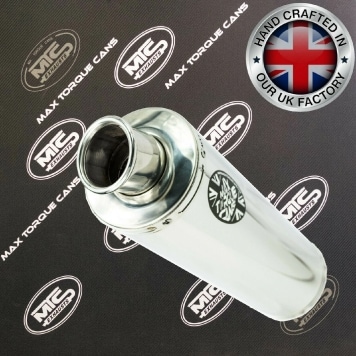
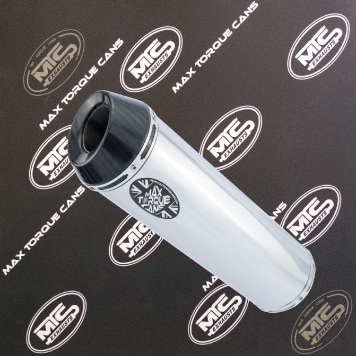

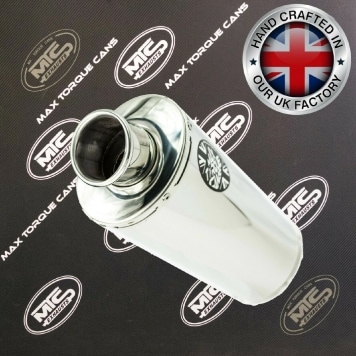
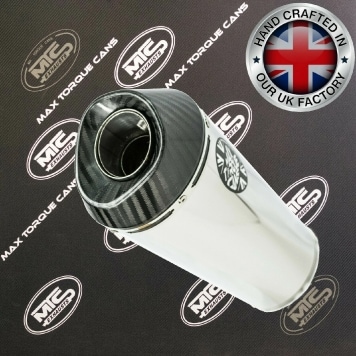



Gallery
[ngg src=”galleries” ids=”214″ display=”basic_thumbnail” thumbnail_crop=”0″]
Fitting Guide
 Loading...

 Reload document
  Open in new tab
 Road Legal / Race
All our Road Legal exhausts come with a Road Legal Baffle / Decibel Killer + BSAU ( British Road-Legal ) markings.
All our RACE exhausts do not come with a Road Legal Baffle / Decibel Killer + do not have any BSAU ( British Road-Legal ) markings. and are marked NOT FOR ROAD USE
2024 Road legal exhaust statement:
At Max Torque Cans we prioritise safety and compliance in the world of motorcycle exhausts. Our commitment to adhering to regulations is evident in our product design and labelling, and hence with new updates from ACEM, DVSA and DfT, we are ensuring our exhaust systems are compliant with new and upcoming legislation and regulations. Specifically, two changes detailed below:
Road Legal Exhausts: Our road legal exhausts will have the BSAU stamped markings and be crafted with non-removable baffles, aligning seamlessly with the standards set by ACEM (European Association of Motorcycle Manufacturers). These baffles are an integral part of our design to ensure that your motorcycle exhaust complies with road regulations, providing you with a legal and enjoyable riding experience.
Race Exhausts and Silencers: For those seeking an exhilarating experience on the track, our race exhausts are engineered to deliver optimal performance. Clearly marked with type approval markings “Not for Road Use” etched into the side, these exhausts are specifically designed for racing applications. This distinction is in line with DVSA policy, ensuring that our race exhausts are suitable for track use, meeting the highest performance standards without compromising on safety.
Fitting Guides
Related products
-
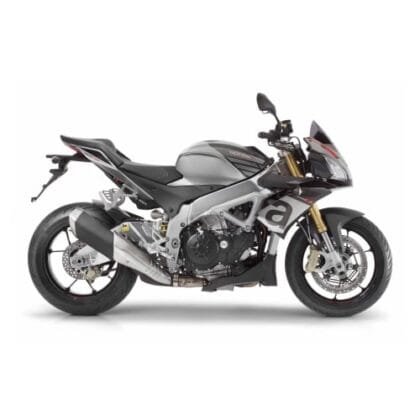 Aprilia
APRILIA TUONO V4R 2011-2014
Price range: £161.00 through £381.00 This product has multiple variants. The options may be chosen on the product page -
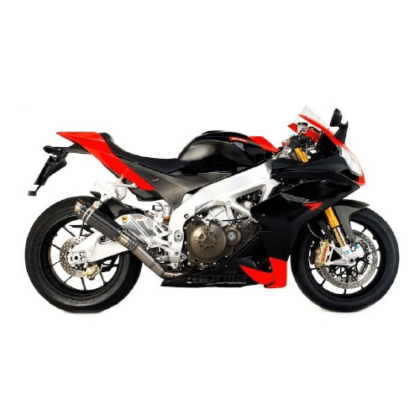 Aprilia
APRILIA RSV4 2009-2014
Price range: £161.00 through £424.00 This product has multiple variants. The options may be chosen on the product page -
 BMW
BMWBMW K1600 GT – GTL 2011-2024
Price range: £302.00 through £763.00 This product has multiple variants. The options may be chosen on the product page -
 BMW
BMWBMW F800ST 2006-2013
Price range: £160.00 through £382.00 This product has multiple variants. The options may be chosen on the product page -
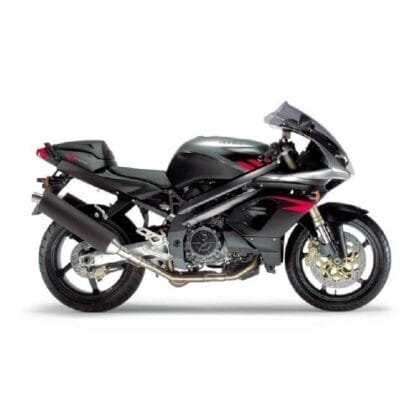 Aprilia
APRILIA SL1000 FALCO 1999-2005
Price range: £275.00 through £703.00 This product has multiple variants. The options may be chosen on the product page